Andres Chavez
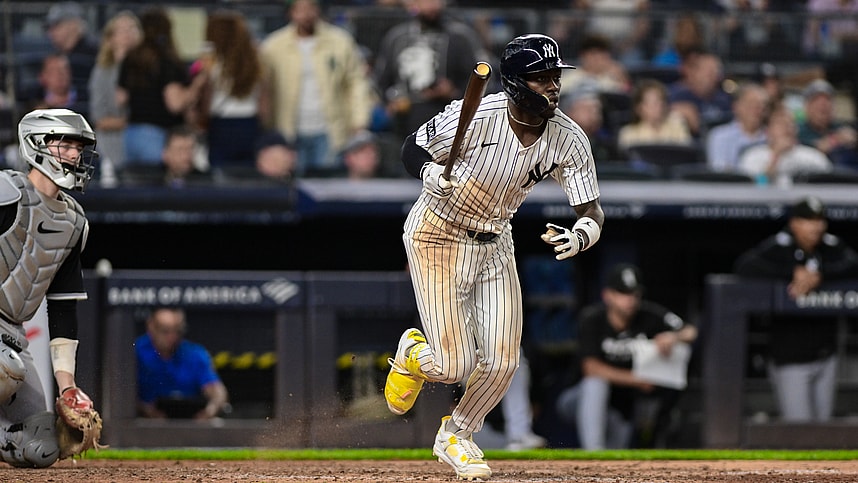
The New York Yankees are fighting for their postseason lives, and emotions are running just as high as the stakes. That was evident on Tuesday night when Jazz Chisholm Jr., one of the team’s most electric players, found himself on the bench in the opener against the Boston Red Sox.
The decision to sit him against left-hander Garrett Crochet left the fiery second baseman visibly frustrated, turning what should have been just another tactical move into a flashpoint moment for both player and club.
A Player Who Wears His Heart on His Sleeve
Chisholm has never been the type to hide his emotions, and Tuesday night was no exception. After finally entering the game late as a defensive replacement, he flied out against another lefty, Aroldis Chapman, before showing his displeasure in the clubhouse. When approached by reporters, Chisholm initially turned his back before finally offering a short response: “It’s a little conversation after it. Not much. Just move forward after it.”
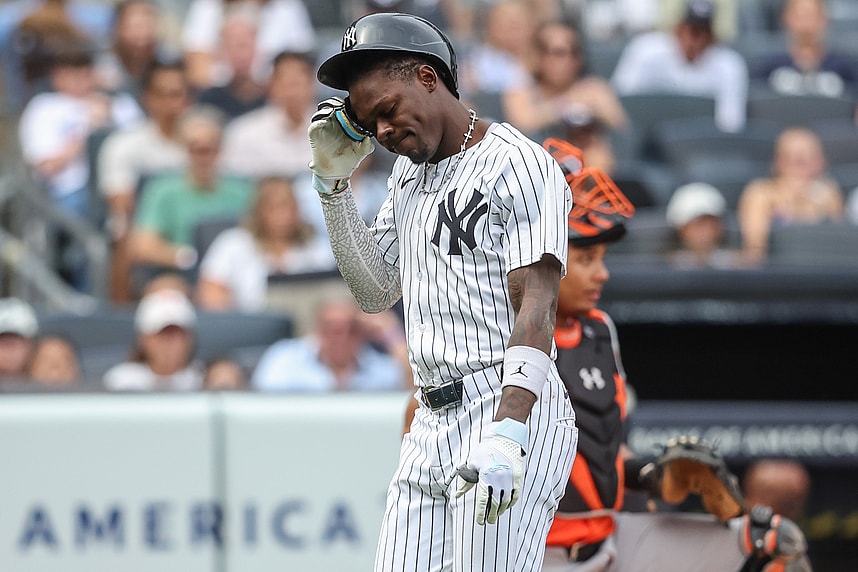
For some players, being benched is just another strategic wrinkle in the marathon of a season. But for Chisholm, whose game is fueled by flair and intensity, sitting on the sidelines cuts deeper. His frustration underscored not only his competitive fire but also how much he sees himself as central to the Yankees’ fight in October.
Boone Refers to the Issue
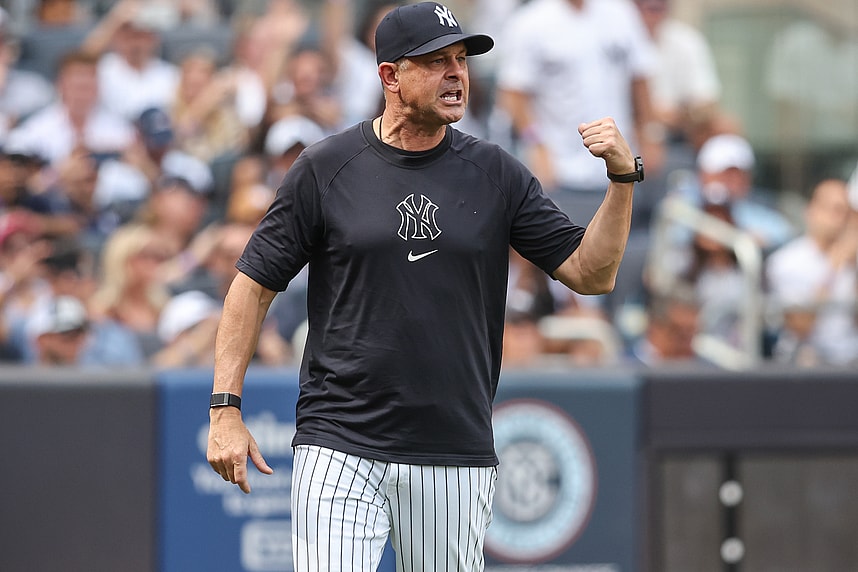
Manager Aaron Boone, for his part, didn’t appear rattled by the outburst. Speaking the next day, Boone admitted the decision wasn’t popular with Chisholm but emphasized the need for focus over feelings.
“Not every guy’s gonna love every decision that I have to make, and that’s OK,” Boone said. “He’s a guy that’s not the most vanilla guy. He’s going to wear his emotions on his sleeve sometimes. So not the way I would go about it, but I don’t need him to put a happy face on it right now. I need him to go play his tail off.”
Boone’s comments painted a picture of a manager who values Chisholm’s energy, even if it occasionally boils over. And in truth, Boone had his reasons: Crochet is no ordinary southpaw. The White Sox lefty has suffocated hitters on both sides of the plate, holding left-handers to a microscopic .166 batting average this season. Playing the more contact-oriented Amed Rosario, who hits lefties well, was a calculated gamble, not a slight.
The Numbers Behind the Decision
Chisholm’s overall splits suggest he is no liability against lefties—his 106 wRC+ this year shows he can still produce. Against right-handers, however, he’s a far bigger weapon, sporting a 134 wRC+. That gap, combined with Crochet’s dominance, gave Boone plenty of justification to make the call, even if it bruised egos in the process.
Still, the Yankees know that keeping a player like Chisholm engaged is just as critical as any statistical edge. Baseball often demands patience, but October is a sprint, not a marathon. Leaving your emotional sparkplug simmering on the bench too long can backfire, like leaving a match near dry tinder.
A Chance for Redemption
On Wednesday, Boone wasted no time reinserting Chisholm into the starting lineup. Slotted sixth and back at his natural position at second base, Chisholm now has the opportunity to channel Tuesday’s frustration into production. For the Yankees, who trail in the series and face elimination scenarios, the hope is that Chisholm’s competitive fire becomes fuel rather than friction.
The Yankees don’t just need Chisholm in the lineup—they need him at his best. His speed, power, and defensive range can change a game in a heartbeat. If he channels his energy in the right direction, he could be the X-factor against Boston. Like a boxer knocked down in an early round, Chisholm now has the chance to bounce back and show that the fight is far from over.
And for the Yankees, fighting the Red Sox with their season on the line, there’s no better time for Jazz Chisholm Jr. to turn frustration into fire.

More about:New York Yankees