Andres Chavez
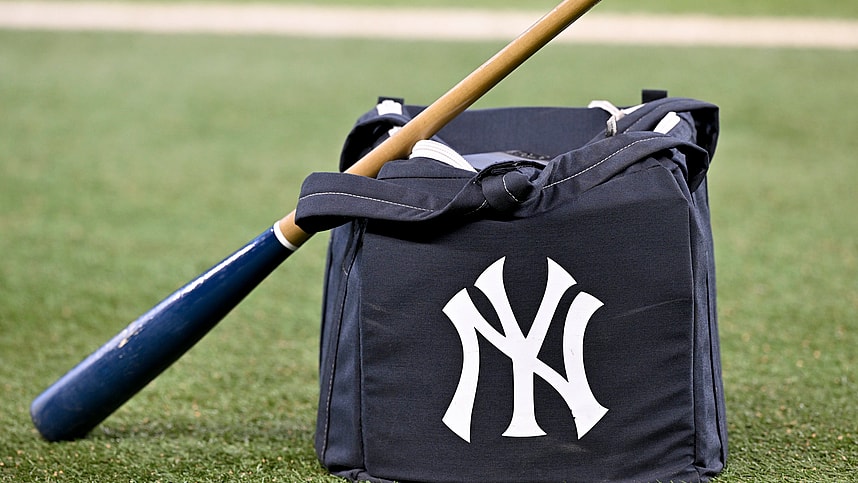
The New York Yankees’ season ended not with a roar, but with the quiet sting of missed opportunity. Their 3-1 series loss to the Toronto Blue Jays in the American League Division Series capped a turbulent year that mixed flashes of brilliance with frustrating inconsistency. For a team that won 94 regular-season games and finally conquered the Boston Red Sox in October, the fall felt abrupt — like a symphony that built beautifully before cutting off mid-note.
There was no lack of fight in this Yankees team, but when it mattered most, execution failed them. Toronto, deeper and more composed, exposed every small crack that had lingered beneath New York’s surface all year.
Boone’s Postseason Decisions Under the Microscope
Manager Aaron Boone faced the music after Wednesday’s loss, speaking candidly about what separated his Yankees from the Blue Jays.
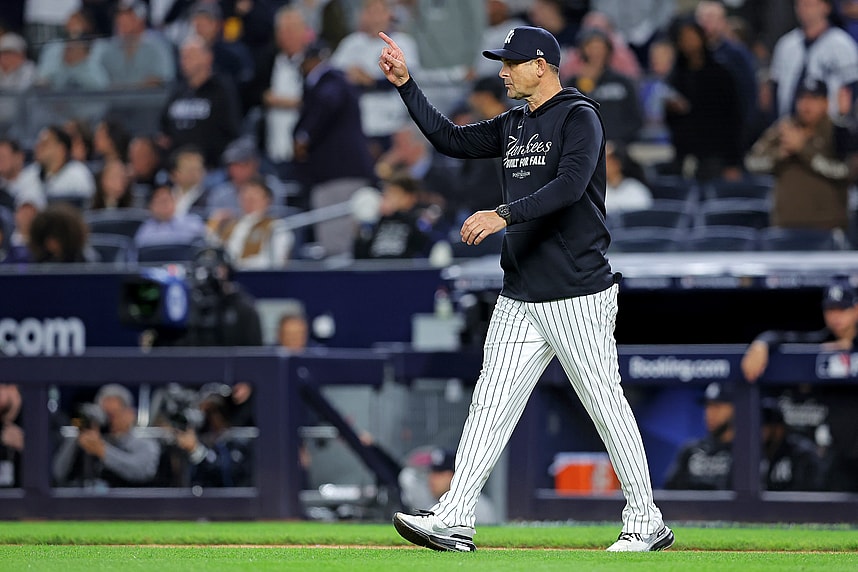
Boone’s postseason résumé remains a mixed bag. He handled the bullpen with commendable precision, coaxing strong performances from a group that was a question mark for much of the season. But in-game adjustments — or the lack thereof — told a different story. His reluctance to deploy pinch-hitters or pinch-runners in key moments drew sharp criticism. And his decision to stick with rookie shortstop Anthony Volpe, despite a viable alternative in José Caballero, loomed large in the Yankees’ offensive struggles.
Those decisions didn’t define Boone’s entire postseason, but they served as reminders that small managerial moments often decide October games.
A Divisive Figure in the Bronx
Boone’s standing among Yankees fans remains polarizing. To some, he’s a steady hand guiding a high-pressure franchise with poise and emotional intelligence. To others, he’s the embodiment of modern managerial conservatism — too cautious, too trusting of “the process,” not instinctive enough when chaos hits.
Even so, Boone isn’t going anywhere. Asked whether he has any reason to think he won’t be back next year as manager, his answer was succinct: “No, I’m under contract.”
The Yankees ensured that long before this postseason disappointment. They extended Boone’s deal through the 2027 season back in February, after exercising his 2025 club option late last year. In other words, barring a seismic front-office shift, Boone will remain in pinstripes for at least two more years — 2026 and 2027.
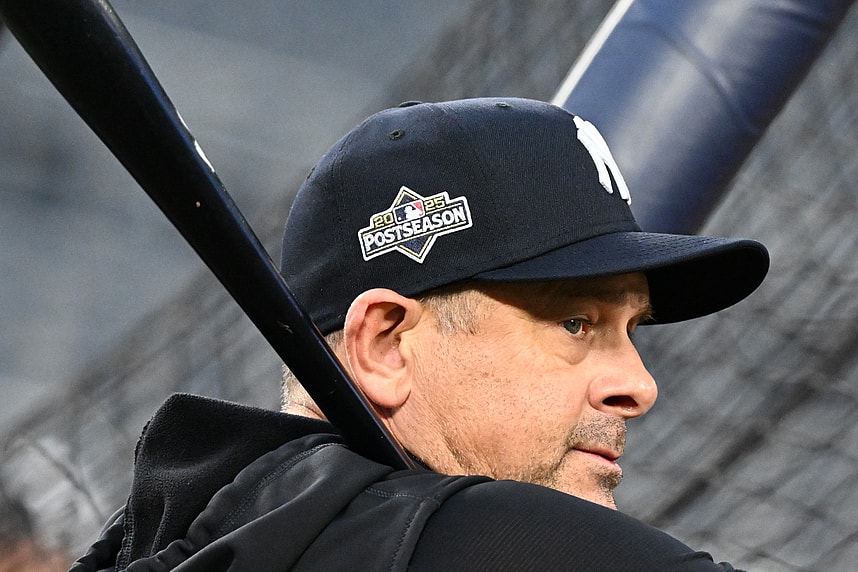
That commitment speaks to the organization’s belief in Boone’s leadership. His ability to connect with players, manage personalities, and keep a clubhouse unified through chaos is no small feat. The players respect him, and in a market as intense as New York, that matters.
The Road Ahead
Still, respect doesn’t erase results. Boone has proven he can steer a good team, but great ones demand more than steadiness — they demand adaptability. The Yankees’ front office knows this, and Boone surely does, too.
If New York is going to reclaim its identity as baseball’s standard-bearer, Boone will need to evolve. His strategic instincts must catch up with his people skills, and his trust in players must be balanced with accountability.
For now, the Yankees’ 2025 season ends where too many recent ones have: with promise unmet and hard questions unanswered. Boone remains at the center of it all — the calm captain of a ship that sails smoothly through calm seas but struggles in the storm.
And unless something changes, those October waves will keep crashing in the Bronx.

More about:New York Yankees