
 Alexander Wilson
The New York Yankees entered 2025 with an infield picture that already raised eyebrows before a single pitch was thrown.
Instead of reinforcing third base, the front office leaned on Oswaldo Cabrera and Oswald Peraza to shoulder the responsibility.
Missed opportunities and tough choices
That gamble backfired quickly. Cabrera fractured his ankle, missing most of the season, and was later dealt to the Los Angeles Angels.
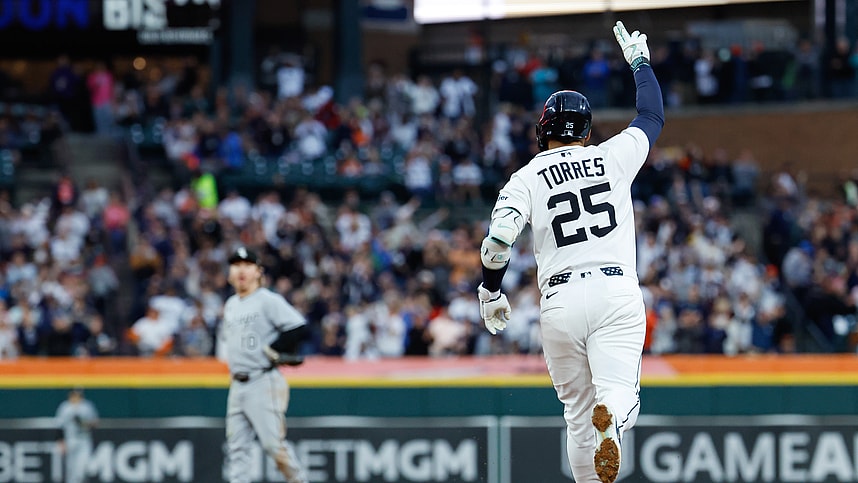
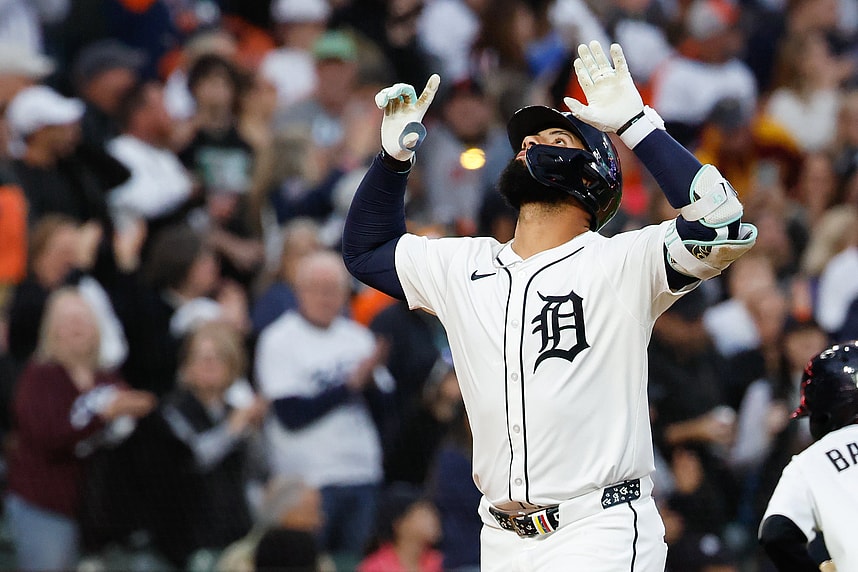
Meanwhile, Gleyber Torres signed with the Detroit Tigers for one year and $15 million, a figure surprisingly reasonable for his production.
What made the situation more baffling was the Yankees’ long-standing desire to move on from Torres despite his offensive consistency.
Brian Cashman had dangled Torres in trade talks for years, seemingly eager to cut ties regardless of his flashes of value.
Now, Torres is hitting .261/.363/.400 with 15 home runs and 66 RBIs, thriving in Detroit on a team-friendly contract.
Defensive strides in Detroit
Perhaps most surprising has been Torres’ improved defense, an area of constant frustration during his Yankees tenure.
In 998.2 innings this season, he’s committed just five errors while posting a .989 fielding percentage, a dramatic improvement from 2024.
Although advanced metrics still paint him as below average defensively, his reliability has been steadier than the Yankees expected.
It raises the question: did New York miscalculate his defensive ceiling, or was a change of scenery all Torres really needed?
Jazz Chisholm changes the narrative
The Yankees’ counter-move, though, softens the regret. Jazz Chisholm has provided a spark on both sides of the ball.
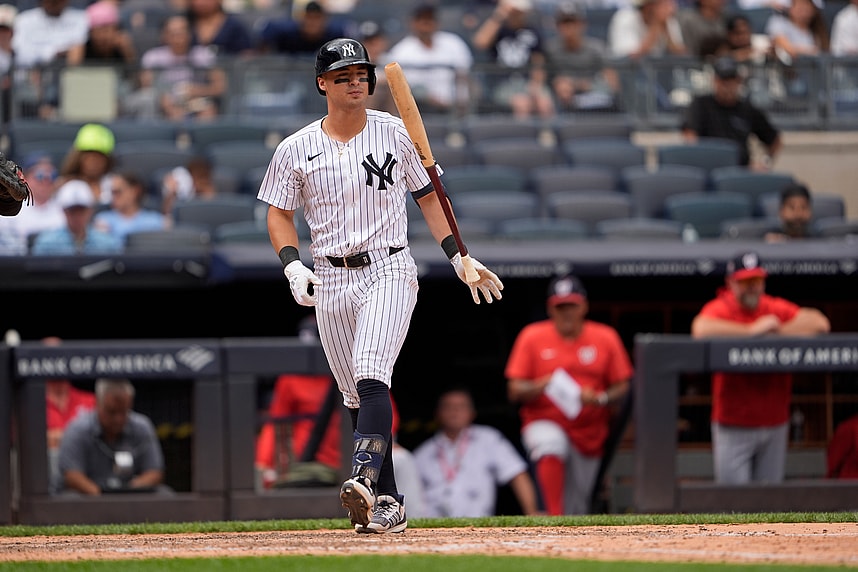
Chisholm’s athleticism and flair have energized the infield, with his defense at second base standing out as a major upgrade.
Offensively, his balance of power and patience has been invaluable, proving the front office wasn’t entirely wrong in moving on.
This decision mirrors a chess move — sacrificing a reliable piece to free space for one with higher impact potential.
The Volpe factor
Anthony Volpe’s regression at shortstop complicates the broader infield picture, and it’s where the Yankees truly feel exposed.
Volpe has struggled both at the plate and in the field, creating cracks that Torres’ return might not have fully patched.
Even with Torres back, Volpe’s decline would have forced the Yankees into awkward defensive alignments and uneven production.
In this light, New York’s decision to focus on Chisholm instead of clinging to Torres appears more rational than rash.
Looking ahead
Torres may earn himself a lucrative long-term contract after his bounce-back season in Detroit, validating his individual talent.
But for the Yankees, the move wasn’t about dollars or nostalgia; it was about shifting their roster identity forward.
- The Yankees have a new dynamic pitching duo forming
- NY Yankees: Cam Schlittler’s three-fastball foundation is overwhelming opposing hitters
- NY Yankees have one of the best hitters in all of baseball in Ben Rice
Jazz Chisholm represents that evolution — a dynamic player whose energy and versatility fit the team’s present and future.
Letting Torres walk wasn’t a mistake; it was simply the cost of transition, one the Yankees seem comfortable paying.

More about:New York Yankees
