
 Andres Chavez
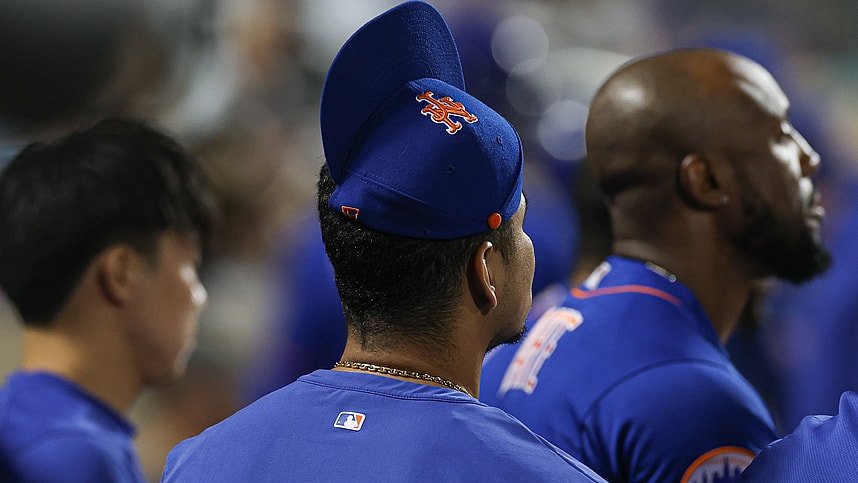
The New York Mets like Tatsuya Imai, who is still meeting interested teams these days, but aren’t seen as favorites to land him. Pitching reinforcements are a must, but assistant general manager Eduardo Brizuela believes the outfield is more of a priority. Let’s dive into the Mets’ most recent news!
Where do the Mets currently stand on Tatsuya Imai, days before the end of his posting window
The Mets’ roster may look deep on paper, but it still lacks the one thing that can stabilize everything else: a true frontline starter. While New York has assembled a collection of capable arms—ranging from established contributors like Kodai Senga and Sean Manaea to promising young pitchers—the absence of a clear ace continues to loom large. Last season underscored how quickly depth can unravel without someone at the top who can halt losing streaks and absorb pressure when the rotation starts to wobble.
That reality explains the Mets’ interest in Japanese star Tatsuya Imai, a 27-year-old in his prime who has already proven he can dominate over a full workload. Imai’s performance in Japan was not just impressive statistically; evaluators are drawn to his aggressive approach, competitive edge, and ability to challenge hitters. Those traits align neatly with David Stearns’ emphasis on makeup and reliability.
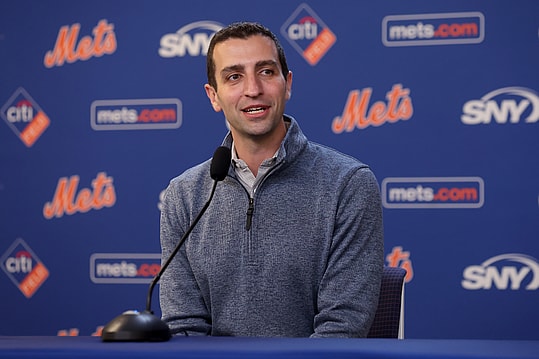
Still, interest does not equal urgency. Reports suggest the Mets are monitoring Imai rather than aggressively pursuing him, prioritizing financial flexibility and trusting their internal pitching pipeline. While that patience may be defensible, it also leaves New York flirting with a familiar risk: entering another season without a true ace and hoping depth alone is enough. Whether that restraint proves savvy or costly will only be answered later.
Mets assistant GM reveals the team’s priority during the offseason
The Mets’ 2025 season didn’t end with a dramatic collapse—it simply fizzled out, and that quiet disappointment set the stage for a sweeping organizational reset. David Stearns responded not with panic, but with conviction, reshaping the roster to better match his long-term philosophy. Familiar faces were moved out, signaling a clear shift away from aging cores and emotional attachments toward flexibility, defense, and controllable talent.
The incoming group reflects that vision. Instead of chasing star power, the Mets focused on players who bring versatility, balance, and reliability across the roster. It’s a less glamorous approach than past offseasons, but one designed to create cohesion rather than headlines. Still, the transformation is incomplete, and the front office has been clear about that.
The outfield now sits at the center of the Mets’ remaining work, per assistant GM Eduardo Brizuela. With stability and athleticism lost in recent departures, the current alignment does not match a contender’s standard. Options like Cody Bellinger or a trade for Luis Robert Jr. could quickly change that, while the rotation, bullpen depth, and first base remain areas to monitor. The direction is set; the challenge now is finishing the job with the same decisiveness that defined the early stages of this reset.
Why a Mets trade for Mason Miller would be absolute insanity
Despite losing Edwin Diaz, the Mets have already made a statement this winter by transforming their bullpen from a liability into a strength, adding elite arms to lock down late innings. That focus on high-leverage reliability reflects Stearns’ belief that postseason-caliber teams must shorten games and eliminate chaos at the back end. But even after those moves, whispers suggest the Mets could dream bigger—much bigger.
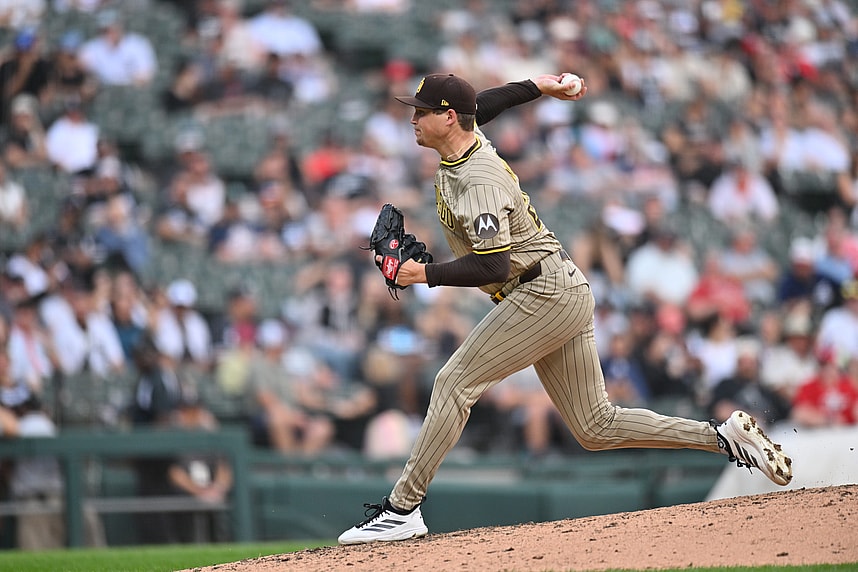
Enter Mason Miller, arguably the most overpowering reliever in baseball. His combination of velocity, swing-and-miss stuff, and postseason-ready composure makes him a unicorn at his position. Pairing him with the Mets’ newly fortified bullpen would create a relief corps unlike anything the sport has seen, capable of overwhelming opponents night after night.
The problem, of course, is cost. Miller is under long-term team control, and acquiring him would require a trade package so steep it could cripple the Mets’ farm system. Relievers are notoriously volatile, even elite ones, and sacrificing premium prospects for bullpen perfection carries enormous risk. While the idea is tantalizing, it remains far more fantasy than plan—unless Stearns decides that building the most dominant bullpen in baseball history is worth betting the future on.

More about:New York Mets
