
 Andres Chavez
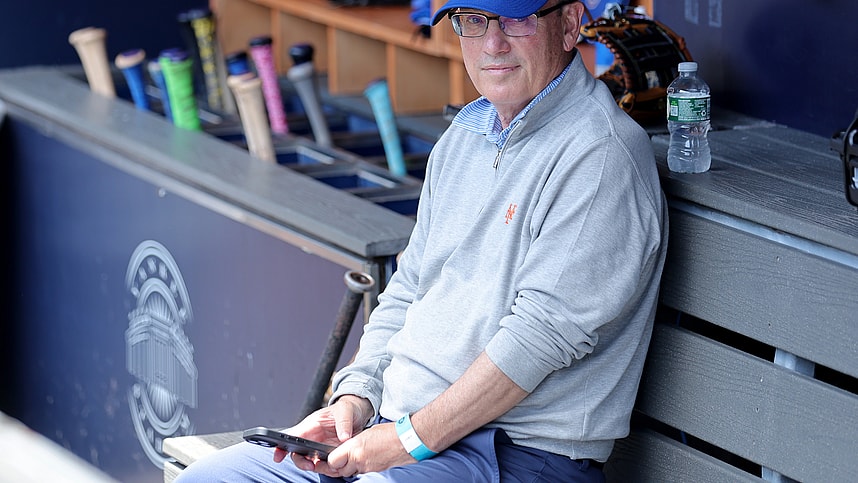
New York Mets owner Steven Cohen discussed the payroll on Friday and implied that they are not going to cut payroll. Meanwhile, the sting of losing Pete Alonso is still there. Let’s dive into Friday’s news!
Mets reveal payroll estimate for 2026 campaign
The Mets currently sit around a $295 million payroll, leaving room for additional spending despite losing key players like Brandon Nimmo, Pete Alonso, and Edwin Diaz. They’ve quietly added pieces like Jorge Polanco, Devin Williams, and Luke Weaver to stabilize the roster.
While these moves are smart and aim to prevent collapses, starting pitching and gaps in the lineup—particularly in the outfield and first base—remain pressing concerns. Ownership’s willingness to spend signals the team is still pursuing competitiveness, but pressure is high to fill critical holes.
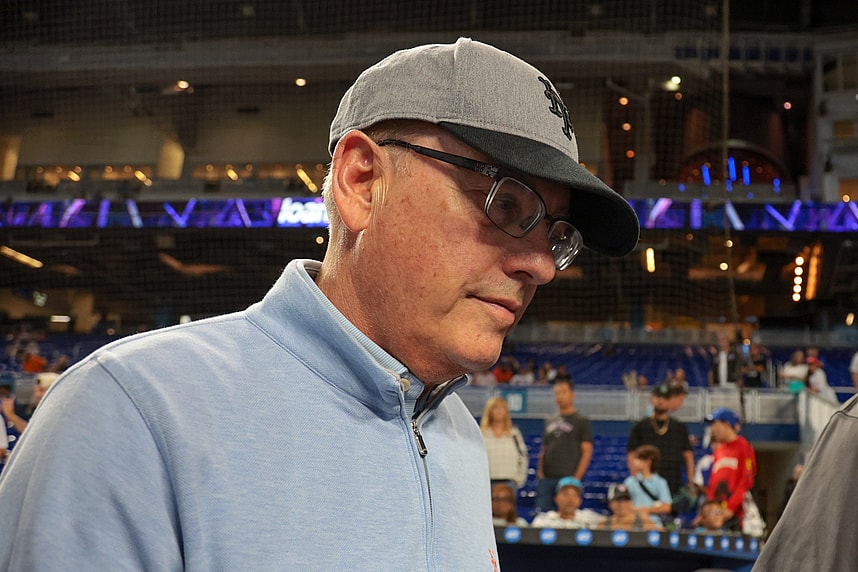
Cohen said that he cannot imagine the payroll dipping below last year’s $322.6 million figure, suggesting the Mets have the money and motivation to add.
Beyond just payroll, the Mets’ offseason strategy emphasizes structural flexibility over marquee signings. With an eye on positional versatility, the team is targeting players who can fill multiple roles and mitigate potential injuries or slumps. The front office understands that merely maintaining spending isn’t enough—they need calculated acquisitions that can deliver both stability and upside for the long term.
The Final Straw: Mets had one last chance to keep Pete Alonso and they squandered it
The Mets chose not to retain Pete Alonso, letting him sign a five-year, $155 million deal with the Orioles. The decision reflects a focus on financial flexibility and analytical models over fan sentiment or Alonso’s offensive impact. Replacements like Jorge Polanco and Mark Vientos offer depth but cannot match Alonso’s production or lineup presence. The move places significant pressure on the front office, as Alonso’s performance in Baltimore will serve as a benchmark for evaluating the Mets’ choice.
The manner of Alonso’s departure—quiet, abrupt, and without a counteroffer—has deepened the sense of unease among fans. It highlights a front office philosophy that prioritizes process and metrics over traditional loyalty or star power. How the Mets’ new lineup performs in 2026, particularly in high-pressure situations, will determine whether this strategy was a savvy long-term decision or a costly misstep.
Mets’ $38 million Clay Holmes gamble could take a major turn in 2026
The Mets converted Clay Holmes from a closer into a starting pitcher, and he logged 165.2 innings with a 12-8 record, providing rotation stability. However, his strikeout rate dropped, and his breaking pitches performed poorly, leaving him reliant on a single sinker and defensive support. For Holmes to fully justify his contract and become a legitimate mid-rotation starter, he must develop a reliable put-away pitch in 2026. While durable, his long-term effectiveness as a starter remains uncertain.
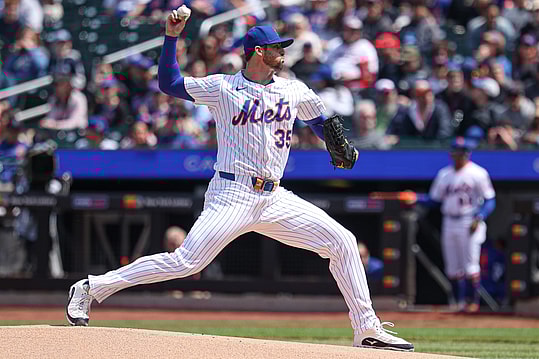
Holmes’ performance also underscores the Mets’ broader pitching challenges. The team’s rotation depth remains a question mark, and relying on one high-volume starter with known weaknesses is a gamble. If Holmes can refine his secondary pitches and maintain his workload, he could be a cornerstone for stability; if not, the Mets may face another offseason scramble to address rotation holes.

More about:New York Mets
