
 Andres Chavez
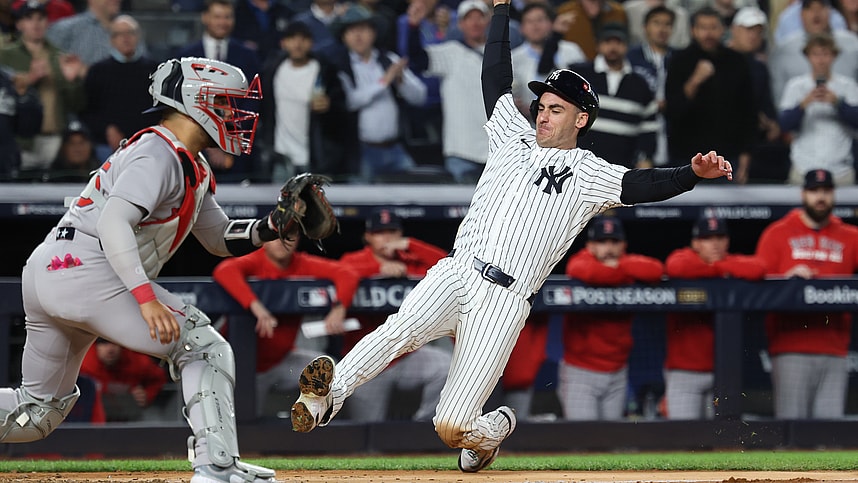
With the Toronto Blue Jays unlikely to heavily pursue Cody Bellinger, it seems like the New York Mets and the Yankees will be the ones pushing for the free agent outfielder, with the latter being considered the favorites. The Mets are also looking at starting pitchers and have been linked to three of them. Let’s dive into the news!
Yankees could be the last team standing between Mets and Cody Bellinger, but division rivals lurk
Cody Bellinger’s market remains very much alive for the Mets, even after their splashy commitment to Bo Bichette. Bichette stabilized the infield and raised the offense’s floor, but he didn’t solve the Mets’ lingering outfield problem—particularly in center field. That’s why Bellinger, coming off a 29-homer season with the Yankees, still fits a very specific need: middle-of-the-order power, defensive flexibility, and lineup balance the roster doesn’t currently have.
The market dynamics are quietly helping the Mets. Toronto appears unlikely to push hard, thinning the field and leaving the Yankees as the primary obstacle. The Bombers hold the advantage with familiarity and a five-year, $160 million offer, but the Mets can counter with shorter-term creativity and higher annual value.
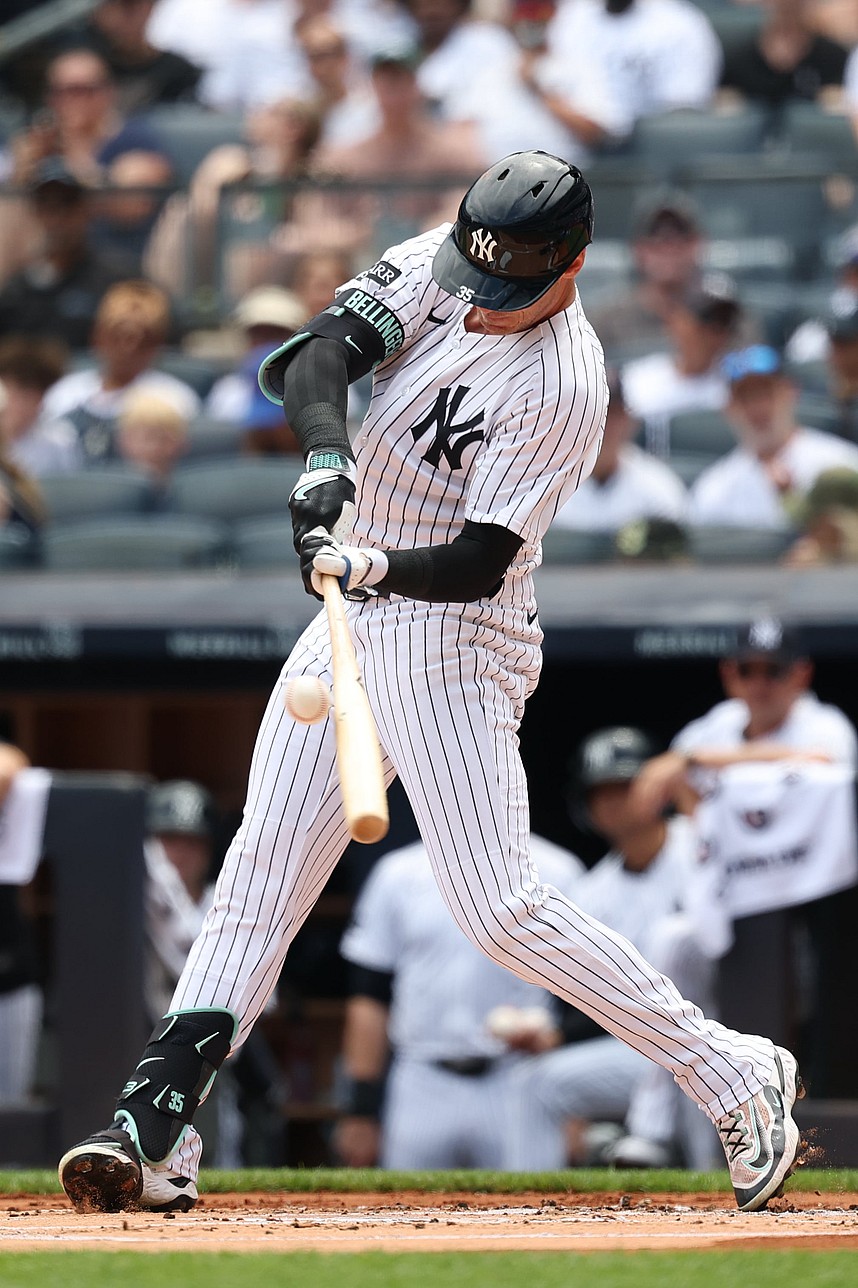
Add the lurking possibility of a Phillies surprise, and the picture remains fluid. The Yankees may lead, but the Mets’ lane—while narrow—still exists. They still have a chance.
Mets are currently linked to 3 different starting pitchers of varying quality
After landing Bichette, the Mets have turned their focus to the rotation, where the market has narrowed to three distinct paths: pay big for Framber Valdez, gamble on Zac Gallen, or trade significant prospects for Freddy Peralta. Each option reflects a different balance between risk, cost, and competitive urgency.
Valdez offers durability and an ideal skill set for the Mets’ upgraded infield, but signing him would cost both major money and draft capital. Gallen represents the opposite end of the spectrum—a once-elite arm coming off a troubling season, still expensive due to draft-pick compensation, and far from a sure thing. Peralta is the most dominant pitcher available, but acquiring him would require sacrificing top prospects for just one year of control. The Mets’ decision will reveal whether they prioritize long-term stability or push their chips in for a win-now rotation upgrade.
Mets: What will happen with Ronny Mauricio after the acquisition of Bo Bichette?
Bichette’s $126 million deal wasn’t about flexibility—it was about commitment. By locking him into third base alongside Francisco Lindor and Marcus Semien, the Mets made a clear choice that reshapes their entire infield and forces tough decisions elsewhere. With first base spoken for and roles clarified, young players like Mark Vientos, Brett Baty, Ronny Mauricio, and Luisangel Acuña are suddenly competing for limited space rather than future opportunity.
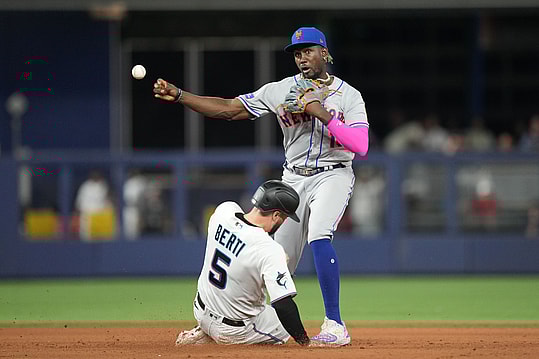
Baty appears to have the cleanest path forward thanks to his production, versatility, and left-handed bat, while Vientos, Mauricio, and Acuña face increasingly difficult math. Mauricio, in particular, may be more valuable as a trade chip given the Mets’ pitching needs and his blocked path to everyday at-bats. The Mets knowingly created this logjam by prioritizing elite talent at the top of the roster. The challenge now is turning surplus into leverage—and proving the Bichette bet was worth the ripple effects.

More about:New York Mets
