Quinton Fesq
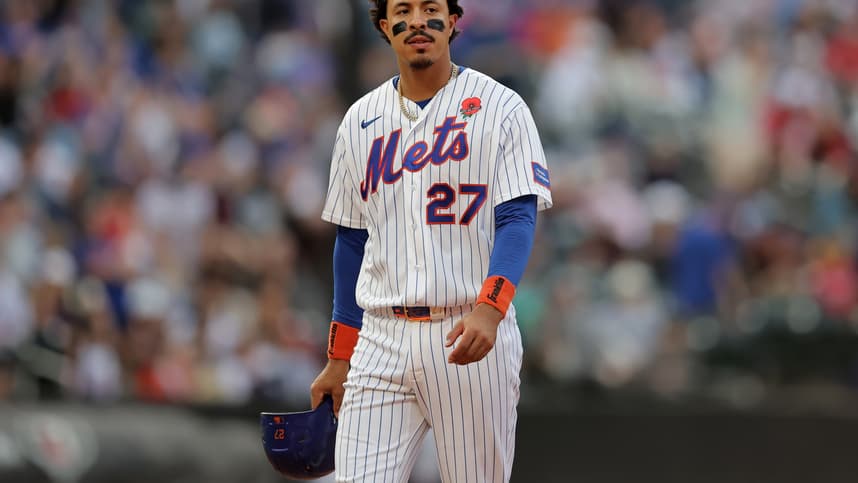
The NY Mets keep trying to talk themselves into a Mark Vientos answer, but last night’s at-bat against Mason Miller made the opposite case. When the game tightened up in San Diego, Vientos did not look like a hitter about to steady the lineup. He looked like a player making it harder to defend the way he is being used right now.
That is the tension with Vientos in a nutshell. The season line is still light at .214/.248/.370 with 7 home runs and 26 RBIs across 202 plate appearances, and the Mets cannot keep pretending those numbers are just waiting to normalize on their own. They already have enough quiet spots in this lineup. They do not need another one in the middle of it.
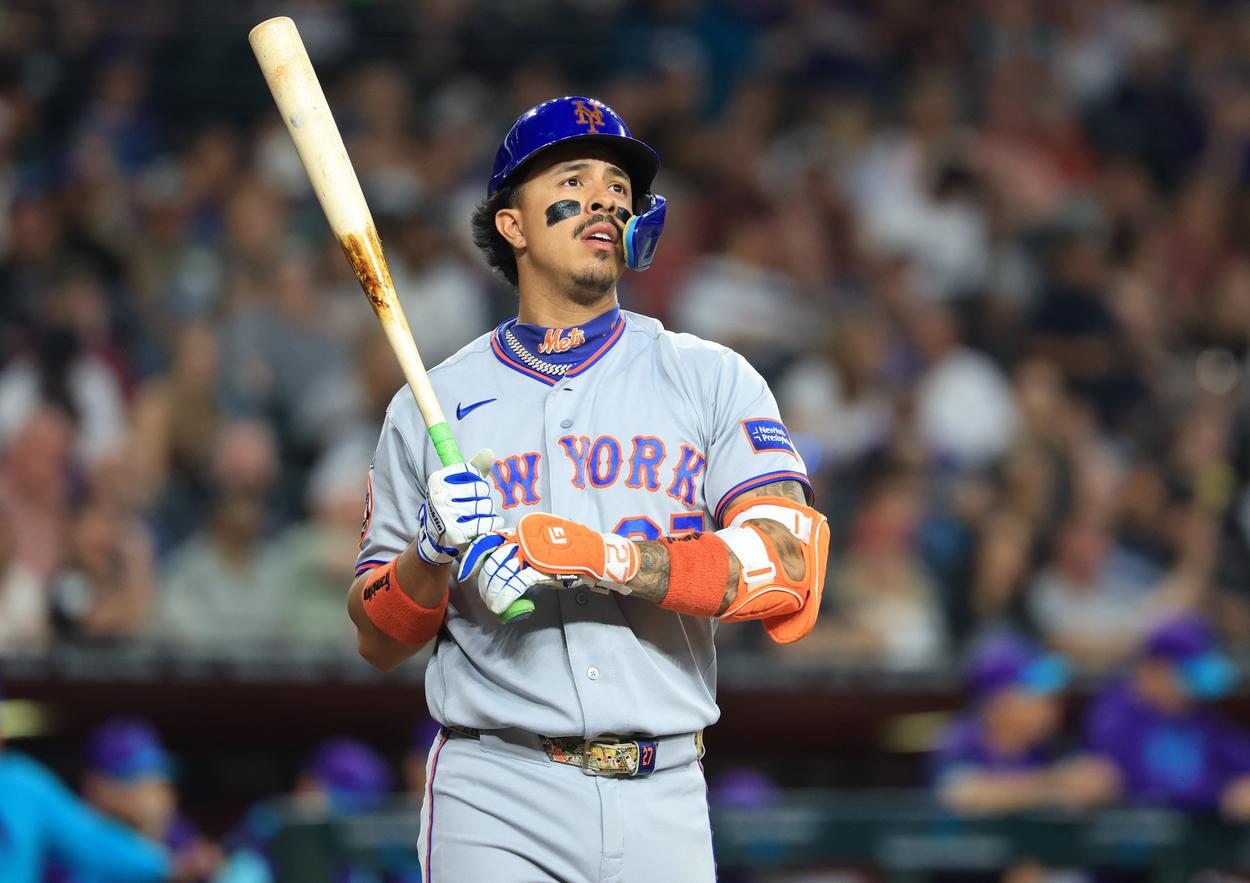
The Miller at-bat said too much
The late-inning matchup was supposed to be the kind of spot that at least gives you a chance to believe in the bat speed. Miller is one of the hardest late-game asks in baseball, and Vientos was not the only hitter who has ever looked bad against him. The point is that this one fit the broader pattern too neatly. He fell behind, Miller stayed aggressive, and the at-bat ended the same way too many of Vientos’ important trips have ended lately.
That is why this one matters more than a normal strikeout. It was not just the result. It was the timing, the leverage, and the fact that it came after another game in which the Mets needed somebody in the middle of the order to change the temperature. Instead, they got another reminder that Vientos can still look like a hitter waiting on the game to come to him.
The recent stretch has not helped his case either. Since May 29, Vientos is only 3-for-19 with a homer and a double, and the empty at-bats are showing up fast enough that every good swing feels like a pause rather than a turn. That is the part the Mets cannot ignore anymore. One loud night does not make this reliable.
Vientos had given the Mets one loud reason to wait, and that was fair at the time. The problem is that patience has to be bought with more than one swing. If the rest of the profile keeps drifting the wrong way, then one big homer does not change the larger conversation. It only delays it.
The Mets need more than raw power traits
This is where the Mets have to be honest about what they are getting. Vientos still has the kind of raw power that keeps coaches and front offices interested, and that matters. But power without enough on-base value turns into a narrow player fast, especially when the rest of the lineup is already working through its own dead stretches.
That is why the criticism is getting louder. The Mets do not need Vientos to become a different hitter overnight, but they do need him to stop shrinking in the moments that decide games. When you are hitting in a spot where the lineup expects damage, the acceptable version of “almost” gets thin in a hurry. The strikeouts and the low OBP do not leave much room for another week of explanations.
The Mets are running out of room for quiet bats, and Vientos is right in the middle of that problem. The Mets can survive a cold stretch from almost anybody else. They cannot keep carrying a bat with this much upside if the loud contact only shows up once in a while and the rest of the at-bats keep fading away.
That is why the Mason Miller at-bat feels like a tipping point. Not because one slider settles anything, but because the Mets have seen enough to know what this looks like when it is not working. If Vientos is going to keep forcing his way into the middle of the order, he has to start winning the kind of at-bats the Mets are currently losing.
More about:New York Mets