Anthony Rivardo
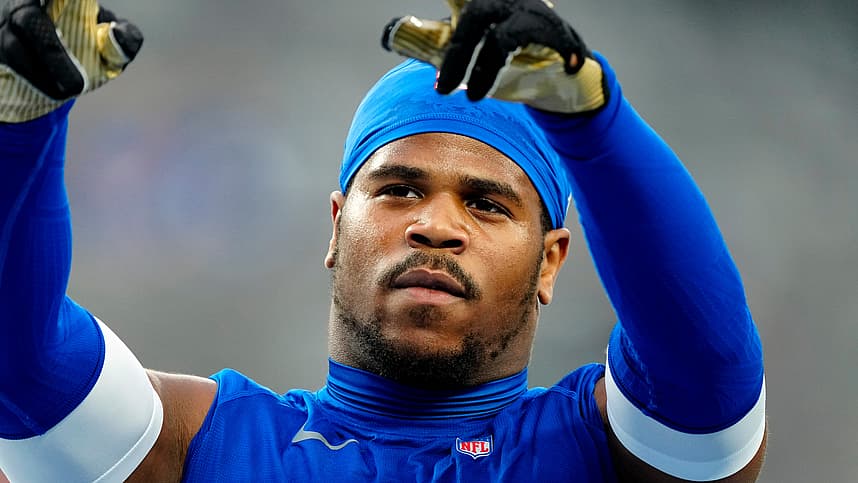
The NY Giants do not need to talk themselves into Abdul Carter’s upside anymore. The pressure numbers already did most of the work.
Carter’s rookie season was easy to undersell if the conversation started and ended with sacks. He totaled four sacks in 17 games as a rookie, which does not exactly scream instant star.
But that number never told the full story. Carter spent most of his rookie year getting to the quarterback faster than the finish column suggested.
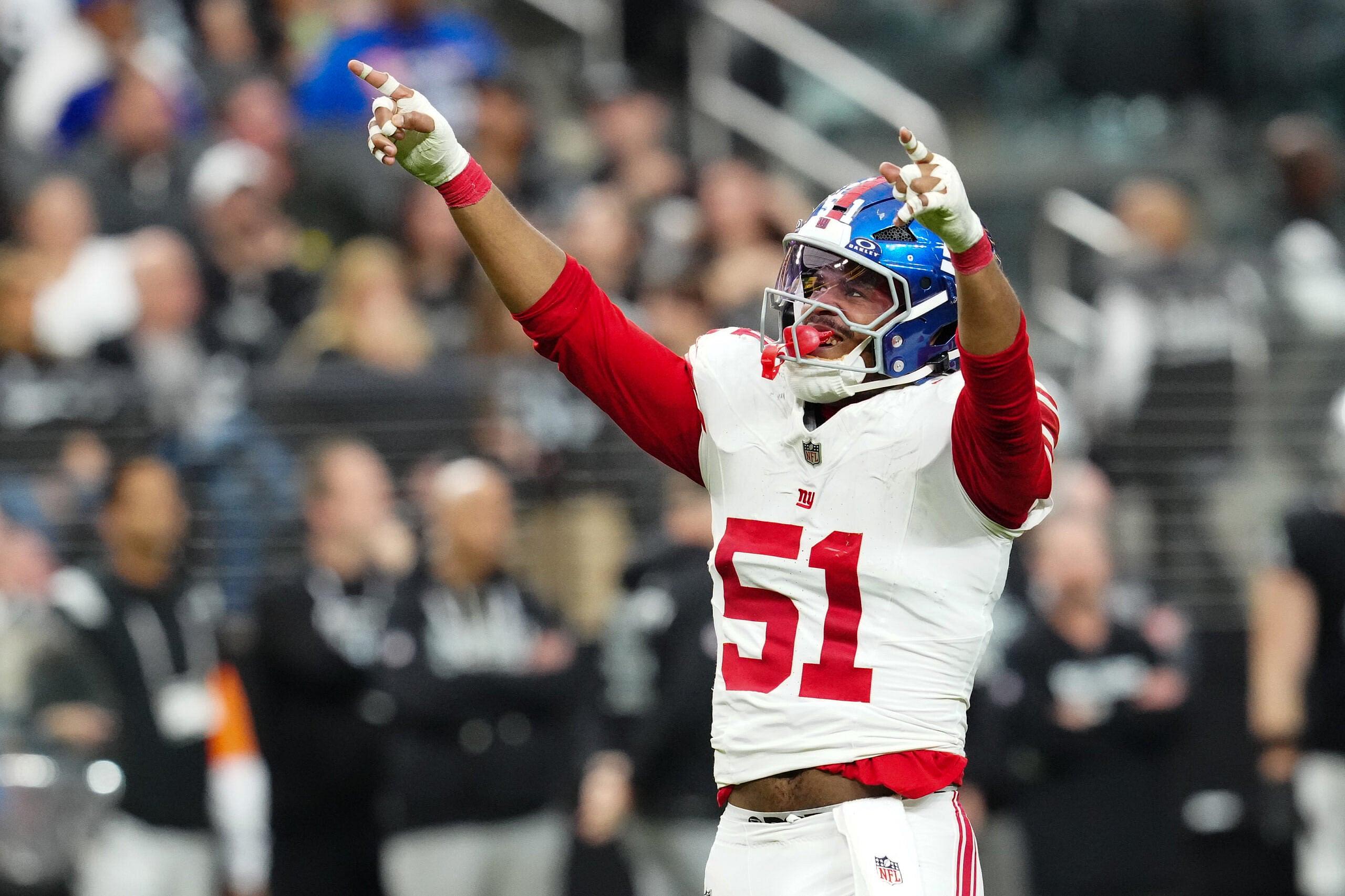
Carter’s pressure was already there
Carter earned a 74.7 overall PFF grade in 2025, but the more important number was the pass-rush production. His 84.5 pass-rush grade ranked 10th among qualified edge defenders, and PFF credited him with 66 total pressures.
That is the profile of a young rusher already winning enough to make a leap.
The sack total lagged behind the disruption, which happens to plenty of rookie edge rushers. Sometimes the quarterback gets the ball out. Sometimes another defender cleans it up. Sometimes a pressure only changes the throw instead of ending the snap.
According to Next Gen Stats, Carter was credited with an NFL-leading 48 quick pressures in 2025, meaning pressure generated in under 2.5 seconds. That is the kind of speed that forces an offense to change the way it protects.
OTA No. 1 was another reminder
Then came the first OTA practice of the spring. Giants.com wrote that Carter was a “star of practice” at OTA No. 1, noting that his elite speed, quickness, and athleticism helped him get into the backfield multiple times.
John Schmeelk described Carter’s bend around the edge as “impossible to miss.”
Bend is one of the traits that separates rushers who can threaten tackles from rushers who can actually finish. Carter already had burst, length, and closing speed. If his cornering keeps becoming more efficient, the sacks should follow.
The Giants do not need him to become a completely different player. They need the same player with a little more finish and a little more help around him.
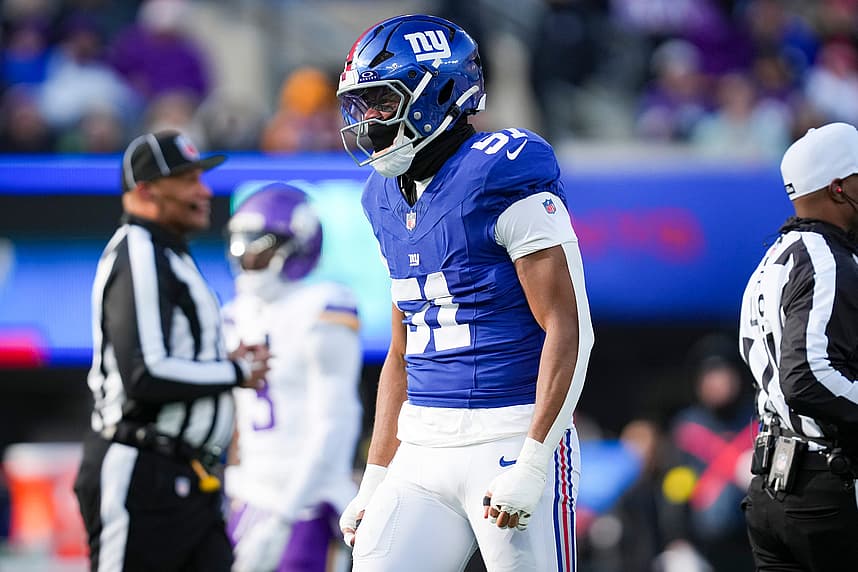
The Giants could unlock a deeper rush
Carter’s Year 2 leap also depends on the structure around him. Brian Burns remains the established closer. Kayvon Thibodeaux gives the Giants another edge with power and upside. D.J. Reader now mans the interior, and Dennard Wilson’s defense should have more ways to create pressure than last year’s group did.
That is the key. Carter was already flashing through imperfect conditions as a rookie. If the Giants can generate better interior push and stop the run to put offenses in more obvious passing situations, his speed becomes even harder to manage.
There is also a difference between being a rookie who pressures quarterbacks and being a second-year player who understands how offenses are trying to take him away. Carter now has a full season of NFL tackles, chips, slides, and quick-game plans on tape. The next step is turning those lessons into sacks.
The sack jump feels realistic
Carter already had the pressure volume. He already had the quick-win data. He already had a strong PFF pass-rush grade. Now, one OTA practice into his second offseason, the Giants’ own sideline report is pointing back to the same trait that made him dangerous in the first place.
No one should pretend that a May practice guarantees a breakout. But Carter’s rookie year looked much better under the hood than the sack total made it seem. If even a small percentage of those quick pressures start turning into finished plays, the Giants could be sitting on a Year 2 jump that changes the ceiling of the entire defense.

More about:New York Giants