Andres Chavez
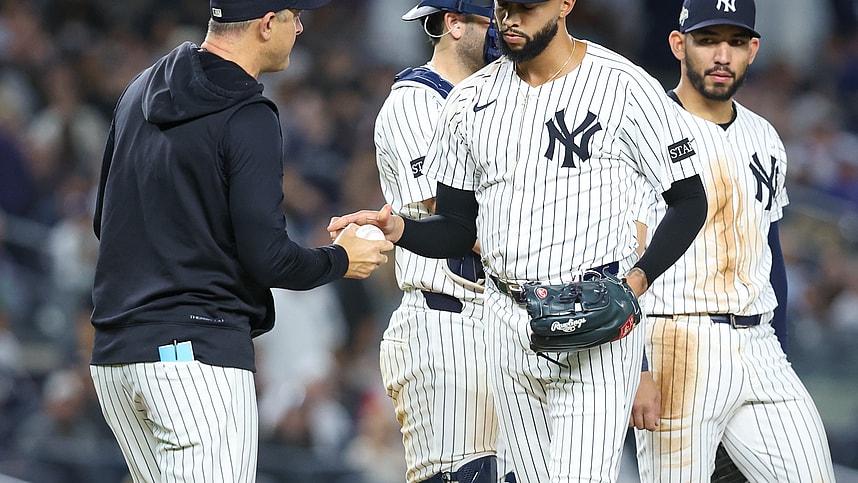
The New York Yankees made a bold gamble before the season — one that felt like the kind of move championship teams make. They traded away a year of fan favorite Nestor Cortes and six years of promising infielder Caleb Durbin to bring in All-Star reliever Devin Williams, a man whose signature “Airbender” changeup once made hitters look foolish. He was supposed to be the stabilizing force at the back of the Yankees’ bullpen, the closer who would slam the door shut on October dreams.
Instead, the ride was anything but smooth.
A Roller-Coaster Year in the Bronx
Williams arrived in New York with an ERA under 2.00 and a reputation as one of baseball’s most dominant relief arms. But pinstripes can weigh heavy, and his 2025 campaign turned into a maddening exercise in inconsistency. His final line — a 4.79 ERA across the regular season — tells only part of the story.
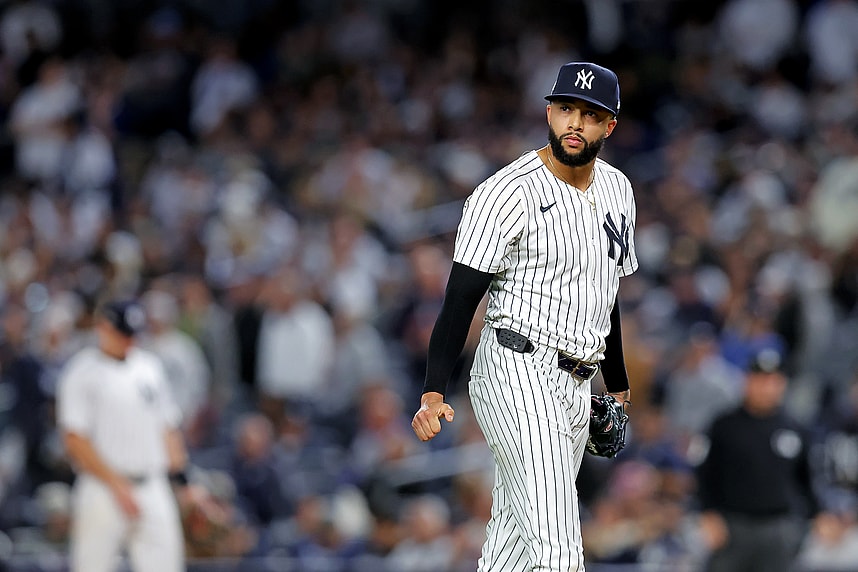
Every month felt like a different version of Devin Williams. He started the year with a brutal 9.00 ERA in March/April, improved to 4.22 in May, righted the ship with a dazzling 0.93 in June, then lost command again over the summer with ERAs north of 4.90 in both July and August. By September, he seemed to steady himself once more, closing the regular season with a 3.72 ERA and a few flashes of the old magic that made him an All-Star.
For Yankees fans, watching him was like being on a roller coaster with no seatbelt — exhilarating one inning, terrifying the next.
Postseason Redemption, But Questions Remain
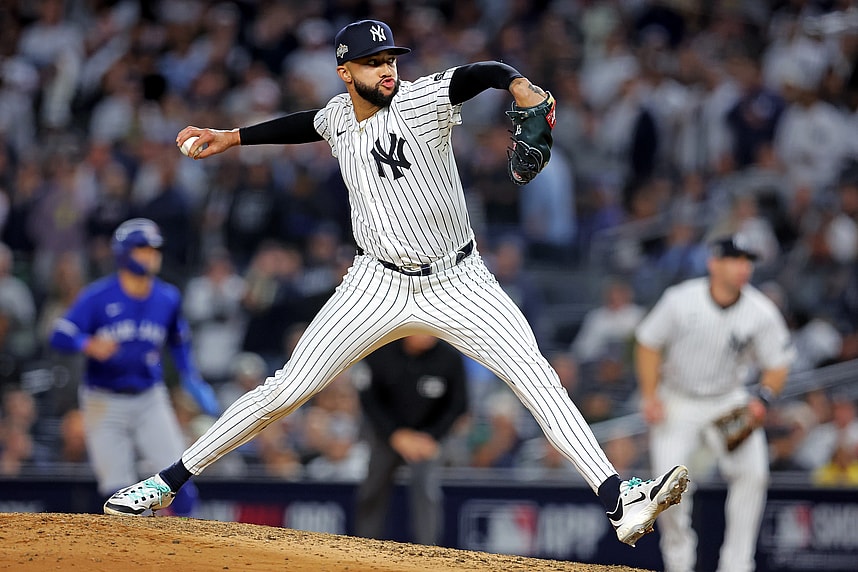
Ironically, Williams’ best work came when the lights were brightest. In the postseason and final weeks of the regular season, he was close to automatic, flashing the command and poise that had eluded him for much of the summer. That late surge reminded everyone of why the Yankees had been willing to part with so much talent to acquire him.
Still, front offices don’t pay for potential — they pay for predictability. And while Williams’ track record before 2025 will keep him in high demand, his uneven season in the Bronx left scars that numbers can’t fully explain.
Free Agency and the Yankees’ Dilemma
Now, with Williams heading to free agency, the Yankees face a dilemma: should they try to bring him back — likely as a setup man in front of new closer David Bednar — or cut their losses and move on?
As Phillip Martinez of SNY pointed out, there’s a real chance the Yankees let him walk. “The Yankees’ bullpen will look a lot different next season with Williams, Luke Weaver, and Tim Hill (club option) potentially leaving in free agency,” Martinez wrote. “While Williams proved to be a worthy arm once he figured things out, he may be too expensive — especially if he’s just going to set up Bednar.”
That’s the crux of the issue. Paying premium closer money for a reliever who might not close is a tough sell — even for a franchise with the Yankees’ financial muscle.
The Market Reality
Relievers, especially those with All-Star credentials, tend to get overpaid in free agency. Williams’ past dominance ensures he’ll command a strong market, even with his uneven 2025 numbers. The Yankees, however, have no shortage of bullpen options and might prefer to spread their resources across several less expensive arms rather than invest heavily in one volatile pitcher.
As Martinez put it, “The looming cost and uneven performance in his first season in the Bronx should give the Yanks pause. New York has options in the bullpen, and with a robust list of relievers exploring free agency, bringing in some lower-leverage (and lower-cost) options will benefit the Yankees in the long run.”
The Bigger Picture
Devin Williams’ year with the Yankees feels like a lesson in expectations. For every electric strikeout, there was a groan-inducing walk or a changeup in the heart of the zone. For every moment of dominance, a reminder that baseball can humble even the most gifted arms.
If the Yankees do move on, it won’t be out of spite — it’ll be because they’ve learned that consistency, not just talent, wins over the course of 162 games. Williams gave them glimpses of brilliance, but in the Bronx, glimpses aren’t enough.
Like a pitcher’s changeup that fades just before reaching the plate, his Yankees tenure promised movement — but never quite finished where anyone expected.

More about:New York Yankees