
 Andres Chavez
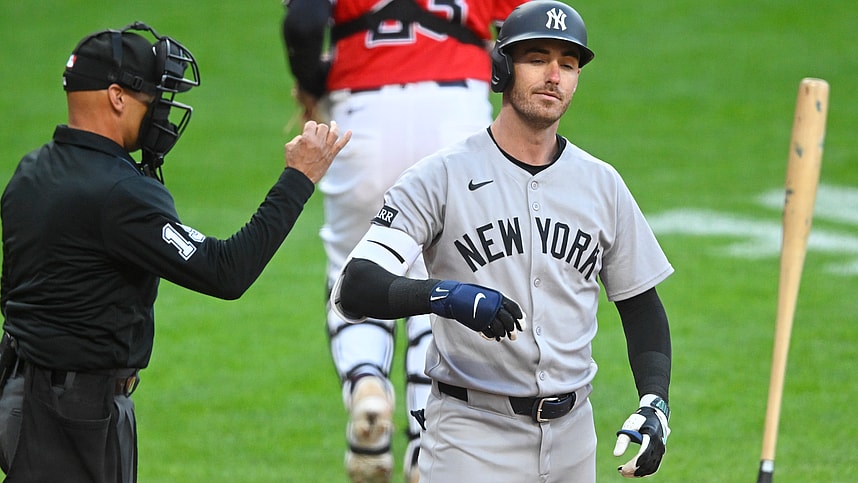
The number hangs there, stubborn and uncomfortable. Thirty-seven million dollars per year has a way of clarifying priorities, even for a franchise as accustomed to sticker shock as the New York Yankees.
Cody Bellinger earned his leverage the old-fashioned way in 2025, by being really good. After arriving via trade before the season, he gave the Yankees exactly what they hoped for and maybe a little more. The defense in the outfield was clean and reliable. The bat came with authority and balance. A 125 wRC+, 29 home runs, and 4.9 fWAR later, he looked like a cornerstone rather than a stopgap.
That is precisely why this standoff matters.
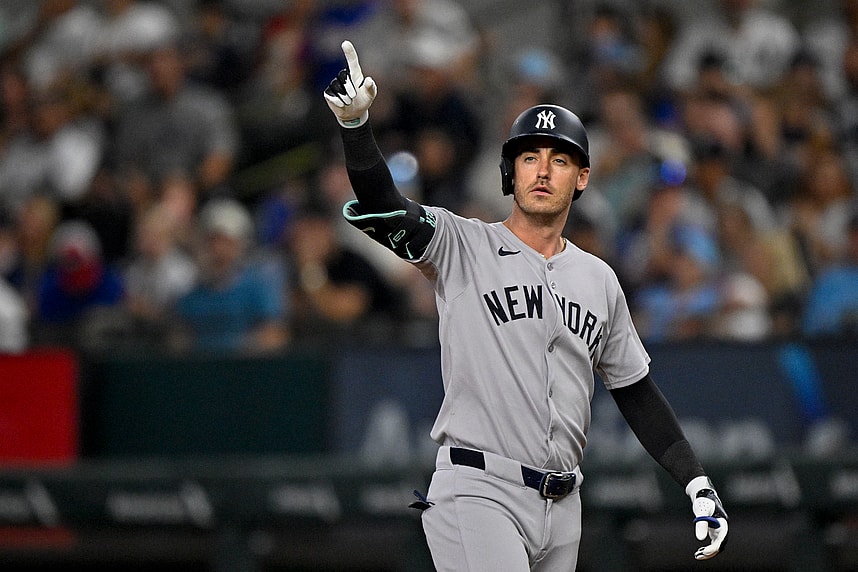
When Value Meets Reality in the Bronx
The Yankees do not question Bellinger’s talent. They saw it nightly. What they are questioning is the cost of belief. A six or seven-year deal at roughly $37 million per season is not just an investment in the player Bellinger was last season. It is a commitment to the version of him they might get in his mid-30s, after a career that has featured both MVP-level heights and prolonged valleys.
That history matters in a front office room, no matter how strong the most recent evidence looks. Before 2025, Bellinger’s track record was uneven enough to make any long-term projection uncomfortable. The Yankees are not operating from nostalgia or highlights. They are weighing risk in a market shaped by Scott Boras and sharpened by scarcity.
According to Buster Olney, relayed by Bryan Hoch, the Yankees are now operating under the assumption that Bellinger will sign elsewhere. That is not posturing. That is a pivot.
The Yankees Shift Their Gaze
The timing of that report tells its own story. While negotiations with Bellinger dragged, the Yankees stayed busy elsewhere. Conversations around Kyle Tucker and Bo Bichette have not slowed. Trade discussions with other teams have remained active. The message is subtle but clear. The Yankees are not waiting around for one negotiation to define their winter.
This is not a franchise walking away because it cannot afford the price. It is a franchise choosing flexibility over inflexibility. Committing around $260 million to a player they do not view as fully reliable long-term would narrow future options in ways the Yankees are unwilling to accept.
There is also a roster balance component at play. The Yankees need offense, yes, but they need it in ways that allow adaptation. Locking in a massive deal can solve one problem while quietly creating two more.
What This Means for Bellinger’s Market
Around the league, Bellinger is respected. That much is not in question. Teams see the defense, the power, the ability to play premium positions, and the upside when everything clicks. The question is how many clubs are willing to attach those qualities to a $260 million bet.
Is there a team willing to cross even $200 million? It’s unclear. Boras clients often wait out the market, but markets have limits.
The Yankees removing themselves from the top of the bidding changes the temperature. New York tends to function as both anchor and accelerator. When they step back, everyone else recalibrates.
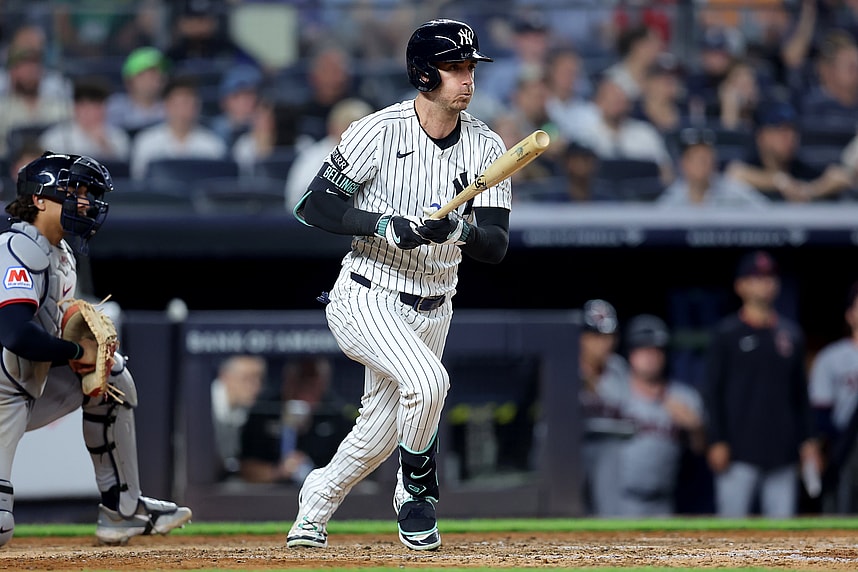
A Calculated Exit, Not a Failure
From the Yankees’ perspective, this is not an admission of defeat. It is an acknowledgment of boundaries. They got a strong season from Bellinger. They explored bringing him back. They did not blink when the price exceeded their valuation.
That is how disciplined teams behave, even when the player is good and the fit was real. The Yankees are still hunting for impact offense. They are just choosing a different path to find it.
Sometimes the smartest move is knowing when to step away from the table.

More about:New York Yankees
