
 Andres Chavez
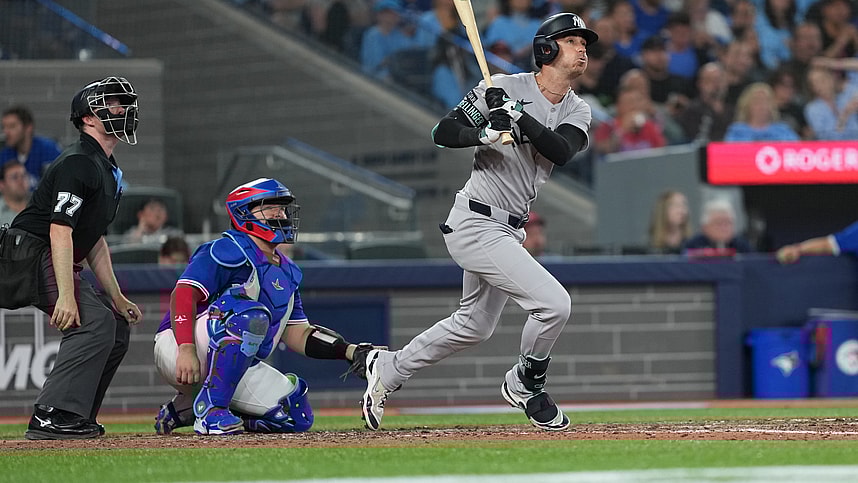
The swing looked the same in April as it did in September. Easy. Loose. Loud when it needed to be. Cody Bellinger arrived in the Bronx with questions trailing him and left the season having answered nearly all of them.
The New York Yankees do not have to squint to see the value. Bellinger hit 29 home runs in his lone season in pinstripes, posted a 125 wRC+, and finished with 4.9 fWAR. He played elite defense, handled the outfield with confidence, and rarely looked overwhelmed by the environment. For a roster that desperately needed balance and athleticism, he became more than a short-term fix. He became essential.
That performance is exactly why the Yankees are not alone now. The New York Mets, Los Angeles Angels, Los Angeles Dodgers, and Chicago Cubs have all been linked to Bellinger this winter. Former employers circling back is rarely an accident. It usually means the player reminded everyone who he is.
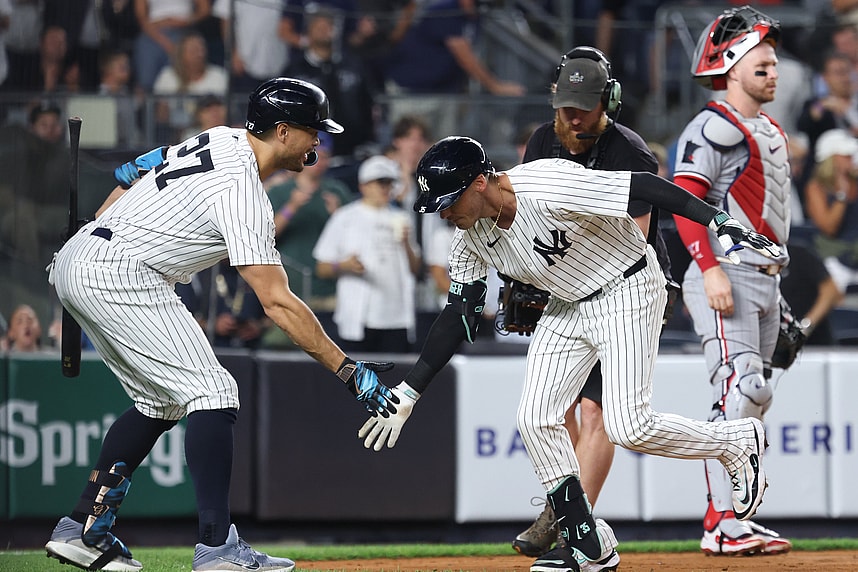
No team has broken away from the pack yet, which has fueled the idea that the Yankees should stay patient. Do not bid against yourself. Do not stretch years or dollars unnecessarily. In theory, that logic holds.
Why Cody Bellinger Still Controls the Room
Ken Rosenthal framed the leverage question simply, and that is what makes it sting. If not Bellinger, then who?
The Yankees can talk themselves into discipline all winter, but the market does not care about internal talking points. Rosenthal noted on Foul Territory that Bellinger holds leverage because the Yankees lack viable alternatives. Kyle Tucker exists, but everyone in baseball understands that Tucker costs far more in both money and assets. Beyond that tier, the drop-off among outfielders is steep.
This is not just about replacing home runs. It is about replacing a left-handed bat that plays in Yankee Stadium, runs the bases well, and provides rock-solid defense. That combination does not grow on trees. The Yankees saw firsthand what happens when they try to patchwork that role.
Bellinger also benefits from timing. He is 30, not 34. Teams can talk themselves into four or five productive years without too much mental gymnastics. That matters in negotiations, especially for clubs trying to thread the needle between present contention and future flexibility.
The Yankees’ Calculated Gamble
The Yankees are correct that they do not need to panic. No team has blown the doors off the market yet. But patience cuts both ways. Once one club decides it is time to move, the landscape changes quickly.
Waiting only works if the Yankees are willing to strike the moment Bellinger’s market crystallizes. Hesitation becomes dangerous when alternatives are thin. This front office knows that. It lived through seasons where depth charts were filled with placeholders and hope.
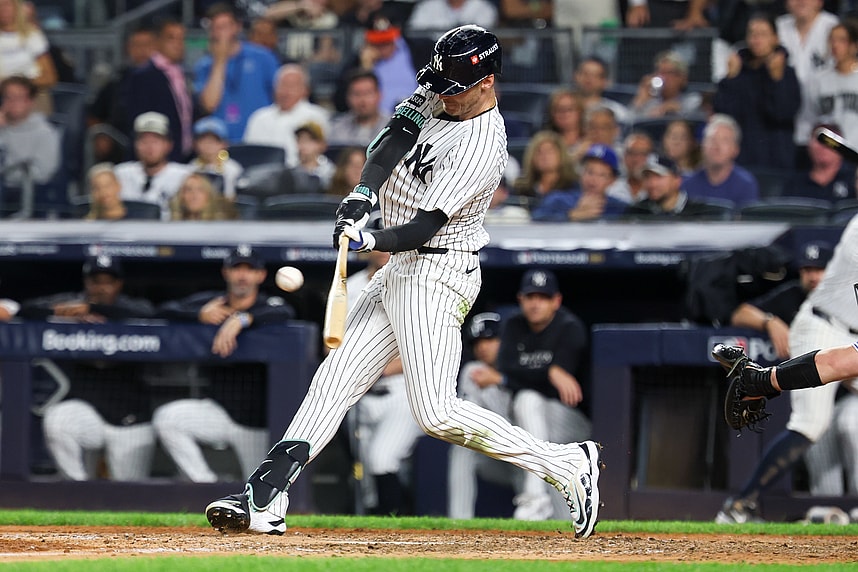
There is also the human element. Bellinger fit. He handled New York, embraced the role, and never looked like a rental counting days until departure. Those things matter, even if they do not show up on a spreadsheet.
A Decision That Defines the Winter
This is not about overpaying out of fear. It is about recognizing leverage when it exists and understanding when restraint becomes rigidity. The Yankees can afford to be disciplined. They cannot afford to be wrong.
Bellinger does not need the Yankees to rush. He only needs them to hesitate once.

More about:New York Yankees
