
 Andres Chavez
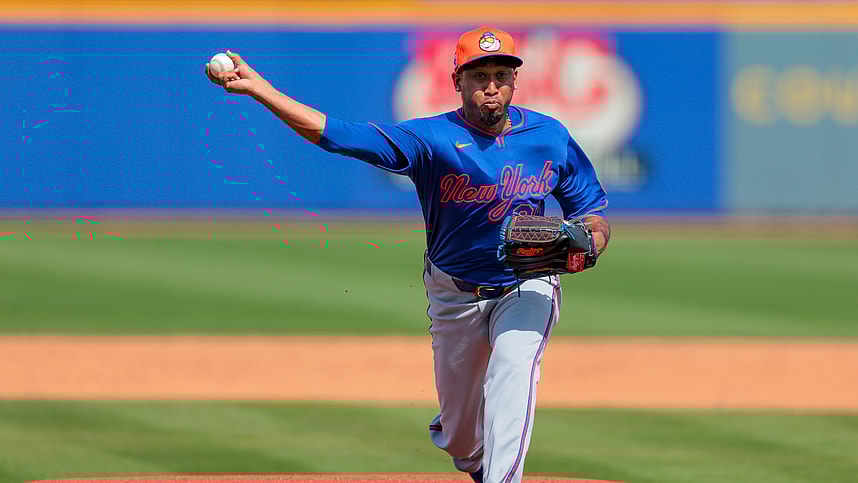
The first thing you notice is the silence. No sirens, no last-out roar, none of the usual winter noise that comes when the New York Yankees swoop in for bullpen help. For a club that has lived on the edge of elite relief work for the better part of a decade, this offseason has felt strangely quiet, especially as Devin Williams packs his bags for Queens and Luke Weaver drifts into free agency. The bullpen used to be the Yankees’ security blanket. Suddenly it’s a question mark. To be fair, the unit wasn’t very good in 2025.
A Market Moving Without Them
Reinforcing the relief corps is never easy, but this winter is something else entirely. Nearly every team wants bullpen help, from clubs with legitimate championship windows to those still trying to figure out what direction they’re facing. The Yankees are hardly alone in their search, yet it feels different because the team just watched two arms they actually relied on walk out the door.
Williams never had the dominant regular season the Yankees hoped for, finishing with a 4.79 ERA in his lone year in the Bronx. Still, he steadied himself when it mattered, delivering in September and into October before signing with the New York Mets. Weaver, meanwhile, had his season ruined by two specific months: July (7.15 ERA) and September (9.64 ERA). These aren’t catastrophic losses, but they’re real ones, and the Yankees haven’t replaced them.
When Top Arms Slip Away
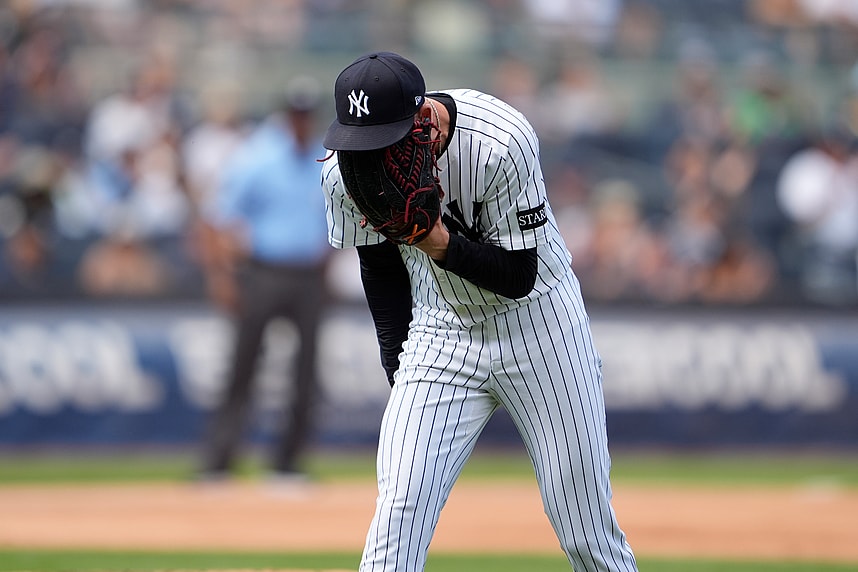
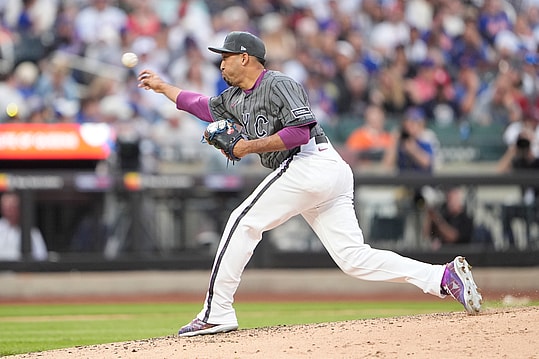
What makes the situation sting more is who did cash in. Edwin Diaz went to the Los Angeles Dodgers. Williams went to the Mets. Those aren’t rebuilding teams taking fliers. Those are clubs that plan on being in the Yankees’ way next fall, and each walked off with a reliever who could have stabilized the Bronx bullpen.
There’s a legitimate argument that the Yankees let the top two relievers on the market escape without making a competitive push. Fans expected at least a phone call, a meeting, a nudge. Something. Instead, the Yankees never even offered Williams a contract, and according to Bryan Hoch, they were never in on Diaz at all. When Brian Cashman’s explanation landed, it felt pragmatic but flat: Diaz is a great pitcher, and at least he didn’t end up in the American League.
The Price of Staying Out
From a financial standpoint, the logic is easy enough to follow. Diaz landed 69 million dollars from the Dodgers over three years, a steep price for a reliever, even one who struck out 98 hitters with a 1.63 ERA after stumbling out of the gate in April. That contract wasn’t built for a front office as cautious as the Yankees have been with relievers in recent years. Williams wasn’t cheap either, and the Yankees clearly didn’t love the profile enough to push.
But logic doesn’t always satisfy a fan base that just watched the bullpen wobble late in the season, only to lose the steadying arms they already had. Silence doesn’t read as strategy. It reads as inaction.
What Comes Next
The Yankees insist they’re pursuing relief help, and they almost certainly are. It’s the timing and the intent that people question. This is a team that still expects to contend in 2026. This is also a roster with more cracks in the bullpen than it’s had in years. Waiting out the market is a gamble, especially when contenders are getting stronger around them.
Maybe the Yankees find value late. Maybe they uncover the next overlooked arm who thrives once he’s dropped into their pitching lab. They’ve done it before. But at some point, upside bets need to be balanced with proven reliability, and right now the Yankees haven’t shown they’re willing to pay for the stability they just lost.
The bullpen isn’t broken, but it’s flimsy enough that the next move matters. And if the Yankees truly believe they can outlast the Dodgers, Mets, and everyone else standing between them and October, they’ll need to make sure the silence doesn’t last much longer.

More about:New York Yankees
