
 Andres Chavez
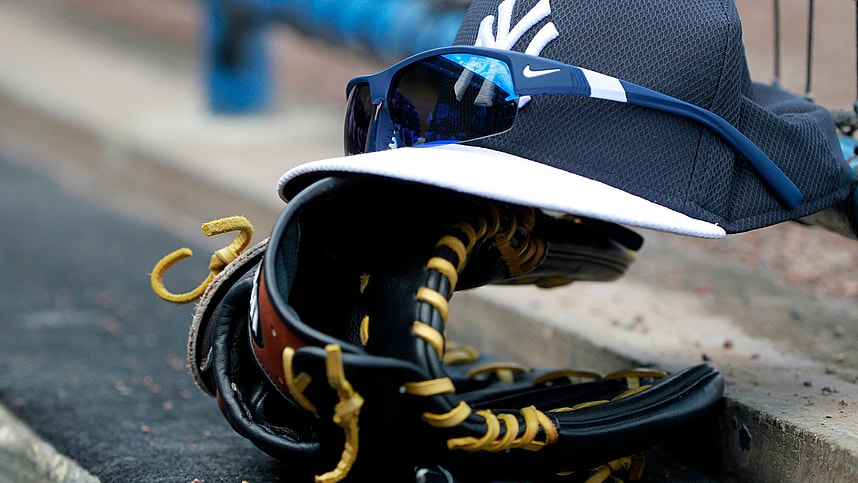
The number that jumps off the page is not the ERA. It is the silence.
When Tatsuya Imai signed with the Houston Astros on New Year’s Day, the New York Yankees and Mets were barely part of the story. Not as runners-up. Not as late bidders. According to Jon Heyman, they were not seriously involved at all. For two teams with rotation questions and money to spend, that absence said more than any quote ever could.
Why the Yankees and Mets Stayed on the Sidelines
Imai’s deal was clear and aggressive. Three years, $54 million, a $2 million signing bonus, and salaries that rise from $16 million this season to $18 million in each of the final two. Add opt-outs after 2026 and 2027, plus incentives that could push the total to $63 million, and you have a contract built on confidence. Houston believed enough to structure it like a near-ace agreement.
The Yankees and Mets did not.
This was not about scouting. Everyone in baseball saw the same pitcher. A right-hander with swing-and-miss stuff, calm presence, and a 1.92 ERA in Japan last season. The intrigue was real. The Cubs were in the mix. The Astros closed. New York watched.
For both the Yankees and Mets, the hesitation centered on one thing. Paying $60 million or more for someone who has not thrown a single MLB pitch still feels like a leap, even in an era where Japanese stars are increasingly trusted. Stuff travels. Command usually does. Durability is still a question mark.
That calculation may be sound. It is also revealing.
What This Says About the Yankees Rotation Plan
The Yankees could use Imai right now. Gerrit Cole, Clarke Schmidt, and Carlos Rodon are all expected to open the season on the injured list. That leaves a rotation searching for innings in April and stability beyond it. Fresh bodies are not a luxury in the Bronx. They are a necessity.
Yet the Yankees chose restraint. That points toward internal belief. It suggests confidence that the injured arms will return in reasonable shape, and that shorter-term solutions are preferable to a multi-year commitment with uncertainty attached. It also hints that the Yankees may still be angling for something more familiar, whether that comes via trade or a different market inefficiency.
The risk is timing. Early-season games count the same, and patchwork rotations have a way of digging holes fast. Passing on Imai means the Yankees are betting on health more than upside.
Why the Mets Passed on a Potential Ceiling Play
The Mets’ calculus was different. They have arms. They have depth. What they do not have is a clear, dominant presence at the top of the rotation. Imai represented a chance to swing bigger, to import upside rather than layer competence.
That swing never really happened.
For the Mets, this looks like philosophical caution. High-upside does not always mean high-certainty, and the front office appears unwilling to allocate premium dollars to projection alone. Even with Imai’s track record, the transition from NPB to MLB remains unpredictable. The Mets chose to live with that gap rather than pay to close it.
It is defensible. It is also limiting.
Houston’s Bet and the Final Takeaway
The Astros saw something else. They saw a Framber Valdez replacement, not in style but in impact. They saw a pitcher who could stabilize a staff and accelerate a return to relevance. They acted accordingly.
The Yankees and Mets did not misread Imai. They just chose caution over curiosity. That choice will look smart if he struggles. It will look passive if he thrives.
For now, the sweepstakes are over. The questions for New York are just beginning.

More about:New York Yankees New York Mets
