
 Alexander Wilson
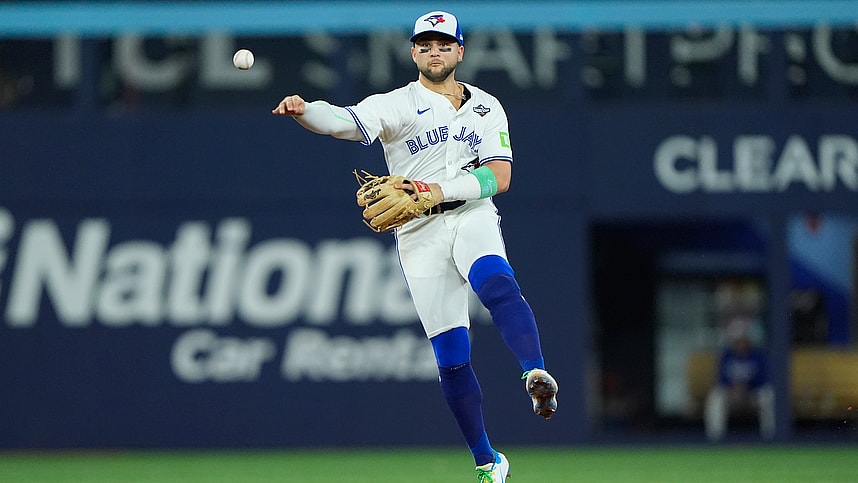
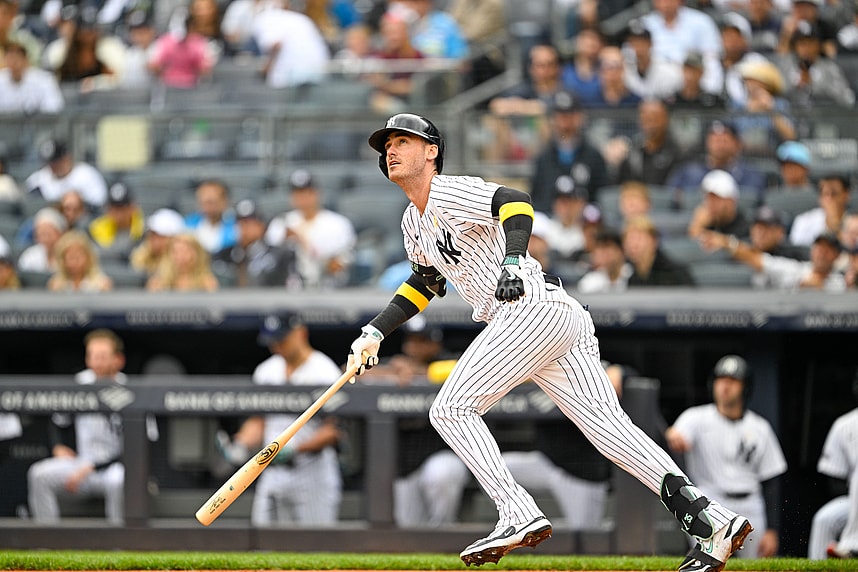
The hot stove has officially turned into a high-stakes staring contest between the Yankees and Scott Boras, and frankly, the numbers being tossed around are enough to make you spit out your drink. We all know General Manager Brian Cashman has identified Cody Bellinger as the ideal left-handed bat to balance the lineup, but the price of admission has crossed the line from expensive to delusional.
Reports indicate that Bellinger’s camp is digging in for a seven-year deal with an average annual value between $36 million and $37 million, a figure that places him in the financial stratosphere of guaranteed superstars.
That asking price is egregiously out of touch for a player whose career arc looks more like a roller coaster than a steady climb. While Bellinger enjoyed a resurgence recently, paying him nearly $40 million a season ignores the massive regression risk that has plagued him in the past.
It is the kind of money you pay for a perennial MVP candidate like Kyle Tucker, not a guy who batted .210 just a few seasons ago. The short porch at Yankee Stadium would certainly mask some of his flaws and inflate his home run totals, but banking on stadium dimensions to justify a $260 million contract is bad business.
As reported recently, the Yankees’ pursuit of Cody Bellinger is hitting a $37 million road block, and for once, the front office is right to hesitate. There is a distinct difference between paying for premium talent and bidding against yourself in a thin market.
The Yankees know that outside of the Bronx, Bellinger’s fly-ball-heavy approach often dies on the warning track, making his contact profile far less dangerous in neutral parks.
Bo Bichette Is a $300 Million Trap Waiting to Happen
The frustration with the Bellinger negotiations has naturally led to whispers about a pivot, but the alternative currently floating around the rumor mill is arguably terrifying. Some pundits have suggested the Yankees could turn their attention to free-agent shortstop Bo Bichette, but this is a classic case of jumping out of the frying pan and into the fire. Bichette is reportedly eyeing a long-term deal that could eclipse $300 million, a valuation that assumes he will remain an elite offensive infielder for the next decade.
The algorithm hides the best New York Yankees news; make sure you pin Empire Sports Media on Google News so you don’t miss a beat.
If you look closely at the metrics, Bichette’s defensive decline is already flashing bright red warning signs. His lateral range has diminished significantly, with advanced stats like Outs Above Average (OAA) painting a picture of a player who is destined to move off the position sooner rather than later. Paying superstar shortstop money for a player who likely needs to shift to second or third base immediately is a recipe for roster paralysis.
Roster Tetris and The Jazz Chisholm Problem
Bringing in Bichette doesn’t just hurt the payroll; it creates a logistical nightmare for manager Aaron Boone. With Anthony Volpe having firmly established himself as a Gold Glove-caliber shortstop (when healthy), Bichette would have no natural home in the infield. This would force a chaotic reshuffling that would directly impact Jazz Chisholm, who the Yankees acquired specifically for his versatility and athleticism.
To squeeze Bichette into the lineup, the Yankees might be forced to trade Chisholm just to clear the logjam, which would be a massive step backward in terms of team speed and dynamism. Chisholm offers the kind of athletic upside the Yankees have lacked for years, while Bichette represents the older, slower, right-handed heavy profile they are trying to escape. The Yankees need to get out of the Cody Bellinger trap in free agency, but they certainly shouldn’t run straight into the Bichette trap instead.
Sometimes the best move a General Manager can make is the one he walks away from. The market drops off a cliff after the top names, and while that is scary, panic-buying a declining shortstop or overpaying a volatile outfielder is how championship windows slam shut. Cashman needs to hold the line, because paying $37 million for “good enough” isn’t a strategy—it’s a surrender.

More about:New York Yankees
