Ryan Garcia
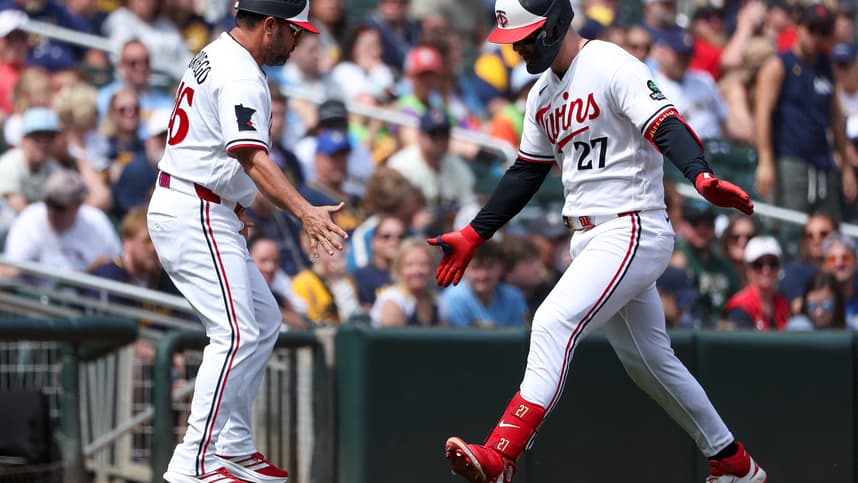
The New York Yankees are looking for a right-handed catcher this trade deadline, and they’re going to be linked to Ryan Jeffers for weeks leading into and through July.
Off to a 28-33 start, the Minnesota Twins are expected to be sellers especially when it comes to any players on expiring contracts.
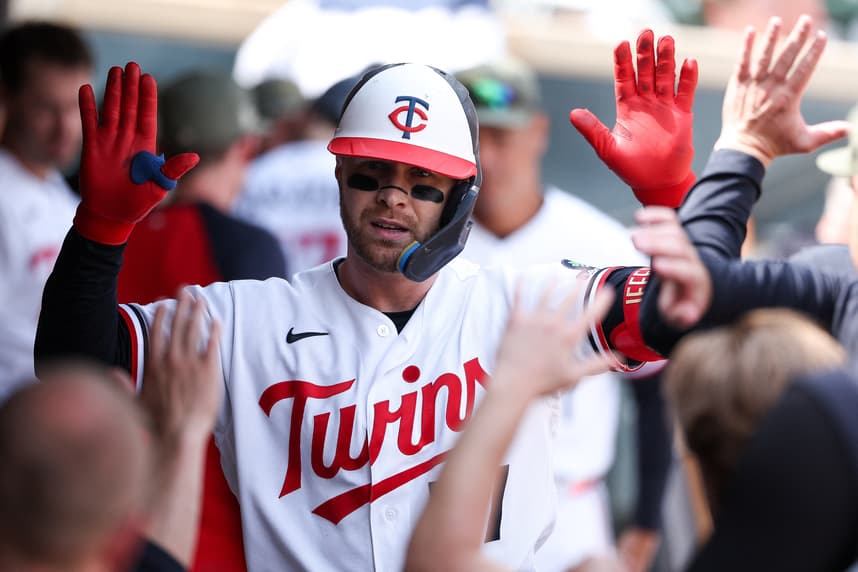
While Ryan Jeffers is currently on the injured list due to a hamate bone injury, he’s the exact kind of hitter that this lineup could use especially in the catching room where they’ve gotten virtually zero offense.
By adding offense against left-handed pitching and a balanced offensive approach, Jeffers is sizing up to be the perfect bat for this Yankees’ offense at the summer trade deadline.
READ MORE: The Yankees are getting a more useful Anthony Volpe back
Why Ryan Jeffers Fits the Yankees’ Offense So Well
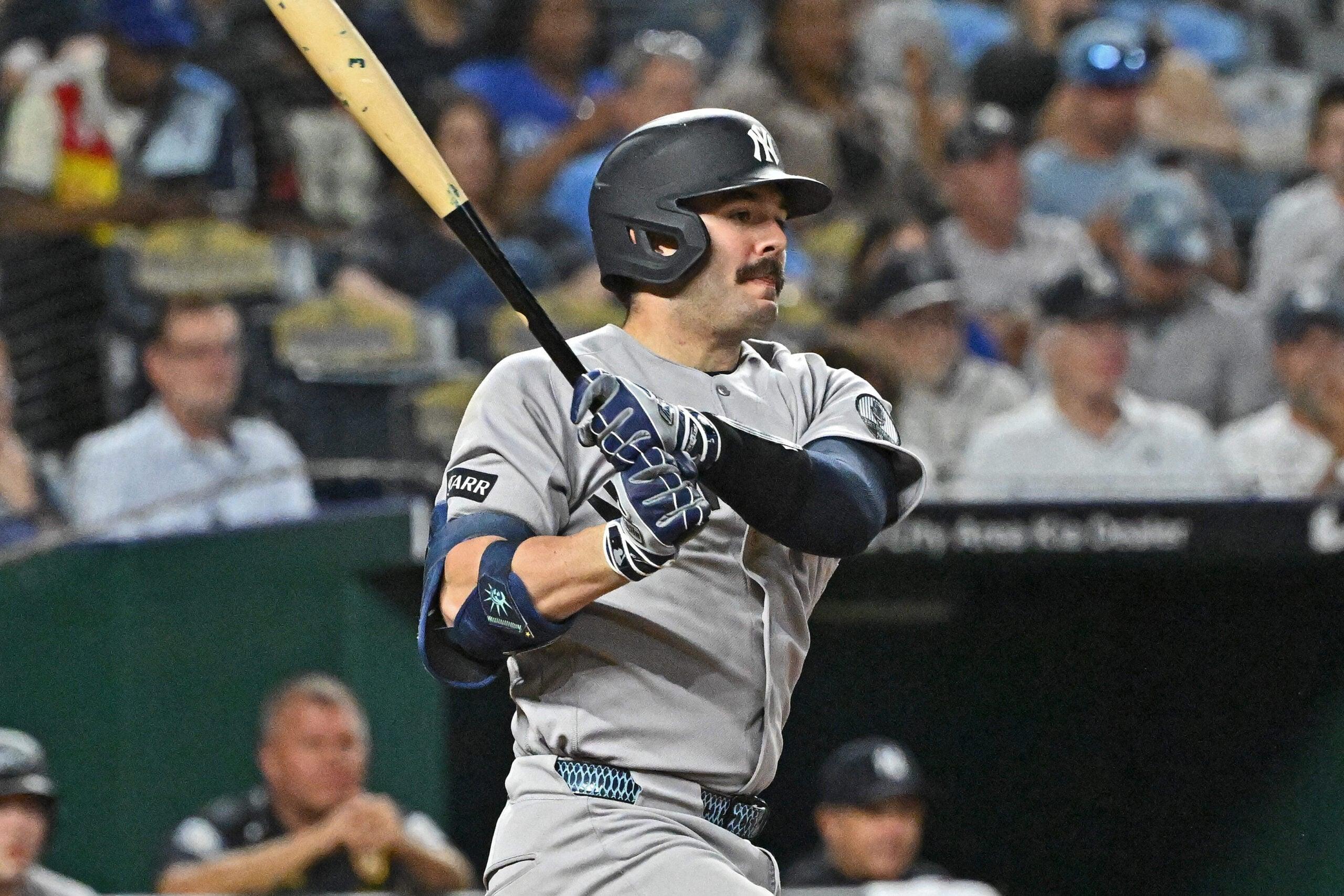
Austin Wells and J.C. Escarra have been real problems for the bottom-half of the Yankees’ offense despite the team ranking inside the top-five in most notable offensive categories.
Escarra and Wells are below-average in contact quantity and contact quality, a combination of skills that is incredibly easy to pitch to and teams will hunt these matchups when they can with RISP.
You’d rather walk Jose Caballero and put him on first base with runners on second and third to go after Austin Wells since he might either strikeout or hit a weak batted ball that won’t bring in a run.
Since Escarra’s considerably worse by OPS this season, he won’t be winning any playing time over Wells at the moment, and it’s why he’s considering learning how to hit from the right-handed side.
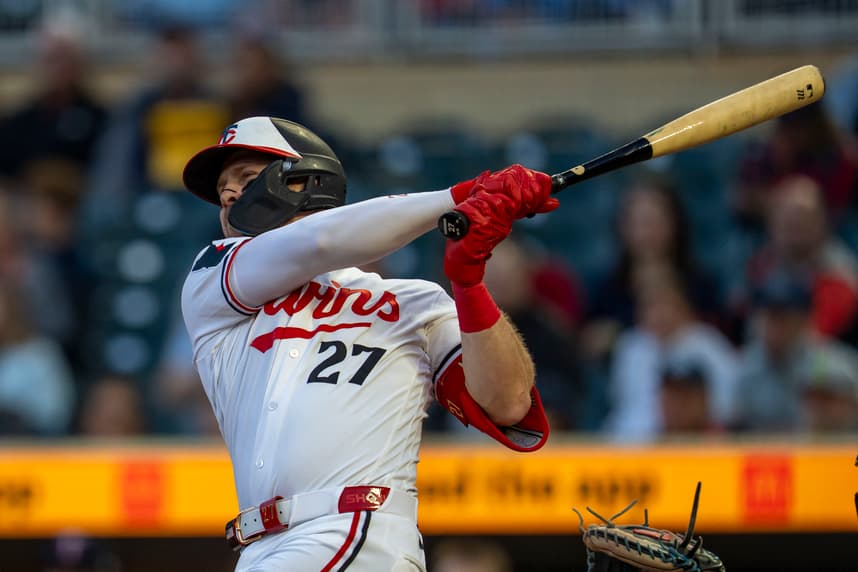
This is where Ryan Jeffers becomes a massive swing in offensive value for the Yankees, he’s a right-handed hitter who can clobber left-handed pitching while still tackling his same-handed matchups well.
He’s one of the best hitters vs LHP in the sport over the last four seasons, and I’ve come to really adore his offensive profile as the high-strikeout power hitter became a bat-to-ball hitter before re-discovering his power in 2026.
Jeffers has a slightly flatter swing than most but he’s still able to generate tons of contact in the air, running a 68.3% AIR% which is nearly 13 percentage points better than the MLB average in 2026.
Combined with his quick bat speed (73.5 MPH), he’s able to not only consistently make contact in-zone, he’s also able to drive the ball out of the yard in a hurry if he gets a pitch to hammer.
While it’s hard to project how a player will perform in the postseason since the sample size is too small for even expected stats like xwOBA or xOPS to stabilize, we can identify skills that are important to have in October.
Velocity jumps a ton from regular season to postseason action, as last season the average four-seam velocity increased from 94.5 MPH to 95.8 MPH.
Ryan Jeffers has an elite 13.3% Whiff% against pitches at 95+ MPH, but his lack of damage contact in 2024 and 2025 made him ineffective in those matchups.
In 2026 he’s flipped the script thanks to better bat speed than we’ve seen in recent years, and if he can hold those gains I believe his bat will actually translate incredibly well in postseason environments.
If the Yankees can add him to their offense and get a healthy Giancarlo Stanton, their lineup begins to look like this for Game 1 of whatever round they’re playing in:
- Trent Grisham CF
- Aaron Judge RF
- Ben Rice 1B
- Giancarlo Stanton DH
- Cody Bellinger LF
- Ryan Jeffers C
- Jazz Chisholm 2B
- Anthony Volpe SS
- Jose Caballero 3B
That top-seven is one of the best in the game, and if they can get good defense from that left side of the infield with some speed and peskiness, you’re going to have a dangerous offense for the postseason.
Worries About a Potential Ryan Jeffers Trade
The first issue is that Ryan Jeffers suffered a broken hamate bone on his left hand, which brings some serious concern about both his offense and defense.
Reduced grip strength in the left hand will lead to changes in Ryan Jeffers’ barrel control and overall swing speeds, so properly recovering from surgery is a big deal.
Sometimes it has zero effect on a hitter, with Corbin Carroll currently having a .913 OPS after breaking his right hamate bone as a left-handed hitter before the start of the season.
On the otherhand, you can look at Andrew Benintendi who also had his right hand broken by a hamate bone injury, and saw his Average Exit Velocity decrease from 89.2 MPH to 86.6 MPH in the following season.
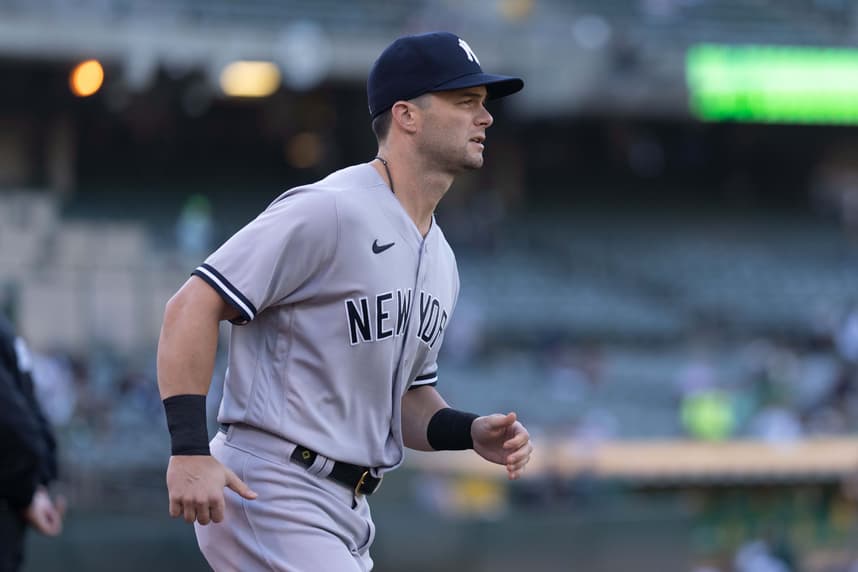
The other area this could affect is his framing, his left hand has his glove and in order to stick frames it requires using grip force to firmly grasp the ball and present it well to the umpire.
He’s already a worse defensive catcher than Austin Wells, grading out as a decent framer who struggles with blocking and throwing which are concerns with this bullpen which is incredibly wild.
It will be important to monitor how Ryan Jeffers looks following his return from the injured list, which is expected to be in early July based on the early reports about his timeline.
This won’t give the Yankees a ton of runway to see how he’s doing at the plate since he could be traded just a couple weeks after being reinstated from the injured list.
I’m still pro-Jeffers, but these are variables to consider when it comes to a potential Ryan Jeffers trade, and it’ll be interesting to see how the market ultimately values him in July.

More about:New York Yankees