
 Alexander Wilson
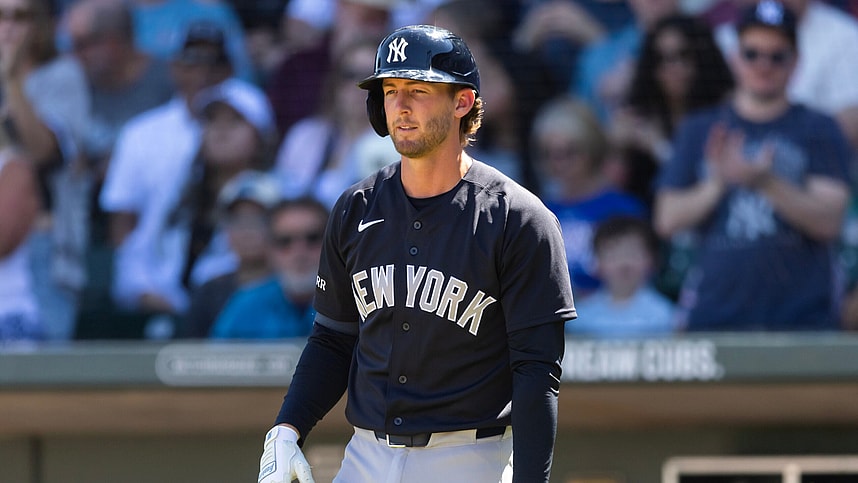
The Yankees are 5-1. Nobody is panicking. But if you pay close attention to third base, a quiet concern is taking shape that will matter a lot more in October than it does in April.
Ryan McMahon has always been a study in contrasts, and his career numbers bear that out plainly. A nine-year major leaguer with 144 career home runs, a Gold Glove-caliber defender, and a 91 OPS+ for his career that has never once climbed above league average. He hits the ball as hard as almost anyone in baseball when he makes contact. The problem is that contact comes far less often than his raw power metrics suggest it should.
The New York Yankees acquired him from Colorado at the trade deadline last July understanding all of that. They took the bet anyway because they believed the swing-and-miss problem was mechanical rather than fundamental, a diagnosis that led to a Zoom call with hitting coaches James Rowson, Casey Dykes, and Jake Hirst shortly after the Yankees’ postseason exit. They reviewed film. They found their culprit.
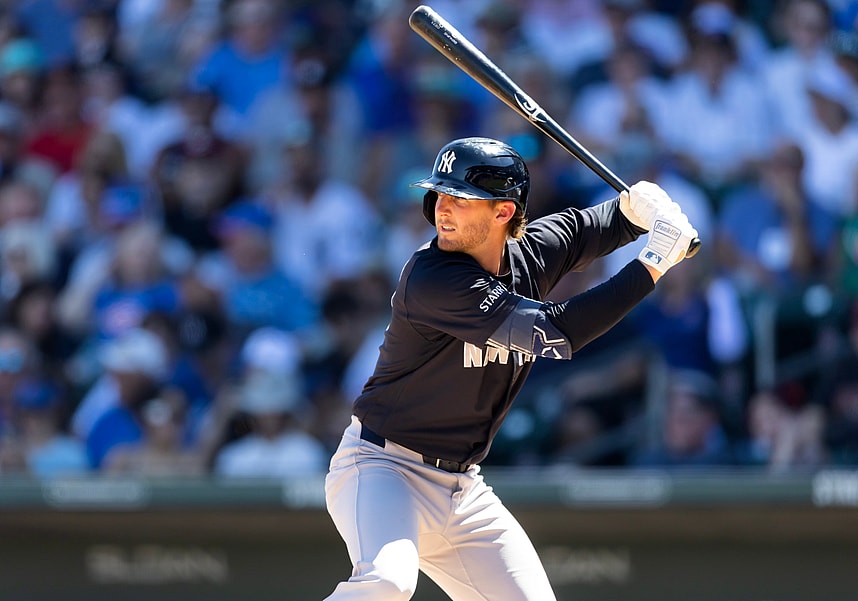
McMahon had averaged 42.7 inches between his feet last season, the fourth-widest stance in Major League Baseball. The coaches identified that as the root of his contact issues, arguing that the width was destroying his hip rotation and forcing him to reach for pitches rather than drive through them. The fix was simple in concept: close the stance, shorten the path, get the hands higher.
“A lot of good things happen from being a little bit closer together,” McMahon said during spring camp, per MLB.com. “My hands don’t drop as much, which is a super helpful thing. They travel a little bit higher, and that’s something that I do when I’m swinging it well.”
The offseason work sounded promising. The spring results were not encouraging. He struggled to carry the mechanical adjustment into game situations against live pitching, and the regular season is where these fixes either hold or unravel entirely.
The Numbers Behind the Concern
McMahon’s profile is one of the more fascinating contradictions in the American League. He ranked in the 95th percentile in average exit velocity and the 89th percentile in hard-hit rate last season. When the ball finds his barrel, it leaves in a hurry. The issue is getting it there. His whiff rate ranked in the 2nd percentile. His strikeout rate also ranked in the 2nd percentile. Those two numbers together tell you that he is not just striking out frequently, he is swinging through pitches that most major leaguers make contact with routinely.
The defensive numbers are early and will stabilize. His minus-2 defensive runs saved and minus-1 outs above average to open 2026 do not reflect the player who has historically been one of the better third basemen in the sport. Gold Glove caliber defenders go through rough patches in April. That part of his profile is not the concern worth spending energy on right now.
The bat is the conversation that matters, and it will keep mattering because McMahon is owed $16 million in each of the next two seasons. The Yankees need the offensive investment to produce something above replacement level, and the strikeout rate remains the primary obstacle between what his talent suggests and what his stat line consistently delivers.
Why the Yankees Are Not Wrong to Believe
The underlying contact quality is the argument in his favor. A hitter who ranks in the 95th percentile in exit velocity and consistently barrels balls when he connects is not a hitter without offensive value. The stance adjustment is not asking him to become a different player. It is asking him to get out of his own way mechanically so the talent that is clearly present can show up more often.
The Yankees are 5-1 and McMahon has not been a drag yet. But the regular season runs 162 games and the playoffs punish offensive liabilities in ways that early April never does. The stance adjustment has to start showing up in the strikeout numbers before June, or this conversation is going to get significantly louder than it is right now.

More about:New York Yankees
