
 Andres Chavez
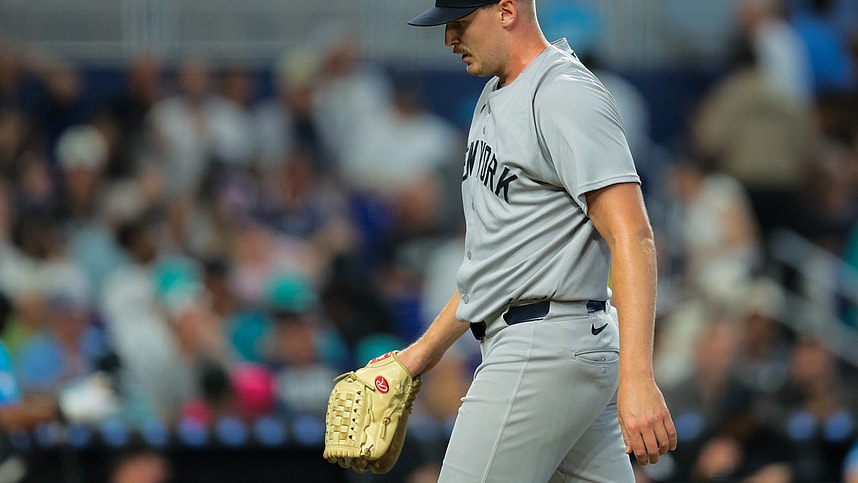
The number that keeps circling back is not flashy. Twenty-three innings. That is all Brent Headrick needed in 2025 to make his case, and for a New York Yankees bullpen suddenly light on certainty, those innings carry more weight than they look like on the surface.
The New York Yankees have been quiet to the point of discomfort this winter when it comes to relief help. Cade Winquest arrived via the Rule 5 Draft. Tim Hill was retained. Luke Weaver and Devin Williams are gone. That is not housekeeping. That is turnover.
There is still time, of course. The Yankees could dip into free agency, where a few veteran relievers remain, or pull off another midwinter trade the way they did when Williams came over from Milwaukee. But every day that passes without a major addition pushes more responsibility onto the arms already in the room.
That is where Headrick enters the conversation, whether the Yankees planned it this way or not.
A season that deserved more attention
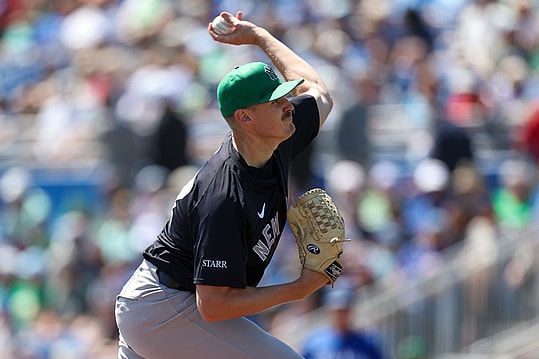
Headrick’s 2025 line does not scream dominance, but it whispers it clearly if you know where to listen. A 3.13 ERA across 23 innings. Thirty strikeouts. Consistent weak contact. No visible panic when traffic showed up.
Those numbers mattered because they came during a year when the Yankees bullpen churned constantly. Roles changed. Injuries piled up, including a left forearm contusion he suffered himself. Trust was earned on a night-by-night basis. Headrick did not just survive that environment. He stabilized it.
Advanced metrics back up what the eye suggested. He posted career best marks in both K-BB percentage and expected weighted on-base average. That is not noise. That is command, execution, and stuff aligning at the same time.
The stuff jump was real
Velocity is not everything, but it is something, especially for a reliever trying to claim leverage innings. Headrick’s average fastball ticked up from 92.8 mph to 94. That may not sound dramatic, but at the margins where bullpen roles are decided, it matters.
More importantly, the velocity bump supported his secondary pitches rather than replacing them. Hitters could not simply sit back and react. They had to respect the heater, which made everything else sharper.
The slider, in particular, became a genuine problem. Headrick’s slider produced a 58.9 percent whiff rate, the second highest in the league among pitchers who threw at least 50 of them. That is elite territory, the kind that turns middle innings into quiet ones.
A repertoire built for leverage
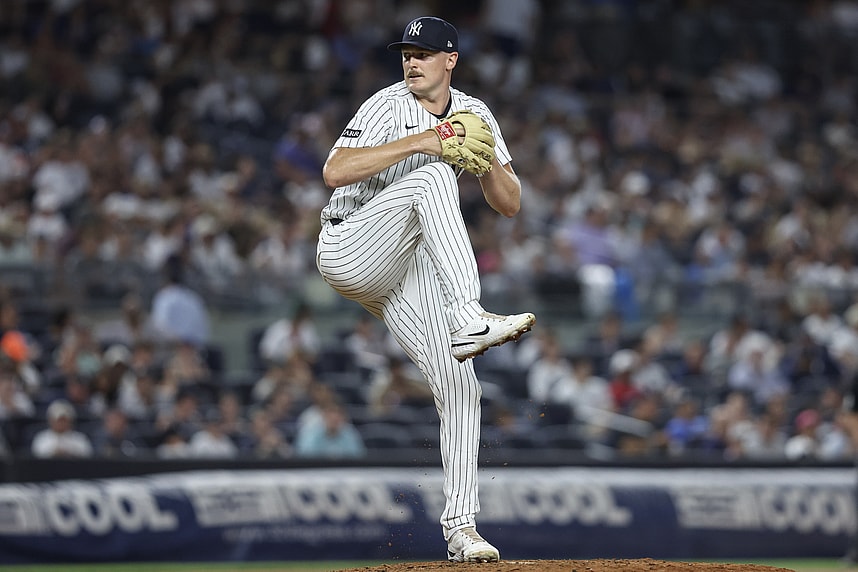
The slider is the headline, but it is not the whole story. Headrick pairs it with a fastball that now plays up and a splitter that gives hitters a different movement plane entirely. Three legitimate weapons, none of them gimmicks.
Usage is where the Yankees could get creative. Headrick leaned heavily on his fastball, throwing it roughly 64 percent of the time, with the slider closer to 25 percent. There is an argument to bump that slider usage slightly, especially against left-handed pockets.
The key word is slightly. Overexposure kills surprise. The Yankees know this, and Headrick’s success has come from sequencing, not spamming his best pitch.
Opportunity meets necessity
Headrick’s path to this point was not glamorous. Claimed off waivers before spring training, he arrived without fanfare and without guarantees. Those are often the pitchers who stick, especially in New York, where the bullpen needs arms that can handle unpredictability.
With Weaver and Williams gone, the Yankees have innings to replace and trust to redistribute. They can still add external help, and they probably should. But expanded responsibility does not always come from outside the organization.
Headrick earned more than a return ticket to the same role. The stuff, the metrics, and the composure all suggest a pitcher ready for a bigger ask.
The Yankees do not need him to be a savior. They need him to be what he already showed he can be, just a little more often. If they trust that version, the bullpen picture in 2026 looks less uncertain than it does right now.

More about:New York Yankees
