
 Andres Chavez
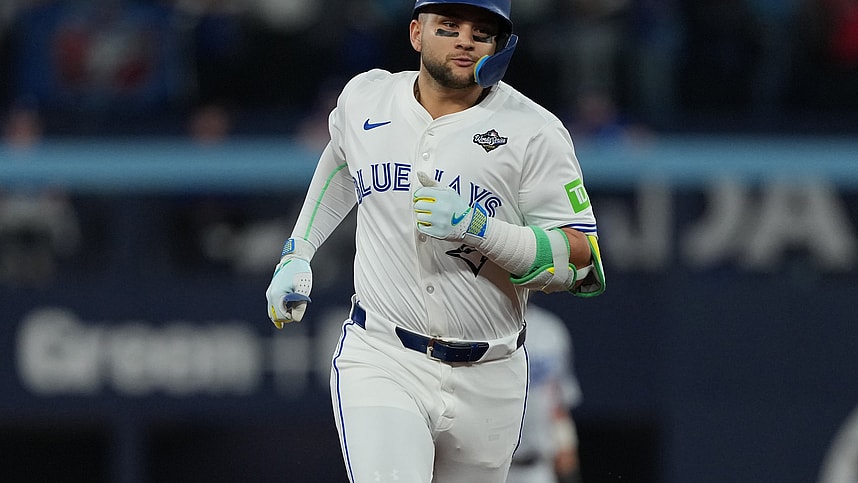
The New York Yankees have spent the last few offseasons walking a tightrope, trying to upgrade a roster built to win now without blowing a hole through the future. For 2026, that balancing act feels even tighter. They want impact, but they also want restraint. And those two ideas rarely get along.
One of the cleanest solutions is also the hardest to guarantee. Bringing back Cody Bellinger would stabilize the outfield, lengthen the lineup, and keep a lot of uncomfortable questions off the table. The problem is price. If the bidding escalates or a rival jumps the market, the Yankees could find themselves staring at an offseason pivot they would rather avoid.
That is where Bo Bichette enters the conversation.
Why Bichette fits the Yankees’ offensive profile
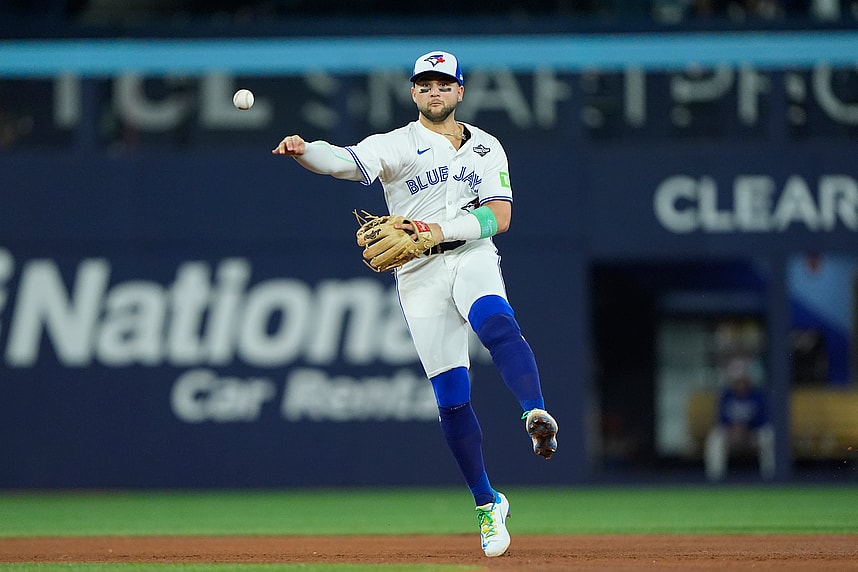
Bichette is not a classic Bronx slugger, but that might be part of the appeal. He is a right-handed hitter with consistent bat-to-ball skills, strong contact quality, and an ability to punish pitching from both sides. In 2025, he hit .311 with a 134 wRC+, 18 home runs, and 3.8 fWAR, production that plays in any lineup, especially one that can already lean on Aaron Judge for thunder.
The Yankees would love to have Bichette, a player who does not need to sell out for power to be productive. He lengthens innings, forces pitchers into mistakes, and does not disappear when the matchup turns unfavorable. That profile matters when October baseball shrinks margins and magnifies weaknesses.
The challenge is not whether Bichette can hit in New York. It is where he would play.
The Jazz Chisholm Jr. dilemma
The obvious reaction is to assume Jazz Chisholm Jr. becomes expendable. Anthony Volpe is not moving off shortstop and doesn’t have too much trade value right now, and Bichette’s defensive limitations make him a poor fit there anyway. Chisholm has drawn plenty of trade interest around the league, and his versatility makes him an easy name to float.
Joseph Randazzo of New York Yankees on SI pushes back hard on that idea. In his view, trading Chisholm simply to clear space would be malpractice unless the return is truly impactful. The Yankees should be trying to keep him, not rushing him out the door because the puzzle looks complicated.
That argument gains traction when you look at Chisholm’s athleticism and the way the roster could be reshaped around it.
An unconventional alignment that just might work
Randazzo lays out a configuration that feels strange at first and starts to make sense the longer you sit with it. If Bellinger is gone and Bichette arrives, Chisholm could slide into center field. Ryan McMahon and a platoon partner, likely Amed Rosario and Jose Caballero, would handle third base. Bichette shifts to second. Volpe stays at shortstop. Trent Grisham plays left field. Aaron Judge anchors right.
It is not pretty on a depth chart, but baseball rarely is in January.
Chisholm’s center field experience is more credible than many assume. He posted a 4 Outs Above Average in 2023 and a neutral mark in 2024. Defensive Runs Saved paints a less flattering picture, with minus-nine and minus-four in those same seasons, but the raw athleticism is real. He is not elite out there, but he is playable.
Bichette, meanwhile, would not be asked to defend shortstop. At second base, passable defense paired with excellent offense is a trade the Yankees can live with.
The upside of keeping the lineup intact
The real appeal of this alignment is what it preserves. It keeps Chisholm’s dynamic skill set in the lineup. It adds Bichette’s consistency. And it puts both around Judge, still the best to do it in right field and still the engine of everything the Yankees want to be.
Yes, it would take adjustment. Yes, there would be awkward moments. But roster creativity is often the price of staying competitive without burning down the farm or emptying the vault.
If the Yankees miss on Bellinger, this kind of thinking may be the difference between treading water and finding another path forward. Sometimes the cleanest solution is not the safest one.

More about:New York Yankees
