
 Andres Chavez
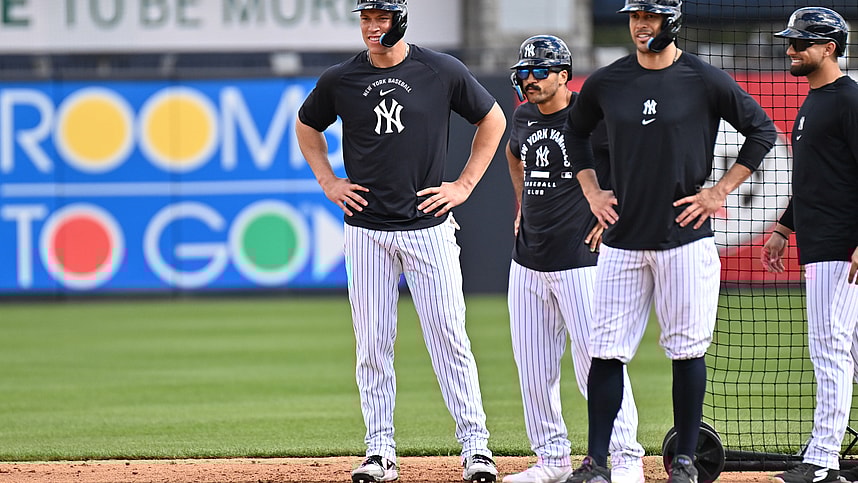
Aaron Judge just put the rest of baseball on notice, and I’m here for every second of it.
The Yankees captain told reporters on Monday that baserunning is front of mind this spring, and he’s eyeing a dramatic spike in his stolen base total. This isn’t some throwaway quote from media day—this is Judge openly telegraphing a strategic shift that could redefine how opposing teams pitch to him. And frankly, it’s about time.
Judge’s career-high in steals is 16, set back in 2022. He swiped 12 last season. But when the man himself is talking about guys like Juan Soto—who ranked 13th percentile in sprint speed yet still stole 38 bags—you know he’s done the math. The rules have changed. The game has changed. And Judge is smart enough to exploit it.

The New MLB Theft Economy Makes This Inevitable
Here’s what the front office already knows: with pickoff restrictions and the pitch clock neutering pitcher holds, we’re living in a golden age for baserunners. Judge referenced this himself, per SNY, pointing to “a lot of guys around the league with 40, 30 bases that you don’t usually normally expect to be running that much.”
He’s right. Recent rule changes turned stealing bases from a specialized skill into basic table stakes. Judge ranked in the 42nd percentile in sprint speed last year—decidedly average—but that doesn’t matter anymore. What matters is reading pitchers, getting jumps, and capitalizing on timing windows that didn’t exist three years ago.
I’m convinced Judge has been sandbagging his speed metrics. He’s an elite athlete who has consciously preserved his body over 162-game slogs. But if organizational buy-in exists for him to run more—and his comments suggest it does—then we’re talking about 25 to 30 steals. That’s not projection. That’s arithmetic.
The Lineup Context Makes This a No-Brainer
Judge laid it out himself: “With the lineup we have, this was probably the best offense in all of baseball last year. If I can find a way to get myself in scoring position, if they’re going to walk me or do something, then some good things are going to happen.”
Let’s decode that. The Yankees ranked first in MLB in runs scored last season at 815. Judge drew 124 walks—many of them intentional or semi-intentional. Now imagine he’s on second base instead of first for 20 extra at-bats.
The risk-reward calculus here tilts heavily toward reward. Yes, Judge is 34 years old and his body is a $360 million investment. But the Yankees aren’t asking him to become Rickey Henderson. They’re asking him to exploit pitcher timing and turn walks into doubles. That’s strategic, not reckless.
The Injury Concern Is Overblown
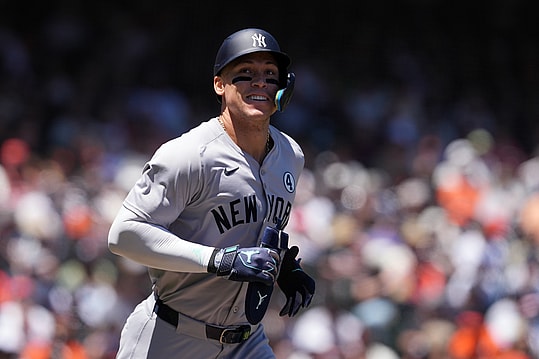
I get it—Yankees fans are already spiraling about Judge’s hamstring. But let’s be real: stealing bases isn’t what tears hamstrings. Poor conditioning and explosive first-step bursts do. Judge isn’t changing his body mechanics; he’s changing his decision-making on the basepaths.
The data tells me that guys who steal 20-30 bases don’t have significantly higher injury rates than guys who steal 10. What correlates with injury is top-end sprint bursts, which Judge will be doing regardless every time he runs out a double or stretches a single. The incremental injury risk of 15 extra steals is negligible.
What isn’t negligible? The havoc this creates for opposing batteries. Catchers will have to quicken their releases. Pitchers will rush deliveries. That disruption benefits every hitter in the Yankees lineup, not just Judge. This is second-order thinking, and Cashman knows it.
What 30 Steals Would Actually Mean
A 50-homer, 30-steal season from Aaron Judge would place him in rarefied air. Judge won’t reach 40 steals—let’s not get carried away—but 50-30 with a .300 average? That’s an MVP runaway.
If Judge is stealing 30 bases, it means the entire roster is green-lit to be aggressive. That philosophical shift matters more than any single signing.
The front office bet big on Judge’s durability when they handed him that contract. Now we wait to see if this gamble pays off—or if Aaron Judge just broke baseball’s risk-reward model for aging sluggers. Either way, pitchers better start holding runners. The captain is coming.

More about:New York Yankees
