
 Alexander Wilson
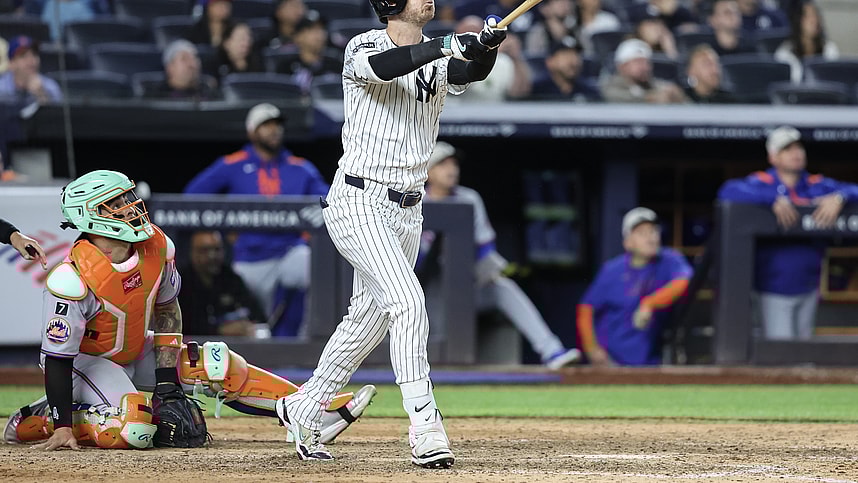
The New York Mets’ decision to flip Brandon Nimmo for Marcus Semien on Sunday carries serious weight. It wasn’t just a trade. It was a recalibration of the roster, the payroll and the team’s offseason priorities in one sharp pivot.
On the surface, swapping two expensive veterans might look like a lateral move. But dig a little deeper and the motivations — and opportunities — become much clearer.
Why Semien solves a problem the Mets couldn’t ignore
Marcus Semien is not the hitter he once was. His .230 average, 15 homers and 62 RBIs last season paint a picture of a declining offensive contributor. That 89 wRC+ backs it up — 11 percent below league average.
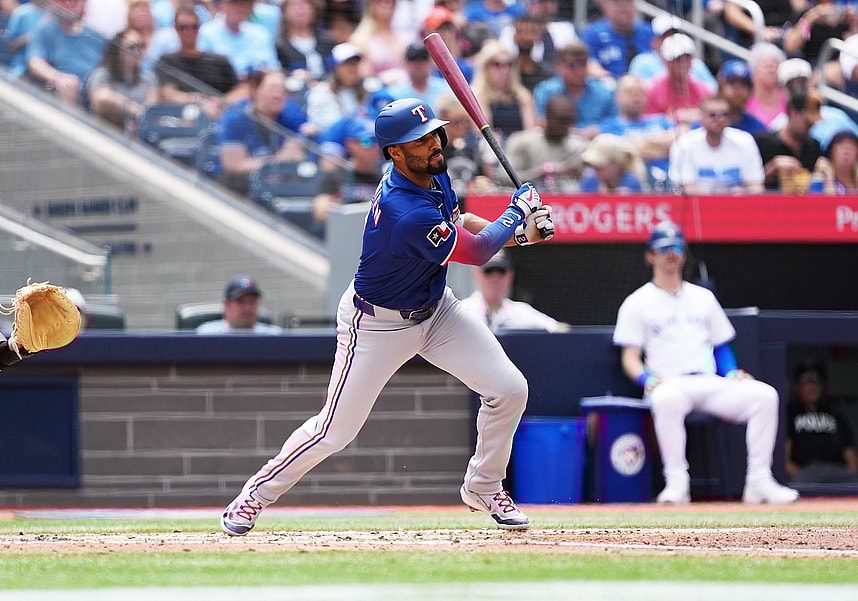
But the Mets didn’t make this trade for his bat.
Semien played gold glove–caliber defense at second base, logging 1108.1 innings with five defensive runs saved and seven outs above average. He stabilizes a position the Mets have been trying to reinforce for years. His glove still plays at an elite level, and his leadership carries weight in any clubhouse he joins.
He’s under contract through 2028 at $25 million per season. It isn’t cheap, but it’s a shorter, more predictable commitment than Nimmo’s eight-year deal that runs through 2030.
And that matters.
Why moving Nimmo opens the real door: the outfield
Letting go of Brandon Nimmo wasn’t an easy call. The 32-year-old hit .262 with 25 homers and 92 RBIs in 2025, continuing to offer a blend of on-base skills and occasional pop.
But his long-term deal tied up both payroll and roster structure, and the Mets were crowded in the outfield even before this winter began. Moving Nimmo isn’t just a reshuffle — it’s a signal. The Mets want a different look in the grass, and they want financial space to make it happen.
And that brings us to the big-name market.
Cody Bellinger becomes the obvious next step
With Nimmo gone, the Mets have a clear opening in the outfield. They also have a reason — and now the budget — to take a swing at someone who fits their timeline and style.
Enter Cody Bellinger.
The Yankees want him back. They’ve been positioning themselves for weeks to make that happen. But the Mets now have something the Yankees don’t: a glaring need, an unlimited checkbook, and a wide-open lane to make Bellinger their centerpiece move.
Bellinger is coming off one of his best seasons in years, hitting .272/.334/.480 with 29 homers, 98 RBIs and a career-low 13.7 percent strikeout rate over 152 games. He also posted 12 defensive runs saved and six outs above average across all three outfield spots. He’s not just a power bat. He’s a defensive asset. He’s versatile. He’s playoff-tested.
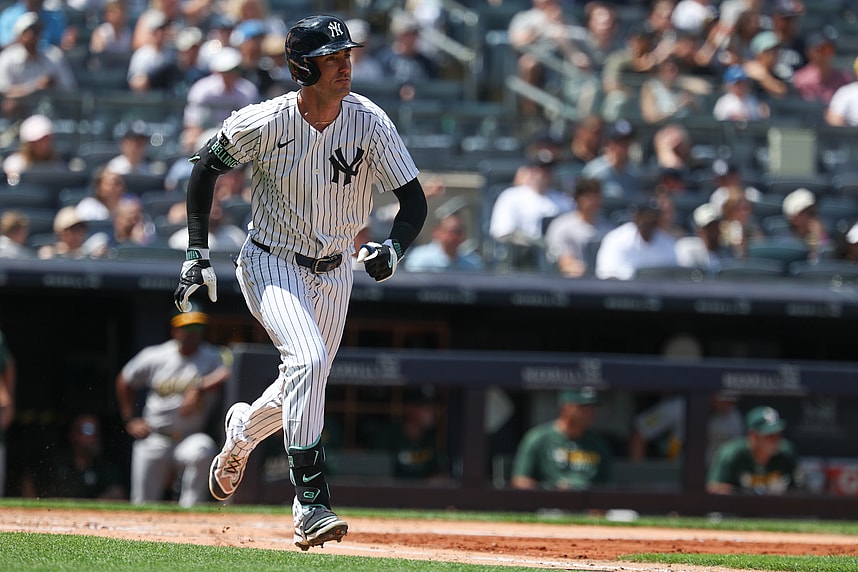
And he fits exactly what the Mets want: a two-way player who plugs multiple holes at once.
City Field isn’t as friendly to left-handed hitters, but it doesn’t erase Bellinger’s value. Of his 29 homers last season, 25 would have left the Mets’ ballpark. That’s more than enough to justify the contract he’ll command.
Steve Cohen is sending a message again
This move didn’t happen in a vacuum. It happened because Steve Cohen wants to build a winner now, not in three years. Trading Nimmo for Semien doesn’t just improve the infield — it clears the deck for a major outfield pursuit.
Whether that ends in Bellinger, Kyle Tucker or someone else entirely, the Mets have positioned themselves to add another star.
And they’ve made the Yankees sweat for the first time this offseason.
The pivot is bold. It’s calculated. And it suggests the Mets aren’t anywhere close to finishing their winter shopping.
If anything, this might just be the opening act.

More about:New York Mets New York Yankees
