
 Andres Chavez
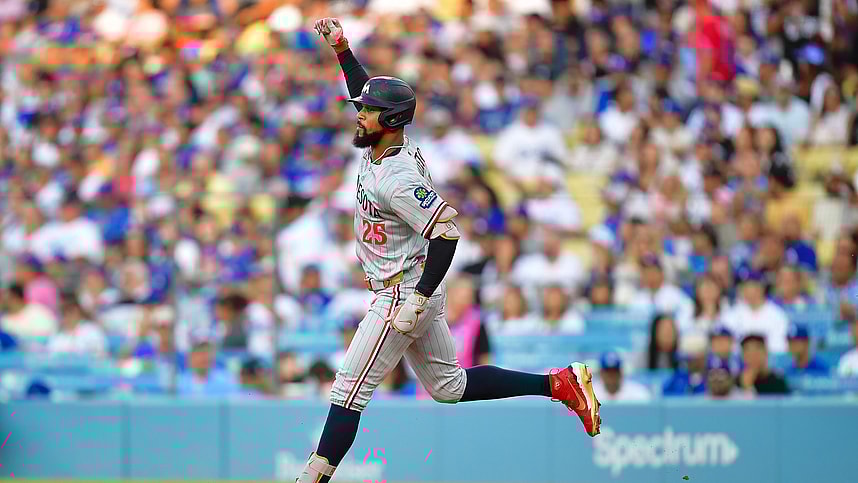
The New York Mets’ trade deadline ended with a move that felt more like a safety net than a statement.
They added Cedric Mullins from the Orioles in a low-risk deal, filling a glaring need in center field—yet it was clear he wasn’t their first choice.
Mullins arrived in Queens with a respectable 104 wRC+ in 91 games for Baltimore, along with 15 homers and 14 steals.
His glove is passable, his speed a weapon, and his experience invaluable. But so far, the bat hasn’t made the trip—he’s just 1-for-12 (.083 average) in his first four games as a Met.
Still, given the alternatives the Mets were trotting out, Mullins represents an upgrade. He gives them a toolsy guy up the middle and some long-overdue athleticism.
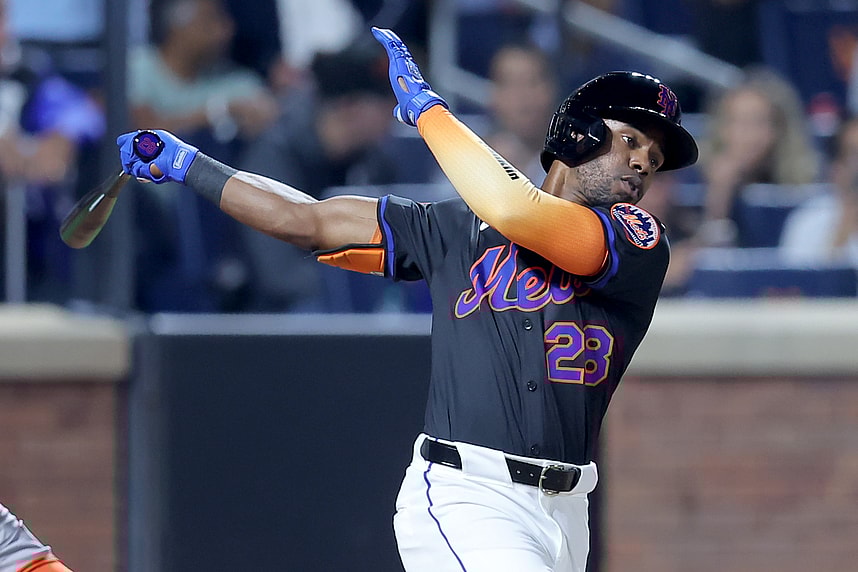
Byron Buxton: The Star That Got Away
But Cedric Mullins wasn’t Plan A—not even close. The Mets shot higher, much higher. According to Dan Hayes of The Athletic, New York was one of six teams to approach Byron Buxton’s camp about waiving his no-trade clause. Alongside the Braves, they reportedly showed the most serious interest.
The Twins’ star center fielder, known for his blazing speed and tantalizing power, has been electric in 2025, putting together a campaign that finally showcases his full potential.
He’s slashing .282/.343/.561 with 23 home runs and 17 stolen bases—good for a 145 wRC+ and a sparkling 3.9 fWAR.
That kind of production is exactly what the Mets have lacked in center field all season. Buxton would’ve been an injection of power, speed, and elite defense—an instant game-changer.
Buxton’s Loyalty Keeps Him in Minnesota
Buxton, however, had other ideas. The 31-year-old made it clear he intends to remain a Twin for life. He told reporters he wasn’t going to waive his no-trade clause, shutting the door on any midseason move with finality.
His loyalty is admirable, especially in an era where players often chase better contracts or championship rosters. But for the Mets, it was a punch to the gut.
They weren’t just looking to improve center field—they were hunting for a star to reshape their outfield identity.
Buxton is under contract through 2028, making him far more than a deadline rental. Any deal for him would have required a massive haul of top prospects, assuming he even agreed to it.
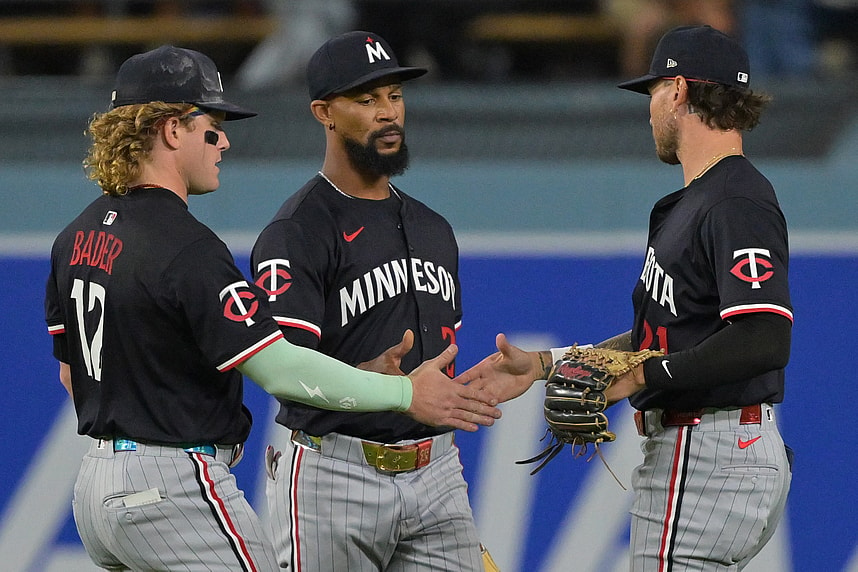
A Pivot Toward Luis Robert Jr., Then Mullins
Once Buxton made his intentions known, the Mets turned to another elite option: White Sox slugger Luis Robert Jr. Talks reportedly progressed, but eventually fizzled—likely over Chicago’s steep asking price.
That led them to Mullins, a more modest acquisition, both in cost and ceiling. It wasn’t flashy, but it was necessary.
You can’t run a playoff race with a black hole in center field, and Mullins—while streaky—is at least competent and occasionally dynamic.
Think of the Mets’ outfield situation like a broken engine: Buxton was the dream upgrade, Robert the high-end replacement, and Mullins the dependable used part that’ll keep the car running—for now.
What the Missed Buxton Deal Really Means
The failed pursuit of Byron Buxton isn’t just a footnote—it’s a window into the Mets’ mindset. This wasn’t a team content with patchwork. They were ready to swing big, take on salary, and trade talent for impact.
It also signals belief in their current core. With Pete Alonso mashing and Francisco Lindor anchoring the infield, adding Buxton could’ve been a transformational move for the franchise.
That level of ambition speaks volumes, even if it didn’t pan out.
Cedric Mullins may not carry the same star power, but he doesn’t need to. He just needs to stabilize the ship while the Mets chart a bigger course for 2026 and beyond.
READ MORE: Mets had ‘substantial’ talk with Athletics over 100 MPH closer

More about:New York Mets
