
 Andres Chavez
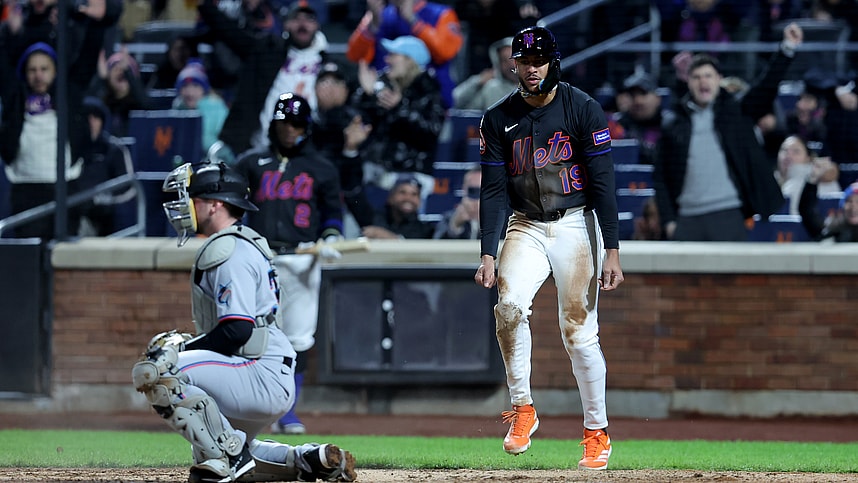
The New York Mets have waited months for Jose Siri to heal, and now, finally, there’s a spark of optimism.
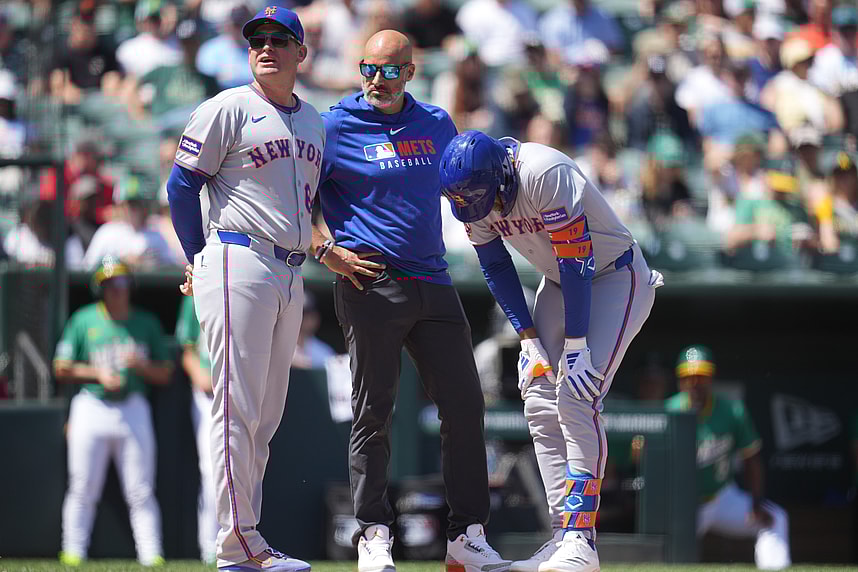
Siri’s fractured tibia in mid-April ripped a defensive anchor out of center field, and the void never fully closed.
Tyrone Taylor did his best, but the load was heavy and exposed the team’s lack of outfield depth.
Jeff McNeil shuffled between positions, while Cedric Mullins arrived via trade to help plug the gap in center.
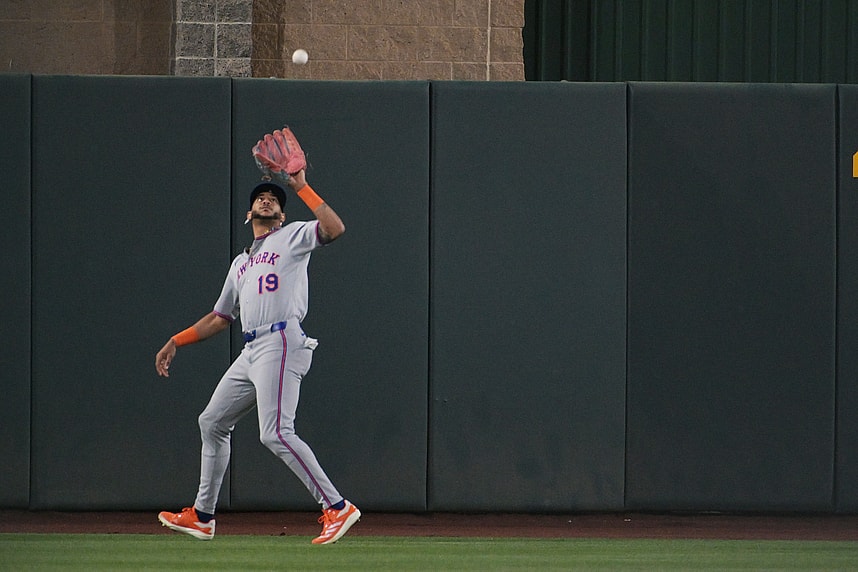
But the truth remained obvious—none of them could match Siri’s range, instincts, and fearless approach in center field.
In baseball terms, losing Siri was like removing the keystone from an arch: everything else shifted and felt unstable, defensively speaking.
Setbacks tested Siri’s patience and the Mets’ depth
Siri’s rehab was never straightforward. A mid-June setback forced him to shut things down just as progress was visible.
That pause was frustrating. The team hoped for an earlier return, but the bone simply wasn’t ready to take full stress.
Still, Siri didn’t fold. He kept working behind the scenes, strengthening the leg, staying active, and keeping his mind sharp.
For a player whose game depends on speed, balance, and burst, patience was the only real weapon during that stretch.
Now, at long last, that patience is paying off. Siri is expected to begin a minor league rehab assignment next week.
As Mets insider Anthony DiComo reported, Siri will start getting real at-bats again—an enormous milestone in his recovery.
Why a rehab assignment matters more than just timing
Fans might wonder: why not just activate Siri the second he’s cleared? Because timing and rhythm can’t be rushed.
Siri has been away from live pitching for nearly four months. That’s a lifetime in baseball terms for a position player.
He’ll need dozens of at-bats to get his swing back, sharpen his reads, and regain the fluidity of game action.
Minor league games give him the freedom to fail, experiment, and make adjustments without the glare of big-league lights.
It’s not just about proving he’s healthy—it’s about re-learning how to compete after months of controlled, careful training.
What Jose Siri brings that the Mets sorely miss
Before the injury, Siri’s offensive numbers were brutal: a .050 average and a .308 OPS in only twenty at-bats.
But that’s too small a sample to judge a player whose value lies mostly in defense, speed, and occasional power.
Siri won’t compete for batting titles, but his glove changes innings. His routes are sharp, his jumps instinctive, his arm underrated.
He’s also a sneaky weapon on the bases. When healthy, he can swipe ten to fifteen bags across a full season.
Late in games, Siri becomes a chess piece. He can replace Mullins defensively without worry.
The Mets haven’t had that kind of luxury in months. Every late-inning defensive move felt like a compromise.
Fitting Siri back into the puzzle
Of course, once Siri is ready, the Mets will face a roster decision. Who sits? Who shifts? What’s the best alignment?
That’s a problem they’ll gladly welcome. Depth problems aren’t headaches; depth solutions are blessings—especially in a playoff race.
For now, the goal is simple: let Siri play, let him move freely, and let him rediscover his defensive swagger.
If all goes well, he could rejoin the big-league roster in early September, just in time to make a meaningful impact.
Even without guarantees, the fact that he’s this close already feels like a quiet, crucial victory for the New York Mets.
READ MORE: Mets’ star prospect keeps dominating Triple-A and might be an option for the majors this year

More about:New York Mets
