
 Andres Chavez
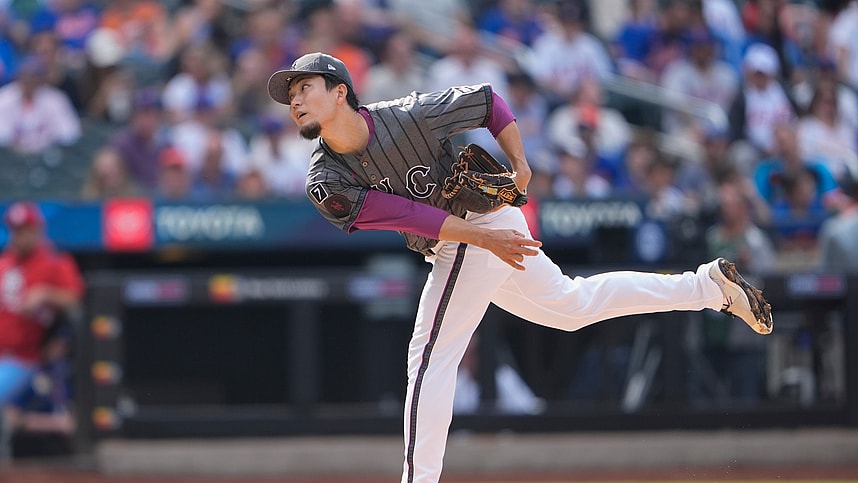
Trading Kodai Senga might help the New York Mets clear up a spot, plus salary relief, to pursue fellow Japanese Tatsuya Imai, but it’s harder in real life than it is on paper. Another starter, Sean Manaea, could help stabilize the staff now that he’s fully healthy. Let’s examine Monday’s news!
Mets could execute a strategic trade to clear the path for Tatsuya Imai
The Mets’ offseason isn’t about sentiment anymore — it’s about control, timing, and long-term leverage. David Stearns has already proven he’s willing to sever emotional ties in pursuit of a roster that fits his vision, and that philosophy may soon extend to Kodai Senga.
While Senga’s 2025 numbers look solid on the surface, deeper metrics tell a shakier story: diminished velocity, a sharp dip in strikeouts, rising walks, and an increasing reliance on batted-ball luck. Combined with a concerning health track record, the warning lights are flashing at exactly the moment his value may still be near its peak.
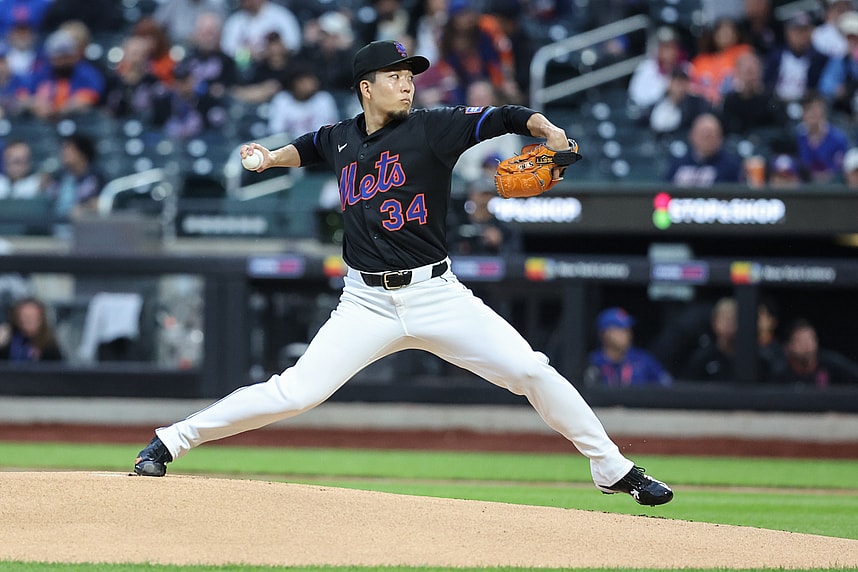
That context makes a potential pivot to Japanese ace Tatsuya Imai especially compelling. Younger, healthier, and armed with elite velocity and a rare four-pitch mix, Imai represents the type of high-upside bet Stearns prefers — one aligned with both competitive urgency and future flexibility. Moving Senga now to reset payroll and acquire a more explosive arm wouldn’t be a teardown move; it would be a calculated exchange of risk profiles. If this is the next step in the Mets’ transformation, it’s a bold one — and very on brand.
Mets have the perfect bounce-back candidate in Sean Manaea
Sean Manaea’s Mets tenure has already contained both extremes: a stabilizing, playoff-driving breakthrough in 2024 and a derailed, injury-marred follow-up in 2025. What made his earlier success feel real wasn’t luck — it was mechanical adjustment, confidence, and uninterrupted preparation. When injuries crept in last spring, that foundation cracked, leading to diminished command, shorter outings, and a season that never quite reset itself.
Now, with surgery avoided and a normal offseason underway, Manaea enters 2026 facing quieter but sharper stakes. The rotation is deeper, younger, and less forgiving, meaning his margin for error is slimmer than ever. But this isn’t about reinvention or chasing validation. It’s about proving that the pitcher who once anchored a playoff run still exists when his body allows him to prepare on his own terms. For both Manaea and the Mets, restoration — not reinvention — is the bet.
Power ranking the Mets’ top 3 free agent starting pitchers still on the market
The Mets’ slow-play approach to the pitching market isn’t hesitation — it’s skepticism. David Stearns has little interest in paying premium prices for arms whose underlying metrics hint at decline. Framber Valdez’s heavy contact profile and Ranger Suárez’s shrinking velocity both carry significant downside masked by respectable ERAs, while Zac Gallen profiles more as a temporary patch than a transformational addition. None of them offer the blend of certainty and upside the Mets are targeting.
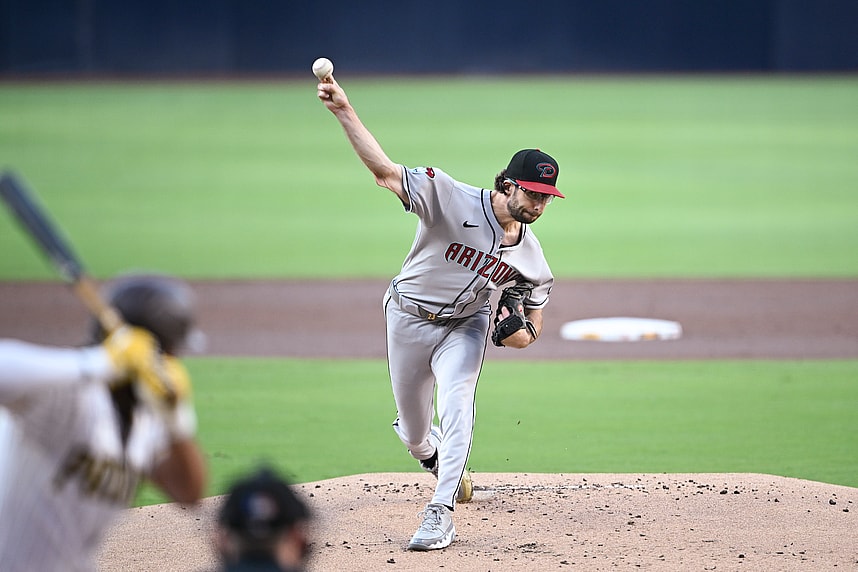
That’s why Imai continues to loom as the most intriguing alternative. Younger, cheaper in the long view, and armed with swing-and-miss stuff rarely available without long-term risk, Imai fits Stearns’ preferred calculus far better than aging domestic options. If the Mets ultimately bypass this flawed free-agent class altogether, it won’t be passive roster management — it will be a deliberate refusal to buy into decline. The real move may come elsewhere, where true difference-makers still exist.

More about:New York Mets
