
 Andres Chavez
The New York Mets announced a long list of 29 players currently not on the roster who have been invited to spring training in Port St. Lucie. Meanwhile, MJ Melendez can be a sneaky important addition and Christian Scott could help save the rotation. Let’s dive into the news!
Mets announce long list of non-roster invitees to spring training
David Stearns’ Mets aren’t pretending a season can be survived with a neat 26-man roster. The flood of 29 non-roster invitees to Port St. Lucie underscores a front office that understands modern baseball is about attrition as much as talent. This group isn’t window dressing; it’s a pressure cooker designed to build redundancy, especially for a bullpen and bench that will be stress-tested by injuries and fatigue.
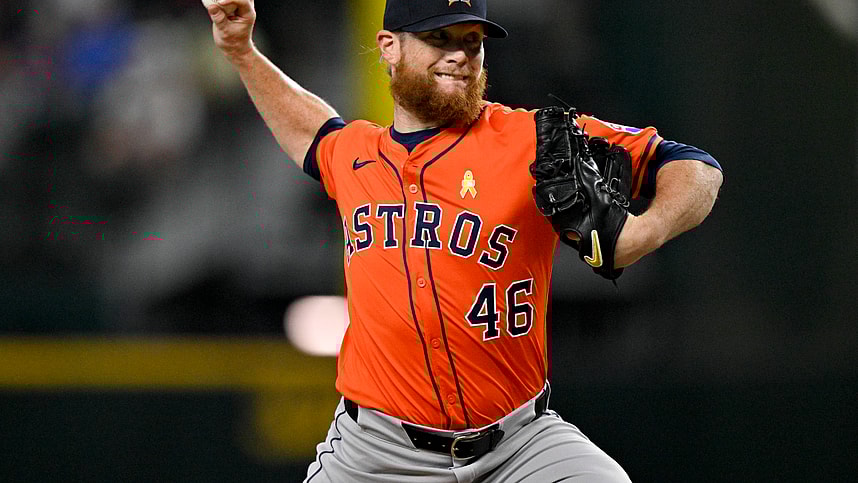
Veterans like Craig Kimbrel and Austin Barnes embody the “last gasp” philosophy. Kimbrel, even at 37, represents a possible solution to a bullpen missing Edwin Díaz, offering experience and a potentially useful arm if anything remains in the tank. Barnes, meanwhile, isn’t about offensive upside but stability—an insurance policy behind Francisco Álvarez who brings championship pedigree and pitching-staff management at a bargain price.
The other half of the camp is about forcing the future forward. Prospects like Carson Benge and Ryan Clifford are being thrown into the deep end, with real roster paths available if they prove ready. Add in high-upside health gambles like Adbert Alzolay and Nick Burdi, and the theme becomes clear: this camp isn’t about finding one savior, it’s about constructing a roster floor sturdy enough to survive the long season.
Why the Mets landing MJ Melendez was a high-upside move
At face value, signing MJ Melendez after a disastrous 2025 looks like bargain-bin shopping. In reality, it’s a classic Stearns buy-low swing. Melendez is still just 27, still hits the ball extremely hard, and still owns the kind of raw power that can change games—if the contact issues can be tamed.
The Mets aren’t ignoring the red flags. The strikeouts and whiff rates are alarming, but the underlying batted-ball data tells a different story: elite bat speed and loud contact when he connects. The bet here is that the Mets’ hitting infrastructure can help him rediscover even a fraction of his 2022 form, which would instantly make him a dangerous left-handed bench weapon.
What truly makes Melendez valuable is his versatility. A catcher by trade who can handle corner outfield spots and even first base, he gives Carlos Mendoza flexibility to manage late-game matchups aggressively. If Melendez clicks, the Mets don’t just get depth—they get a multi-position chess piece who could quietly swing games in the middle innings.
How Christian Scott could save the 2026 Mets rotation
Christian Scott has faded from the spotlight after losing all of 2025 to hybrid Tommy John surgery, but that absence may work in the Mets’ favor. Nearly two years removed from competitive innings, he enters 2026 with a refreshed arm and without the pressure that once followed him as a fast-rising prospect. In a rotation already heavy with established names, Scott can reemerge as a luxury rather than a necessity.
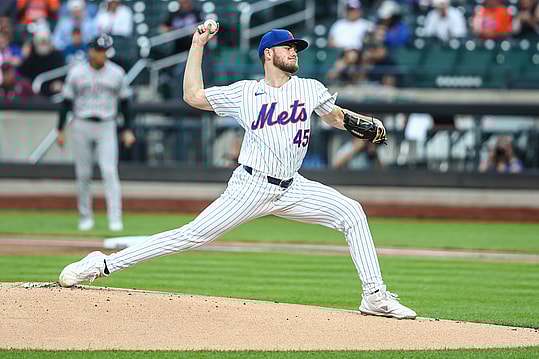
His brief 2024 debut showed more promise than the surface numbers suggested. Elite extension allowed his average fastball velocity to play up, and his command stood out immediately—Scott didn’t beat himself, even against big-league hitters. While his secondary pitches still need refinement to miss more bats, the foundation of strike-throwing and deception gives him a high baseline.
Projections disagree on his exact role, but that uncertainty highlights the Mets’ advantage. Scott can be eased in as a multi-inning relief weapon, a spot starter, or rotation depth when injuries inevitably strike. If his pre-surgery form returns, the Mets may find they’ve effectively added a deadline-quality arm without making a single trade.

More about:New York Mets
