
 Andres Chavez
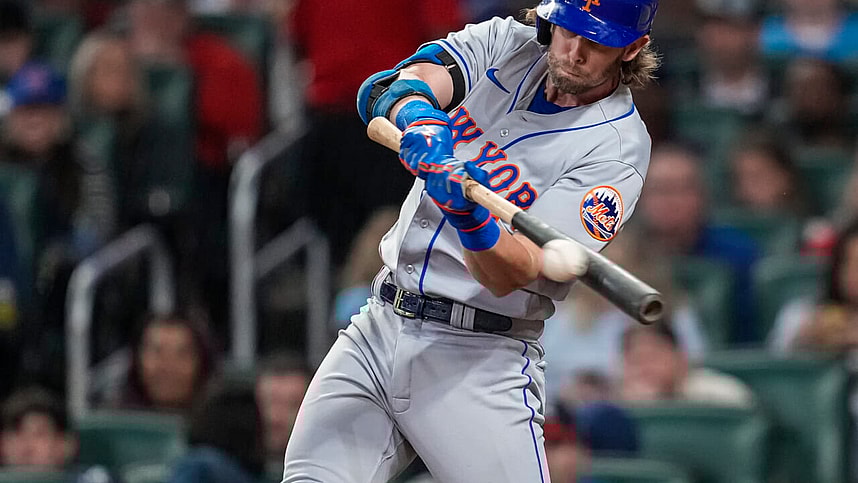
It finally happened: after months of speculation, the New York Mets traded versatile utilityman Jeff McNeil to the Athletics and got rid of his hefty salary, or at least a portion of it. They get a young pitcher in return. Meanwhile, the team introduced Jorge Polanco as creative buy-low solutions emerge.
Mets trade Jeff McNeil to Athletics opening up big void
The Mets finally made official what had felt inevitable for months, dealing Jeff McNeil to the Athletics in a move that prioritized roster clarity and financial flexibility over sentimentality. With McNeil entering the final guaranteed year of his contract, the trade allows New York to shed a significant salary commitment while bringing back a pitching prospect, Yordan Rodriguez, underscoring that this was more about clearing space and money than winning the transaction outright on paper.
McNeil’s 2025 production was still respectable, and his elite bat-to-ball skills never disappeared, but the underlying data painted a less forgiving picture. His contact quality cratered, leaving him dependent on placement rather than impact, a risky offensive profile for a player entering his mid-30s. The Mets ultimately decided that betting on a rebound no longer aligned with where the organization is headed.
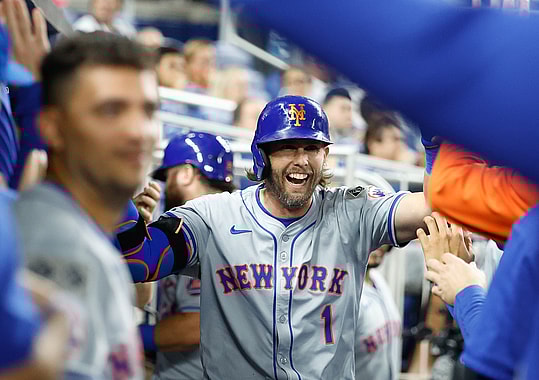
What stings most is the loss of McNeil’s defensive versatility, which had quietly held the roster together through injuries and lineup churn. Still, this move signals a clear philosophical shift under David Stearns: younger, more athletic pieces, and fewer emotional attachments.
Jorge Polanco explains why he joined the Mets and revealed how the team will deploy him
In the immediate aftermath of Pete Alonso’s departure, the Mets’ two-year, $40 million commitment to Jorge Polanco felt anything but accidental. Polanco leaned into that reality, framing his decision as one rooted in the Mets’ leadership core and win-now mentality, specifically citing Francisco Lindor and Juan Soto as the type of clubhouse anchors that attract veterans who want to contend immediately.
The Mets’ vision for Polanco is unusually specific: first base first, with supplemental time at DH and occasional infield flexibility. Despite minimal major league experience at the position, Polanco had already begun preparing for such a transition, and the team appears confident that his athleticism and preparation can bridge the gap defensively. The move is unconventional, but it is not improvised.
Ultimately, this signing is about redistributing value rather than replacing Alonso outright. Polanco is coming off a career year at the plate, and while his ceiling does not match Alonso’s power, his offensive consistency, lower cost, and flexibility give the roster breathing room. The Mets are accepting defensive risk in exchange for adaptability and lineup balance, betting that production can come in different forms.
Why the Mets should avoid a Luis Robert Jr. trade at all costs
As the Mets weigh how aggressively to upgrade the outfield, Luis Robert Jr. has emerged as a high-risk, high-variance trade target. With long-term deals like Cody Bellinger’s potentially stretching the payroll, Robert represents a more creative, buy-low alternative, albeit one that would likely require Chicago to absorb salary to make sense for New York.
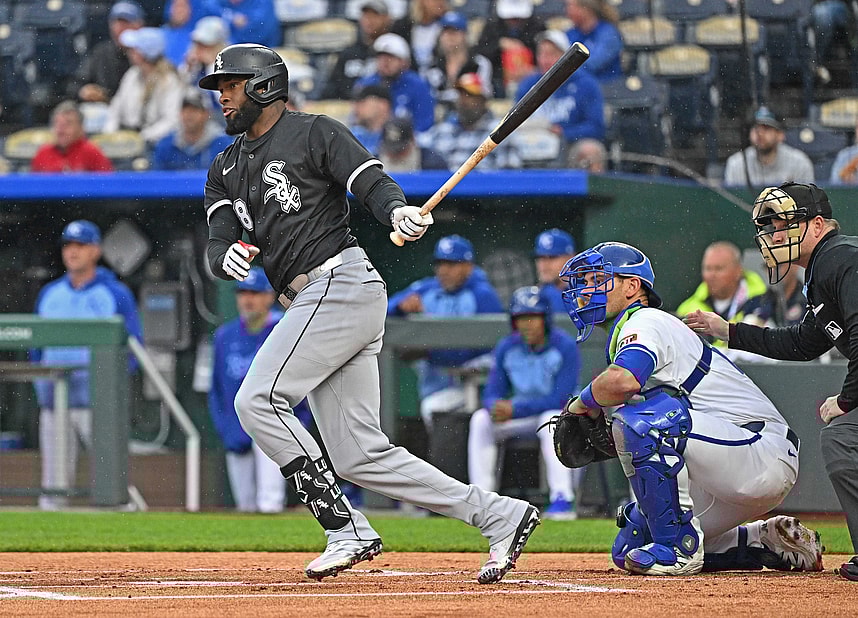
The concern is obvious: Robert’s offensive collapse over the past two seasons has been severe. Once a middle-of-the-order force, he has settled into well-below-average production, with strikeouts piling up and power dwindling. That regression has reframed him from cornerstone to reclamation project, making the cost in prospects a critical factor in any deal.
What keeps Robert intriguing is his elite defense and athleticism, which remain intact. He can still dominate center field and offers value as a platoon weapon, but his bat currently limits his impact on a championship-caliber roster. Unless the Mets are confident a change of scenery can unlock his peak form, acquiring Robert feels more like a hedge than a true step forward.

More about:New York Mets
