
 Andres Chavez
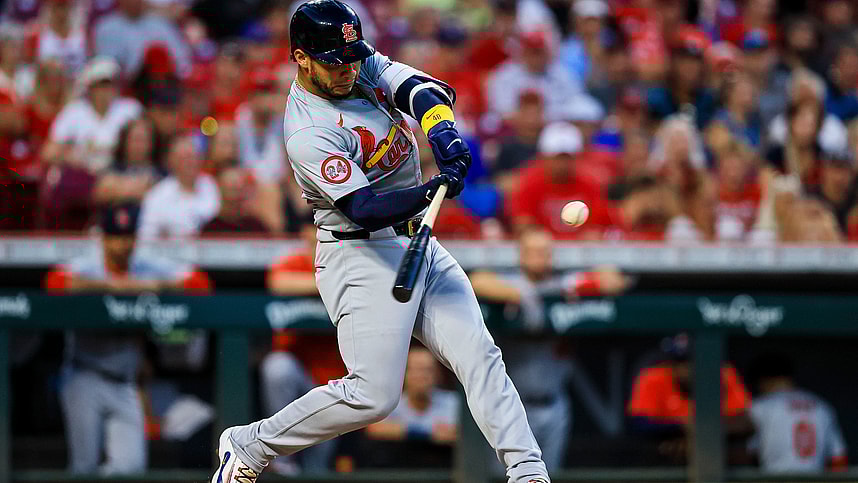
The New York Mets came relatively close to completing a trade for first baseman Willson Contreras, but the Red Sox beat them and got their man. Luckily for the Mets, two of their new players for 2026, Jorge Polanco and Marcus Semien, are projected to surpass 20 home runs. Let’s dive into Saturday’s news!
How the Mets let a massive trade for Willson Contreras slip away
The Mets’ slow-and-steady roster build hit a familiar snag when a clear positional fit slipped away. New York engaged the Cardinals about Willson Contreras as a potential solution at first base, only to see Boston close the deal first, aided by Chaim Bloom’s familiarity with the Red Sox system. It was the kind of move the Mets circled but ultimately didn’t finish.
Contreras would have checked nearly every box. Even at 33, he remained a high-impact bat in 2025 with 20 home runs, strong contact quality, and elite underlying metrics. Just as important, his defense at first base would have brought athleticism and stability to an infield that has lacked both. Instead, the Mets are left leaning on options like Mark Vientos and Jorge Polanco, neither of whom offers the same complete profile.
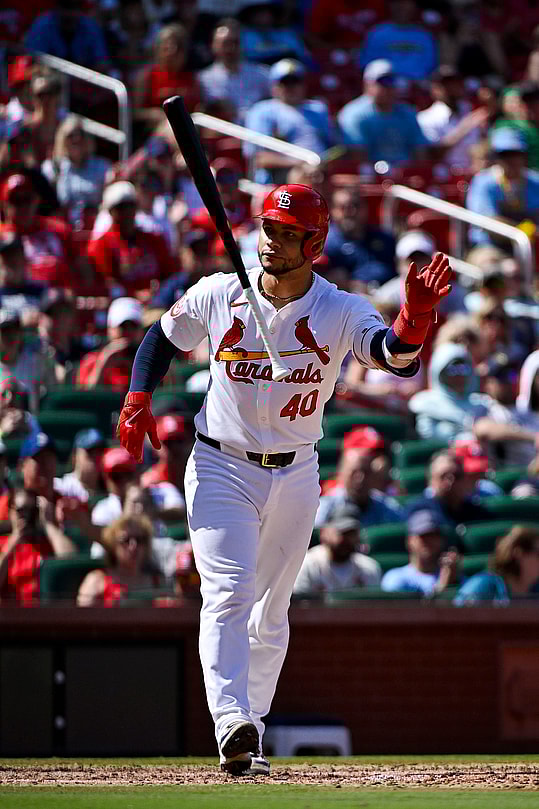
The failed pursuit of Contreras preserves flexibility and the farm system, but also leaves the major league roster thinner in the short term—especially when a player like Contreras felt like a rare overlap between need, production, and practicality.
Mets’ Newcomer Duo Projected to Clear 20 Homers Each
On paper, the Mets’ 2025 offense was one of baseball’s best, pairing elite power with a top-five wRC+. That context makes this winter’s departures feel heavier. Pete Alonso, Brandon Nimmo, Jeff McNeil, and Cedric Mullins are all gone, stripping the lineup of both muscle and familiarity in one sweep.
Rather than replacing that firepower directly, the Mets appear to be betting on redistribution. Marcus Semien and Jorge Polanco don’t replicate Alonso’s singular presence, but projection systems still see meaningful pop coming from both. Semien is forecast to rebound into the low-20s in home runs with strong overall value, while Polanco’s power remains legitimate enough that even limited playing time could yield impact results.
The approach isn’t flashy, and it doesn’t erase the anxiety that comes with losing a cornerstone slugger. But the numbers suggest the lineup isn’t hollowed out—just reshaped. The Mets are wagering that spreading production across the order can soften the loss of a superstar bat, even if it never feels quite as comforting.
Why the Mets signing Paul Goldschmidt could be a genius move
With their bigger pitching and outfield plans still unfolding, the Mets’ most immediate issue remains first base. After missing on Contreras, a more surgical solution has emerged: Paul Goldschmidt on a short-term deal. While no longer an MVP-caliber force, Goldschmidt still offers a very specific—and valuable—skill set.
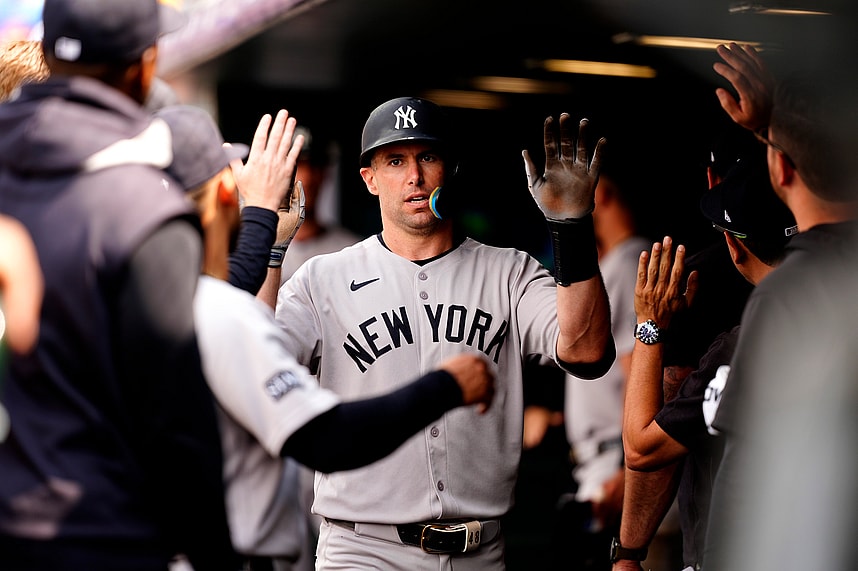
His appeal lies in matchup dominance. In 2025, Goldschmidt crushed left-handed pitching, turning platoon usage into a weapon rather than a compromise. For a Mets team likely to mix and match at first base, that kind of specialization could swing close games. Add in his steady hands and veteran presence, and the floor at the position rises noticeably.
Financially, the fit is just as clean. A one-year deal around $10 million would limit risk while addressing both offensive and defensive concerns. It wouldn’t be a headline-grabber, but it would be the kind of stabilizing move that quietly patches a weakness—something the Mets could use as they wait to strike elsewhere.

More about:New York Mets
