
 Andres Chavez
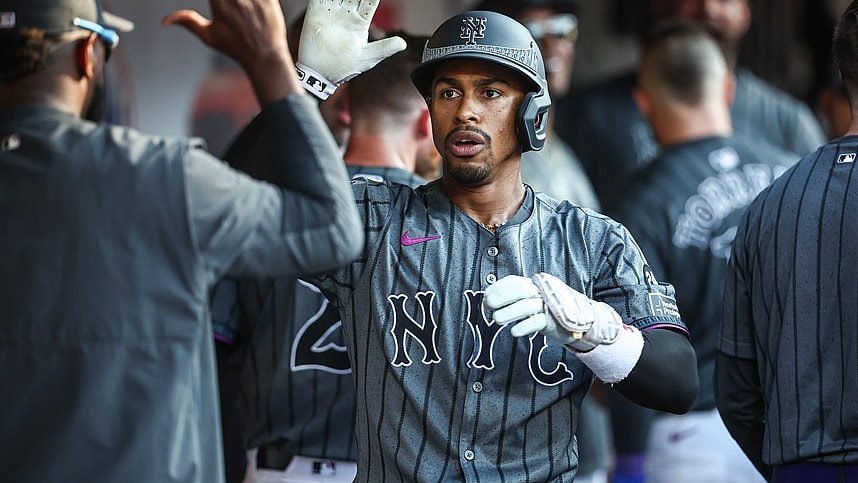
New York Mets star Francisco Lindor addressed Puerto Rican fans after missing the World Baseball Classic (WBC) due to insurance constraints. Meanwhile, Jonah Tong remains a building block for the future, which is why the organization firmly opposed including him in a trade package. Let’s dive into the news!
Mets star Francisco Lindor opens up about not participating in World Baseball Classic
The release of the World Baseball Classic rosters should have been a celebration in Queens, with as many as 17 Mets scattered across the tournament field. Instead, the biggest headline was who won’t be there. Francisco Lindor, the emotional center of Team Puerto Rico and one of the WBC’s most recognizable stars, has been ruled out—not by choice, but by insurance. Despite being fully committed to playing, Lindor’s recent elbow debridement procedures triggered a hard stop from insurers, who deemed him too risky to cover. It’s a stark reminder that in today’s version of international baseball, financial safeguards often override competitive spirit.
Lindor made it clear this wasn’t about motivation. His public message to Puerto Rican fans carried genuine heartbreak, emphasizing how deeply representing his country matters to him and how painful it is to watch from afar. His absence doesn’t just weaken Puerto Rico on the field; it strips the tournament of one of its most marketable and magnetic personalities. The situation feels like an overcorrection to past WBC injuries, particularly Edwin Díaz in 2023, with insurers now effectively sidelining any player who’s had recent surgery, regardless of current health.
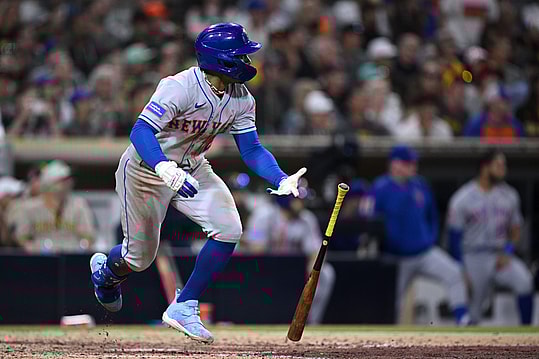
For the Mets, there’s an unspoken silver lining. Lindor stays in camp, avoids the emotional and physical toll of a deep WBC run, and enters the season fully aligned with the club’s long-term goals.
Jonah Tong: Why Mets’ David Stearns refused to include him in the Freddy Peralta trade
The Mets’ acquisition of Freddy Peralta was one of the defining moves of the offseason, instantly stabilizing a rotation that lacked a true anchor. While the prospect cost was significant, the most revealing detail came from what didn’t happen. According to reports, Milwaukee specifically targeted Tong, and David Stearns flatly refused. That decision speaks volumes about how the Mets view the 22-year-old right-hander—not as trade filler, but as a core future piece with ace-level upside.
Tong’s appeal lies in how closely his profile mirrors Peralta’s own path. His fastball doesn’t overpower hitters with triple-digit velocity, but its movement and “invisible” life make it unusually difficult to square up. Even during a rocky MLB debut, that pitch showed elite traits, while his Vulcan changeup already flashes as a legitimate out pitch. The problem wasn’t stuff; it was predictability. Major league hitters sat on the fastball because his breaking ball lagged behind, exposing the difference between raw talent and refined sequencing.
Rather than rushing him, the Mets are taking a deliberate approach. Tong is expected to open in Triple-A Syracuse, focusing on sharpening his curveball and expanding his arsenal. The strikeout numbers in the minors suggest the ceiling is real, and if that third pitch comes along, he transitions from intriguing arm to rotation centerpiece. Sproat may have offered a safer floor, but Tong offers something rarer: the potential to lead a staff. That’s why Stearns wouldn’t budge.
Is Bo Bichette the final piece of the Mets 2026 puzzle?
When the Mets went shopping for offense, they weren’t just looking for power—they needed a dependable hitter who could lengthen the lineup and punish pitchers for avoiding their stars. Bo Bichette fits that mold, but his arrival comes with a familiar question: which version shows up? After a disastrous 2024, Bichette’s 2025 rebound was loud and convincing, featuring a .306 average, strong on-base skills, and consistent availability. For a team that has often lived with right-handed volatility, that level of reliability is a luxury.
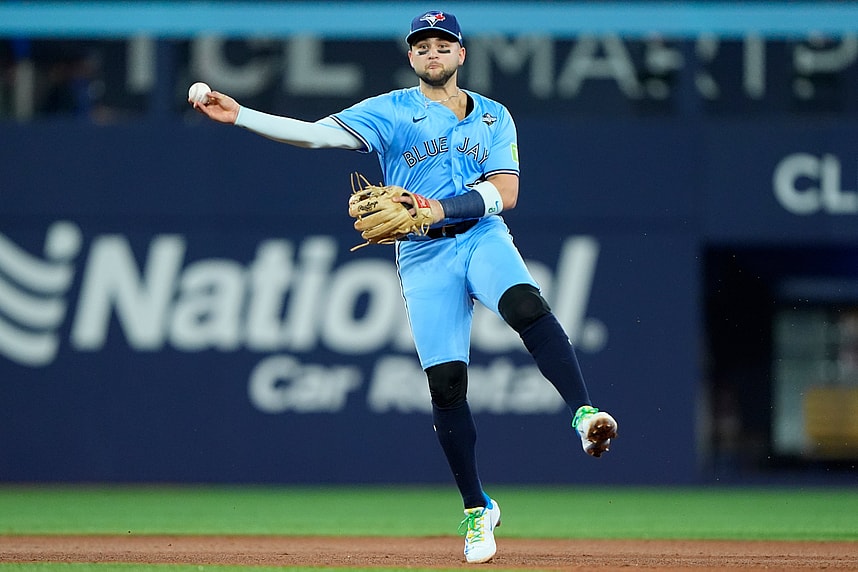
A deeper look confirms the bounce-back wasn’t smoke and mirrors. Advanced metrics paint Bichette as one of the game’s elite contact hitters, ranking near the top of the league in expected batting average and run value. His hard-hit profile and low strikeout tendencies reinforce the idea that his production is sustainable. Where the concerns resurface is on defense, where declining range, speed, and arm strength made shortstop untenable and forced the Mets to rethink his role.
That’s why 2026 will likely define Bichette more by where he plays than how he hits. Sliding him to third base is a calculated gamble: hide the defensive weaknesses while letting the bat do the heavy lifting.

More about:New York Mets
