
 Andres Chavez
The New York Mets have made huge strides with their roster construction this month, but there are still burning questions to answer from this point until Opening Day. Meanwhile, one of the newcomers, Freddy Peralta, threw some cold water on extension rumors. Let’s examine Tuesday’s news!
3 questions the Mets must answer before Opening Day
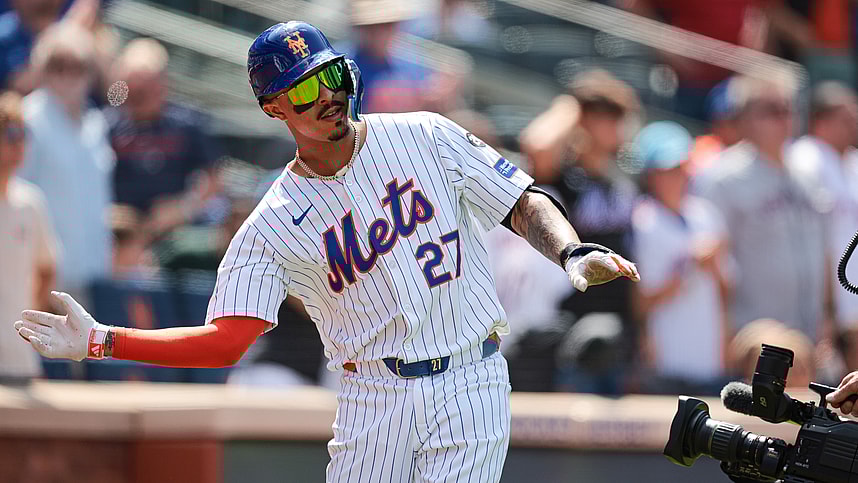
What looked like a franchise-wide teardown in December quickly morphed into a calculated overhaul once David Stearns started making real moves. The Mets flipped despair into direction by landing Luis Robert Jr. as a defensive cornerstone in center field and pairing him with a true frontline ace in Freddy Peralta, instantly reshaping the team’s competitive outlook.
A revamped bullpen and rotation transformed the Mets from passive participants into legitimate hunters, even if some of the lineup construction still feels unfinished.
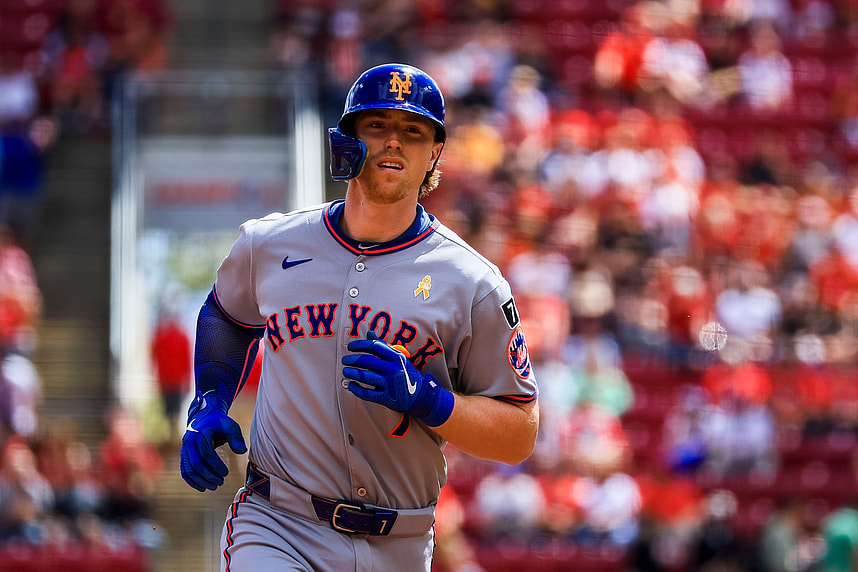
That unfinished business is concentrated in three places: left field, first base, and designated hitter. Brett Baty’s attempted transition into a multi-position weapon headlines a crowded left field competition, while Jorge Polanco’s learning curve at first base raises real defensive concerns.
Meanwhile, the DH spot remains fluid, tied closely to Mark Vientos’ future and possible trade scenarios. The Mets’ roster flexibility is intentional, but how these final pieces settle could determine just how high the 2026 ceiling actually is.
Mets: Freddy Peralta pours cold water on extension talks
The Mets didn’t empty their farm system for a short-term thrill, and the Peralta trade only makes sense if it leads to a long-term commitment. Giving up Brandon Sproat and Jett Williams signals that David Stearns views Peralta as more than a rental — he’s a pillar. At 29, coming off a Cy Young–caliber season with proven durability, Peralta checks every box for a rotation anchor in a true win-now window.
Both sides are publicly cautious about extension talks, but that restraint feels strategic rather than ominous. The real tension lies in balancing Peralta’s recent durability against his long-standing injury narrative, especially when a nine-figure deal is looming. If the Mets fail to lock him up, the trade becomes a gamble. If they do, it cements the foundation of Stearns’ long-term vision in Queens.
Why the Mets signed Devin Williams to a genius deal
Losing Edwin Díaz meant losing the spectacle, but Stearns wasn’t chasing vibes when he signed Devin Williams — he was chasing value. Williams’ ugly ERA from last season masks elite underlying metrics, and the Mets are betting that poor luck and bad defense, not declining stuff, drove his struggles. By paying setup-man money for closer-level peripherals, the front office is effectively wagering on one of the safest forms of regression in baseball.
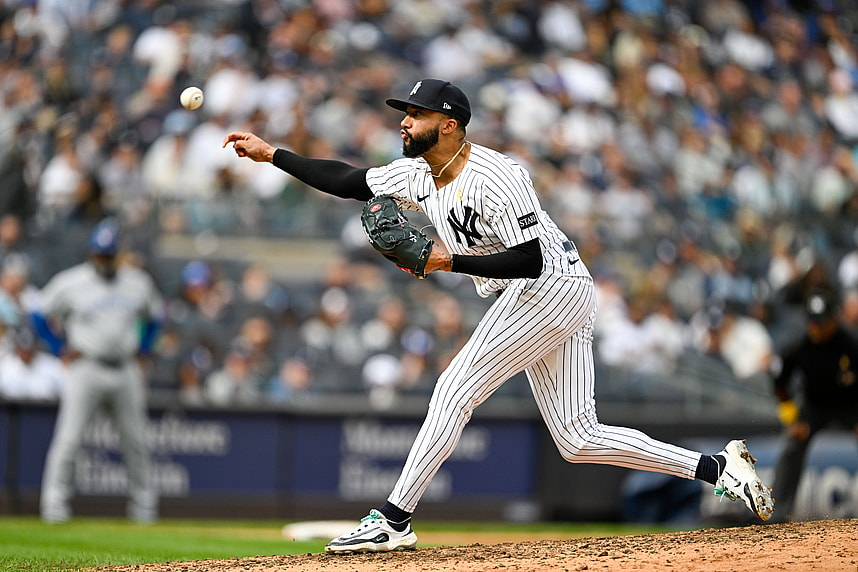
Williams represents a philosophical shift in the bullpen, trading pure velocity for movement and deception. His ground-ball tendencies will demand sharper infield defense, but the reward is a closer whose pitch profile still screams dominance. The Mets may no longer have the trumpets, but they might have found a more efficient, sustainable way to lock down the ninth inning — and one that fits Stearns’ data-driven blueprint perfectly.

More about:New York Mets
