
 Andres Chavez
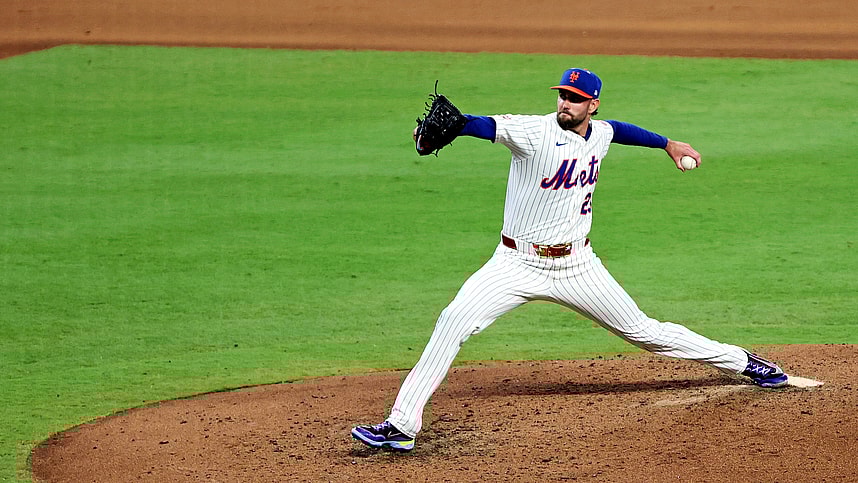
When the New York Mets take the field lately, there’s a growing sense of unease before the first pitch is even thrown.
For weeks, wins have been rare treasures, buried beneath a landslide of missed opportunities and mounting frustrations.
Since July 28, the Mets have managed only two victories against 12 crushing defeats, a collapse few saw coming in midsummer.
This stretch hasn’t just cost them momentum—it’s torpedoed their NL East lead and jeopardized their playoff positioning entirely.
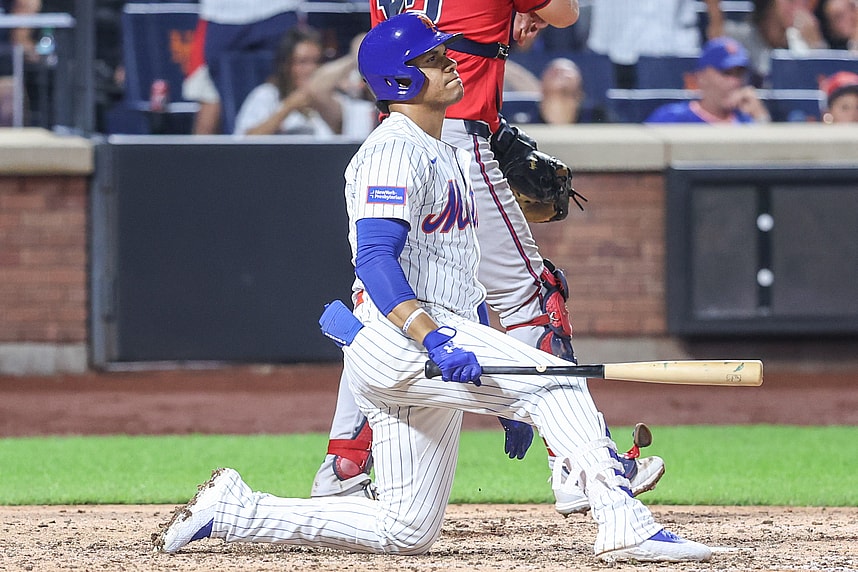
A team unraveling from multiple angles
The offense, once streaky but dangerous, has sputtered at critical moments, unable to string together consistent rallies when needed.
The bullpen, asked to shoulder more than its fair share, has let late-inning leads slip away like sand through open fingers.
Even manager decisions have come under fire, with questionable calls adding fuel to an already smoldering frustration among fans.
But perhaps the most alarming—and potentially fatal—flaw lies with the starting rotation, which has simply stopped going deep into games.
The harsh reality of overworked arms
MLB.com’s Anthony DiComo summed it up bluntly: the Mets desperately need starters to last longer in their outings.
“No MLB team has received fewer innings from its starters over the last two months,” SNY posted, quoting DiComo’s assessment.
During that same stretch, New York has endured the fourth-worst record in baseball, plummeting from 5.5 games ahead of the Phillies to five back.
Now, they cling to a razor-thin lead over the Reds for the final National League playoff berth, the cushion shrinking with every short start.
Game after game, the same costly pattern
On Wednesday, David Peterson failed to escape the fourth inning, surrendering six runs over just 3.1 painful frames.
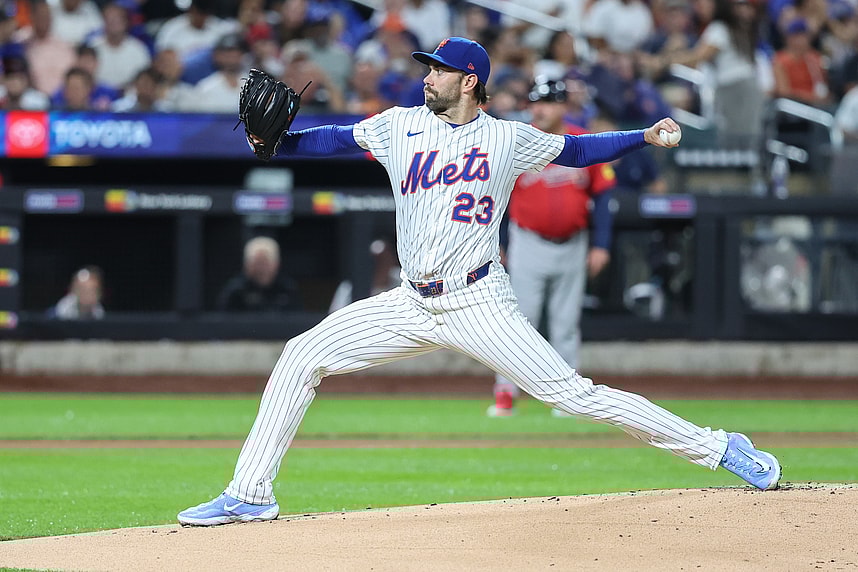
If not for Paul Blackburn’s five stellar innings of emergency relief, the bullpen would have been completely gassed for days.
Tuesday brought a similar story: starter Clay Holmes lasted just 3.2 innings despite the team managing to scrape out a win.
The bullpen covered 5.1 innings that night, adding yet another heavy workload to already taxed arms.
No rest in sight for relief pitchers
The previous weekend painted the same grim picture, each game feeling like déjà vu for Mets fans.
On Sunday, Sean Manaea was chased after four innings, allowing four runs that buried the team early.
Saturday’s bulk pitcher, Frankie Montas, fared even worse, lasting only three innings before being removed from the rotation entirely.
Even Kodai Senga, usually a dependable arm, could only muster 4.1 innings on Friday before giving way to relievers.
The toll of constant bullpen dependence
Peterson was actually the last Mets starter to reach six innings—over a week ago, a stat that underscores the team’s problem.
No club can realistically expect to win when its relievers are routinely asked to handle four to six innings a night.
Over time, even the most reliable bullpen arms wear down, velocity drops, and mistakes begin to pile up in big spots.
It’s like running a relay race where the starter hands off the baton almost immediately—eventually, the runners in back collapse.
Urgency rising as postseason clock ticks
With the schedule tightening and rivals closing in, the Mets’ margin for error has shrunk to nearly nothing.
A strong rotation isn’t just a luxury for playoff teams—it’s the engine that keeps the whole machine running.
Unless starters begin giving quality length consistently, the bullpen will remain overworked and the offense under pressure.
The next two weeks may determine whether this season ends in October glory or fades into a cautionary tale of squandered talent.
READ MORE: Mets manager shows total confidence in newest member of his rotation

More about:New York Mets
