
 Andres Chavez

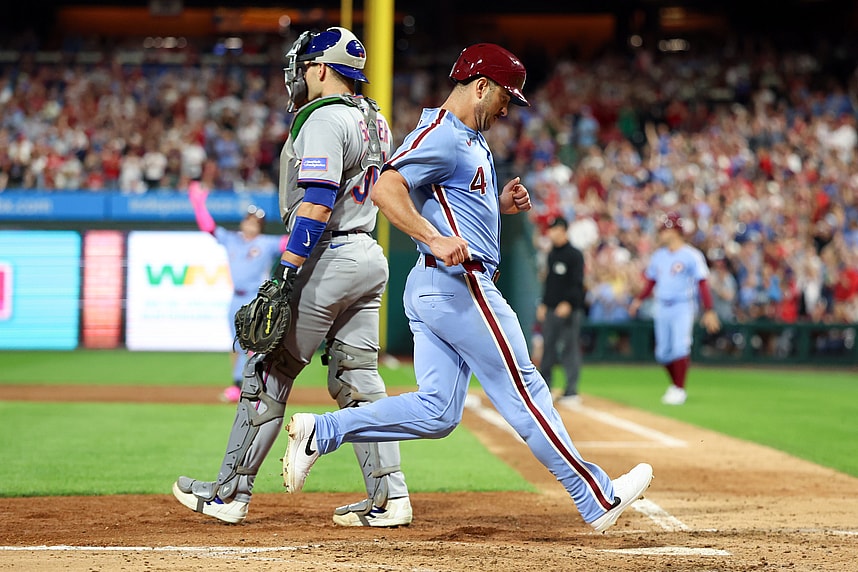
The New York Mets opened Thursday’s matchup against the Philadelphia Phillies with the kind of firepower that fans have been desperately waiting to see.
They plated four runs in the first inning, sending a ripple of hope through a fan base clinging to late-season dreams.
But just as quickly as the bats roared, they went silent, like a candle snuffed out in an unexpected gust of wind.
No one reached base for the rest of the night, and the Phillies completed a sweep that left the Mets at the ropes.
It marked the Mets’ sixth consecutive loss, and it came at the worst possible time for a team teetering on the edge.
Now sitting at 76-71, the Mets are barely clinging to the final National League Wild Card spot by just a game and a half.
Two hungry challengers, the San Francisco Giants and the Cincinnati Reds, are closing in on them with every passing night.
New York does hold the tiebreaker over the Giants, but they do not against the Reds, which only intensifies the pressure.
This once-confident group suddenly resembles a marathon runner stumbling down the final stretch while others are hitting their full stride.
Mendoza Faces the Music as Collapse Grows Louder
The Mets are not just losing games—they are unraveling in ways that feel bizarrely self-inflicted and hard to comprehend.
A team once defined by its ability to claw back now looks fragile, as small mistakes balloon into game-losing disasters.
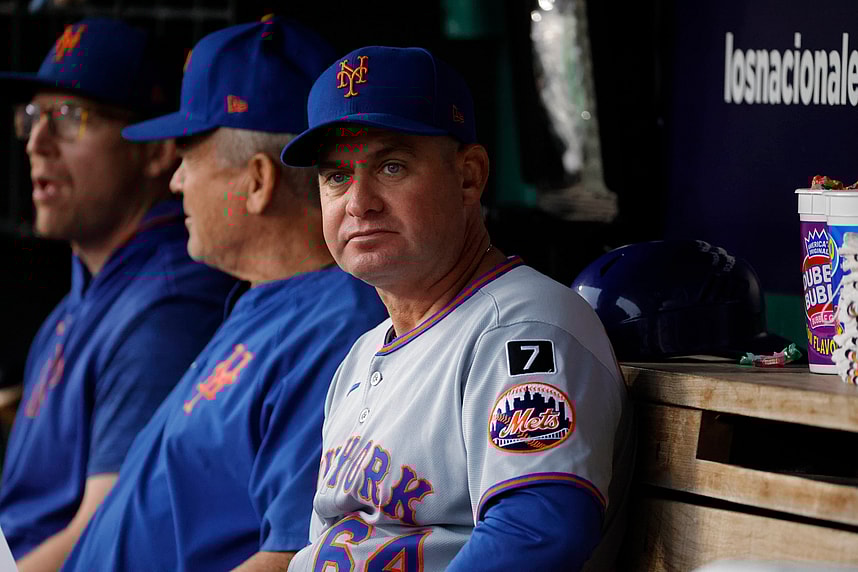
Carlos Mendoza, navigating his second season as the team’s manager, has faced this storm of criticism with an unflinching sense of accountability.
“I’m responsible. I’m the manager. It’s my job to get these guys going. And I will,” Mendoza said postgame.
His voice carried the sound of someone trying to hold together a crumbling structure with sheer will and belief.
Since June 13, the Mets have gone just 31-47, one of the worst records in baseball over that extended stretch.
The offense sputters, the bullpen implodes late, and the starting pitching has failed to give them any real stability.
It has created a perfect storm of dysfunction, and Mendoza is left trying to plug leaks on a ship battered by waves.
Every loss deepens the sense that this team is freefalling at the exact moment they need to soar.
Missed Deadline Moves Haunt a Fading Playoff Push
While injuries have played a part in this collapse, they are far from the sole reason for the Mets’ downfall.
Every contender endures injuries, yet New York’s front office misread the urgency of their situation at the trade deadline.
They opted against acquiring reliable starting pitching depth or a dynamic center fielder—needs that now glare brighter than stadium lights.
Instead, their deadline additions have underperformed, with Ryan Helsley and Cedric Mullins offering little impact during this crucial stretch.
The team was built with the idea that internal talent would surge, but the opposite has unfolded in frustrating fashion.
Rather than rallying together, nearly every section of the roster has regressed, leaving Mendoza with a fractured group to inspire.
He can shuffle the lineup and preach belief, but tactical moves mean little if the players don’t respond on the field.
Even Mendoza’s own in-game decisions are now under heavier scrutiny as each loss pushes the Mets closer to the cliff’s edge.
This is the defining test of his young managerial career—reversing a tailspin while the season’s clock runs out on him.
The margin for error is gone. The clock is ticking. And October is slipping further away with each passing defeat.
READ MORE: Mets must fend off teams fighting for spot in NL Wild Card race

More about:New York Mets
