Quinton Fesq
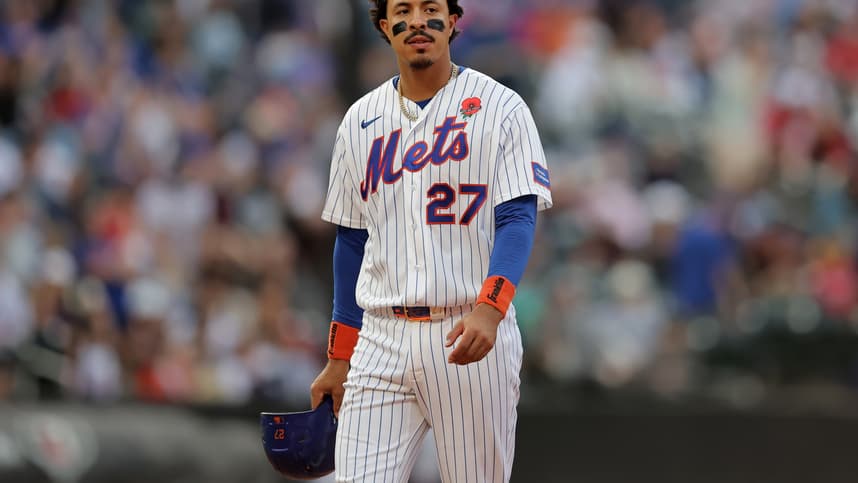
Mark Vientos is not just slumping anymore. He is forcing the Mets into a real role decision.
The Mets can still believe in the power. They can still remember the version of Vientos who looked like a middle-order answer. But the numbers since May 20 are ugly enough that patience cannot be the whole plan anymore.
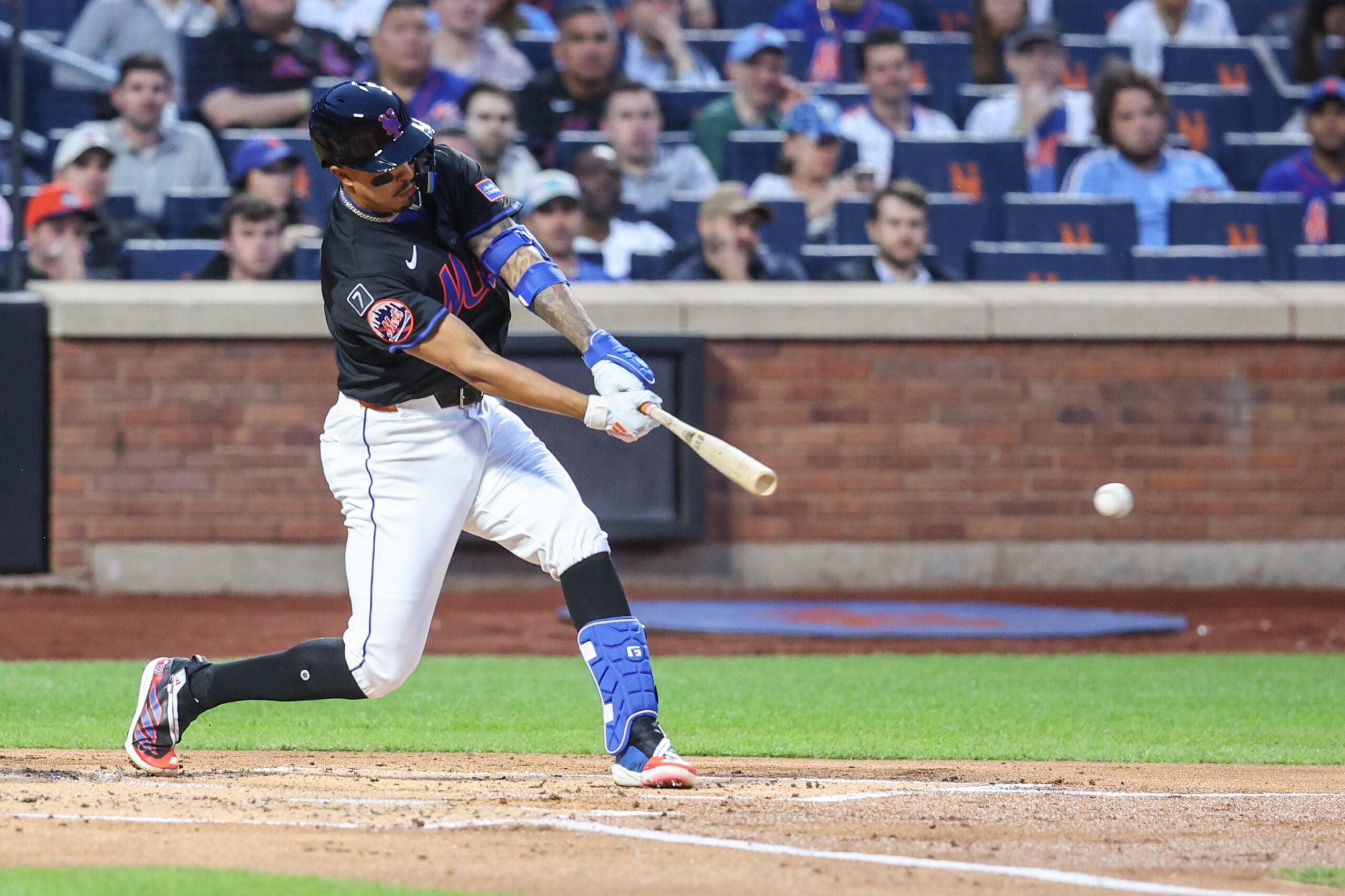
Since May 20, Vientos is hitting .135/.151/.231 with a .382 OPS. He has seven hits in 52 at-bats, one homer, four RBIs, no walks, and 16 strikeouts. That is not a small dip. That is an offensive profile that gives a manager almost nothing to work with.
The before-and-after split is brutal
The most concerning part is how clean the drop-off looks. Before May 20, Vientos was not carrying the Mets, but he was at least functional. He hit .239/.280/.415 with six homers, seven doubles, and 22 RBIs over 142 at-bats. The strikeout rate was manageable around 20 percent, and the slugging still gave the Mets a reason to keep buying the upside.
Since then, the floor has fallen out. His strikeout rate has jumped to 30.2 percent, and the walk rate has dropped to zero. That last number is the one that should bother the Mets most. Sluggers go cold. Power hitters strike out. But when the walks disappear with the damage, the at-bats start looking empty.
His recent game log tells the same story. Vientos has gone hitless in 11 of his 17 games since May 20, and seven of those hits came across 52 at-bats. He has not started since June 6. That is not random lineup noise anymore. That is the Mets quietly admitting the role is slipping.
The handedness split does not save him
If there were an easy platoon answer, this would be simpler. There really is not one right now.
Since May 20, Vientos has been worse against left-handed pitching, which is the opposite of what the Mets would want from a right-handed power bat. He is 2-for-18 against lefties with no extra-base hits, no walks, and eight strikeouts. That is a .111/.111/.111 slash with a 44.4 percent strikeout rate.
Against righties, the line is only slightly less damaging: 5-for-34 with two doubles, one homer, no walks, one hit-by-pitch, and eight strikeouts. That comes out to .147/.171/.294. It is better than the lefty split, but not good enough to justify an everyday spot either.
That matters because a bench role usually needs a clear matchup purpose. Right now, Vientos is not punishing lefties enough to be a specialist, and he is not controlling at-bats against righties well enough to force his way into the lineup.
The contact quality is moving the wrong way
The deeper Statcast picture is not much kinder. For the full season, Vientos has averaged 89.9 mph off the bat with a 45 percent hard-hit rate and a 10.1 percent barrel rate. That is the profile that keeps the Mets interested. It says there is still impact in the swing when he gets to the right pitch.
Since May 20, those numbers have slid. His average exit velocity is down to 86.8 mph, the hard-hit rate is 36.1 percent, and the barrel rate is 5.6 percent. His expected wOBA on plate appearances in that window sits around .182, which lines up with the eye test. He has not just been unlucky. The contact has been weak enough to explain the results.
The batted-ball mix explains some of the frustration. In that stretch, he has put 36 balls in play: 15 grounders, 10 fly balls, six popups, and only five line drives. He has still flashed real top-end contact, including a 109.2 mph homer and a 107.7 mph double, but there has been too much dead contact around the occasional loud swing.
The swing decisions are not helping. He has swung at nearly half the pitches he has seen outside the zone since May 20, and the whiff rate on those out-of-zone swings is close to 59 percent. That is how a hitter ends up with no walks, too many pitcher-friendly counts, and very little room to wait for a mistake.
The Mets should shrink the role, not bury the player
This is where the Mets have to be careful. Vientos is still 26. The power is still real. The full-season contact profile is not hopeless. Selling low on that kind of bat would be a mistake unless another team badly overvalues him.
But the role has to change. The Mets are not in a place where they can keep giving everyday at-bats to a first base and DH option with a .151 OBP over three weeks. If Jared Young, MJ Melendez, or another bat gives them cleaner at-bats, Mendoza has to use the better option.
The answer is not dramatic. It is just uncomfortable. Vientos should be treated like a matchup bat until the swing decisions improve and the contact quality comes back. Start him when the matchup makes sense. Use him off the bench when the moment fits. Make him earn the bigger role back. The patience file was cracked open again after one loud swing against Miami, but one loud swing is not enough anymore.
That is not giving up on him. It is admitting the current version is hurting too much to keep pretending nothing has changed.
More about:New York Mets