
 Quinton Fesq
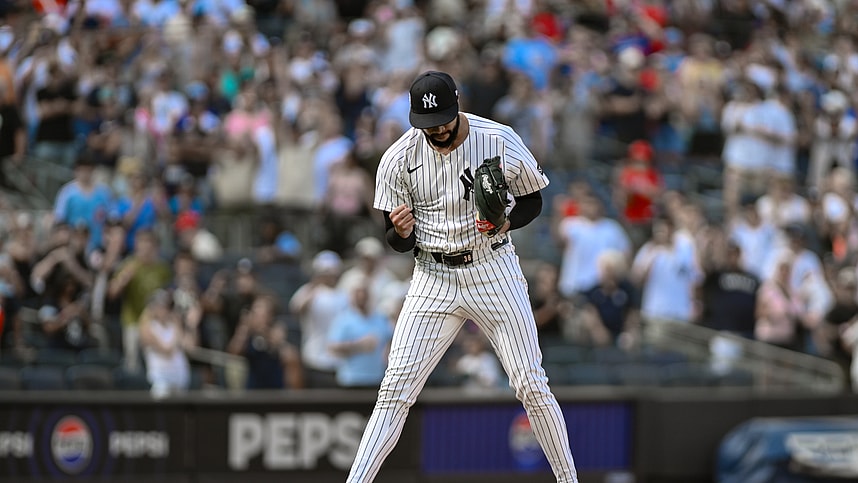
Edwin Díaz took the trumpets, the swagger, and his talents to Los Angeles for a guaranteed $69 million. The electricity at Citi Field is gone, but David Stearns didn’t sign Devin Williams to sell tickets; he signed him to suppress runs. The narrative might be that the Mets are picking up the Yankees’ “damaged goods,” but the underlying metrics suggest Stearns just exploited a massive market inefficiency.
Last offseason, the Yankees overpaid in trade capital to watch Williams post a 4.79 ERA. Ultimately, that number was a mirage caused by poor defense and bad luck in the Bronx. In 2026, the Mets will be paying $17 million AAV, the price of a high-end setup man, to get a closer whose peripherals suggest that he was actually elite this whole time.
Analyzing the Devin Williams Mets Value Proposition
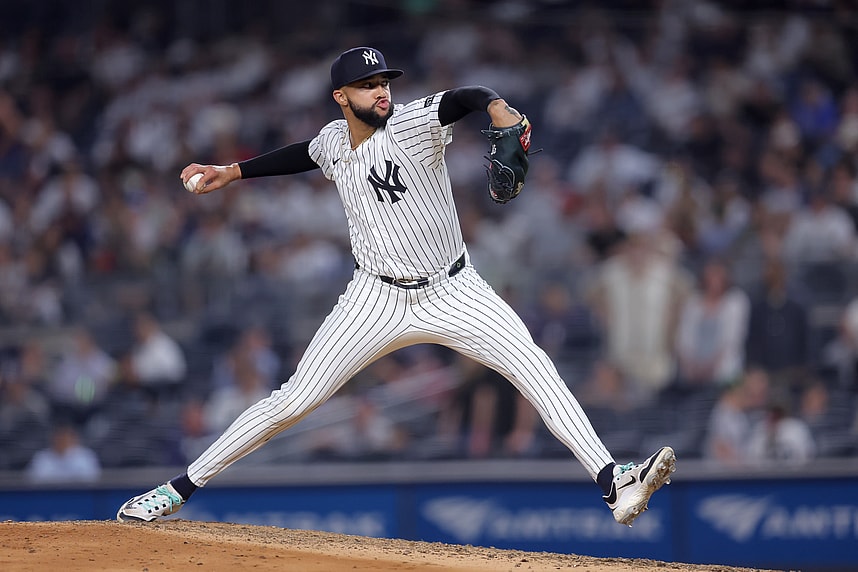
The Devin Williams experiment relies entirely on separating the process from results. Williams’ 2025 season looked like a disaster, but that is simply just a lazy analysis. While Williams posted a near 5.00 ERA in 2025, his 2.68 FIP (Fielding Independent Pitching) remained elite. That is a two run differential between the two statistics, showing the pure “bad luck” that Williams went through.
His expected indicators paint a picture of a pitcher who was victimized by his environment. While Díaz was a Ferrari in 2025, posting a 1.63 ERA with a 0.87 WHIP, Williams looked like a lemon on the surface, but under the hood, he posted a 3.11 xERA (Expected ERA) and maintained a 37.7% whiff rate.
The Yankees ended up paying for the bloop singles that got past their weak infield, but the Mets will be paying for the swing-and-miss stuff that never actually left. A quick glance at FanGraphs shows that his strikeout-minus-walk percentage is still sitting in the league’s top tier. The velocity and movement are both still there, Williams just needed a defense that actually field the ball.
The Mets Bullpen Pivot: Velocity vs. Movement
The shift from Díaz to Williams is a jarring pivot for the Mets bullpen. Díaz challenged you physically with his 99 mph heat, even when you knew what was coming. Meanwhile, Devin Williams offers a different kind of psychological torture for opposing hitters.
Williams won’t overpower you, instead he will dismantle you with his insane breaking pitches. His “Airbender” changeup generated a .195 expected batting average against, using absurd screwball-like movement to destroy timing rather than bats.
Defensive Adjustments and Roster Construction
This pivot will require a significant defensive adjustment from Carlos Mendoza. Díaz was primarily a fly-ball pitcher, which suited a specific defensive alignment. However, Williams induced a 45% ground-ball rate in 2025.
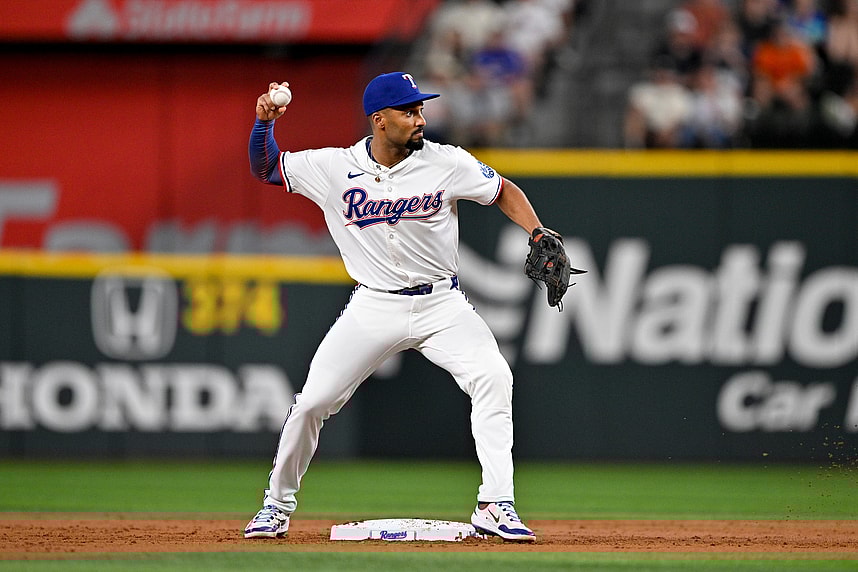
The Mets’ new infield defense will need to stay awake behind him. This isn’t just a closer change; it is a defensive shift. The Mets strategy relies heavily on the revamped infield defense of Polanco/Vientos, Semien, Lindor, and Bichette.
Why David Stearns Bet on the Airbender
While it was fun to have Edwin with us in Queens for the last seven seasons, the old Mets are dead. So if you want a concert, go buy a ticket to Dodger Stadium. But if you want a closer who is projected to be one of the most valuable relievers in baseball based on their underlying metrics, you take this deal every time.
The Mets might’ve lost the best show in baseball. However, they might have found a better financial bet in Williams.
The Bottom Line on the Bullpen
The fan base creates narratives based on emotion, but front offices build rosters based on regression to the mean. Williams is a prime candidate for positive regression. His pitch shape hasn’t changed, and his velocity has held steady.
The only thing that changed was the luck of balls in play. By betting on Devin Williams‘ resurgence, the front office is effectively shorting the market, by securing a closer with top-five potential.
More about:New York Mets
