
 Alexander Wilson
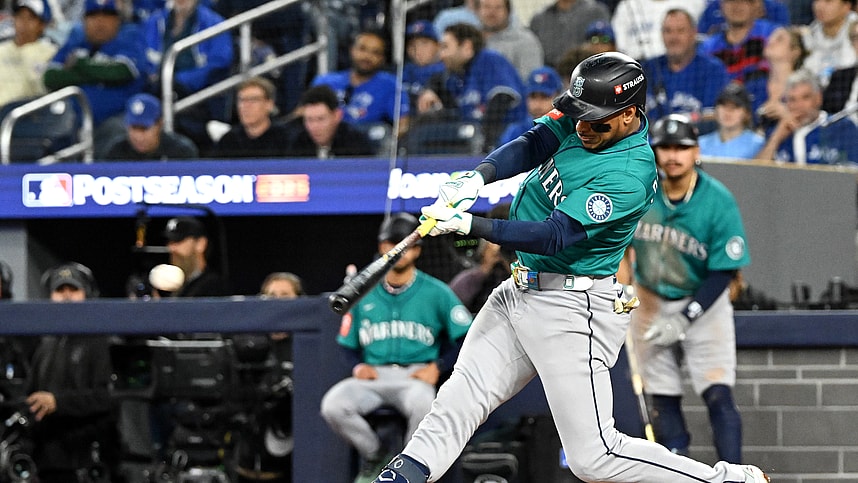
The New York Mets are officially playing with fire at first base, handing a two-year, $40 million contract to a player who fits the roster like a square peg in a round hole.
While the offensive upside of Jorge Polanco is undeniable, the plan to deploy the 32-year-old as a primary first baseman feels less like a strategy and more like a desperate gamble to cover a roster construction flaw. With Marcus Semien locking down second base and the shortstop days long gone, the Mets are forcing a career middle infielder to learn the intricacies of the cold corner on the fly in New York City.
The skepticism surrounding this defensive experiment is loud and warranted, especially given Polanco’s complete lack of experience at the position.
Jim Bowden highlighted the absurdity on the Foul Territory podcast, noting, “They said primarily first base and DH. He’s played exactly ONE inning of ONE game at first base in his Major League career.” Expecting a veteran to master the footwork and picking skills required at first base overnight is a risky proposition for a team with championship aspirations.
The algorithm hides the best Mets news; make sure you pin Empire Sports Media on Google News so you don’t miss a beat.
Replacing the Polar Bear on a Budget
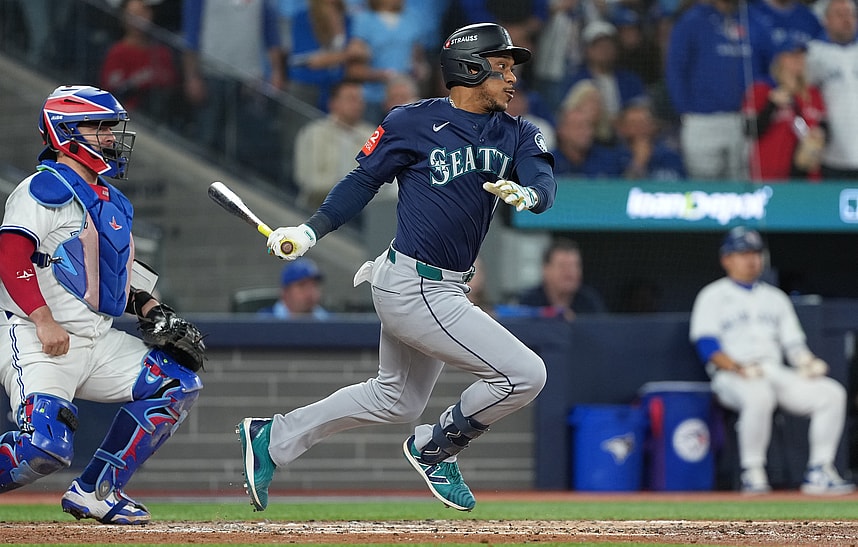
However, if you look past the glove, the logic starts to emerge in the batter’s box where Polanco remains an elite threat. He slashed .265/.326/.495 last season with 26 homers and 78 RBIs, posting a 132 wRC+ that proves he is still significantly above the league average.
The Mets essentially looked at the market and decided that paying Polanco $40 million was a smarter allocation of resources than matching the $155 million deal Pete Alonso got from the Orioles, especially if the offensive drop-off is minimal.
Defensively, the bar Polanco has to clear is shockingly low, as Alonso was a liability himself last season with -9 defensive runs saved and -9 outs above average over 1,403 innings. If Polanco can simply be “bad” rather than “catastrophic” at first base, the Mets have effectively replaced Alonso’s production for $115 million less. It is a calculated financial risk, wagering that the savings can be used elsewhere—perhaps explaining why the Mets’ 2026 fate rests entirely on signing Kyle Tucker or Cody Bellinger to round out the order.
The Mark Vientos Wild Card
The decision to force Polanco into the field is even more puzzling when you consider the internal options, specifically Mark Vientos, who seemed poised to inherit the position. However, reports indicating the Mets are reportedly open to trading Mark Vientos suggest the front office doesn’t view him as the long-term answer either. This leaves Polanco as the primary option by default, creating a scenario where the Mets are relying on a designated hitter to wear a glove for 80 games a year.
Looking Ahead: A High-Wire Act in Queens
David Stearns is banking on Polanco’s bat being loud enough to drown out the inevitable defensive miscues at first base. If Polanco hits 30 home runs and posts an OPS near .850, nobody will care if he drops a few throws in April. But if the defense is a disaster and the bat regresses, this $40 million experiment will look like a massive unforced error in a critical season.

More about:New York Mets
