Quinton Fesq
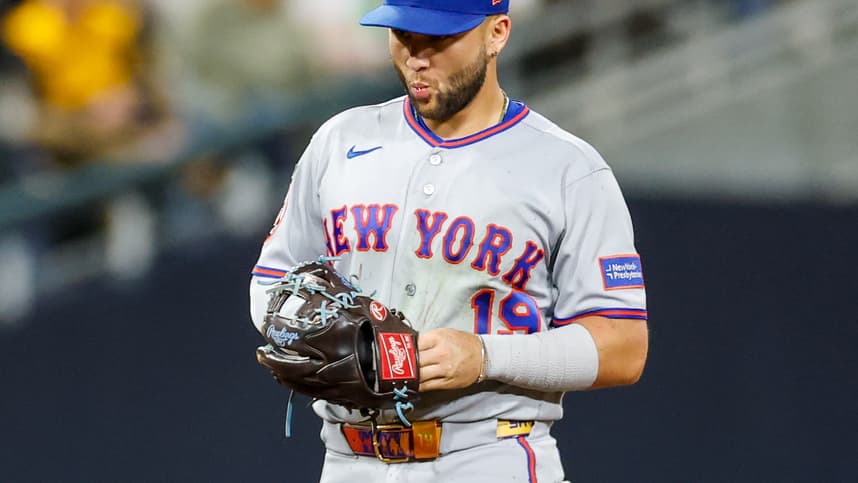
Bo Bichette’s Mets contract was always built to get weird quickly.
That was the whole point. The Mets gave him massive short-term money, Bichette kept control of the exits, and everyone understood there was a chance this thing could turn into a one-year stop if the bat cooperated.
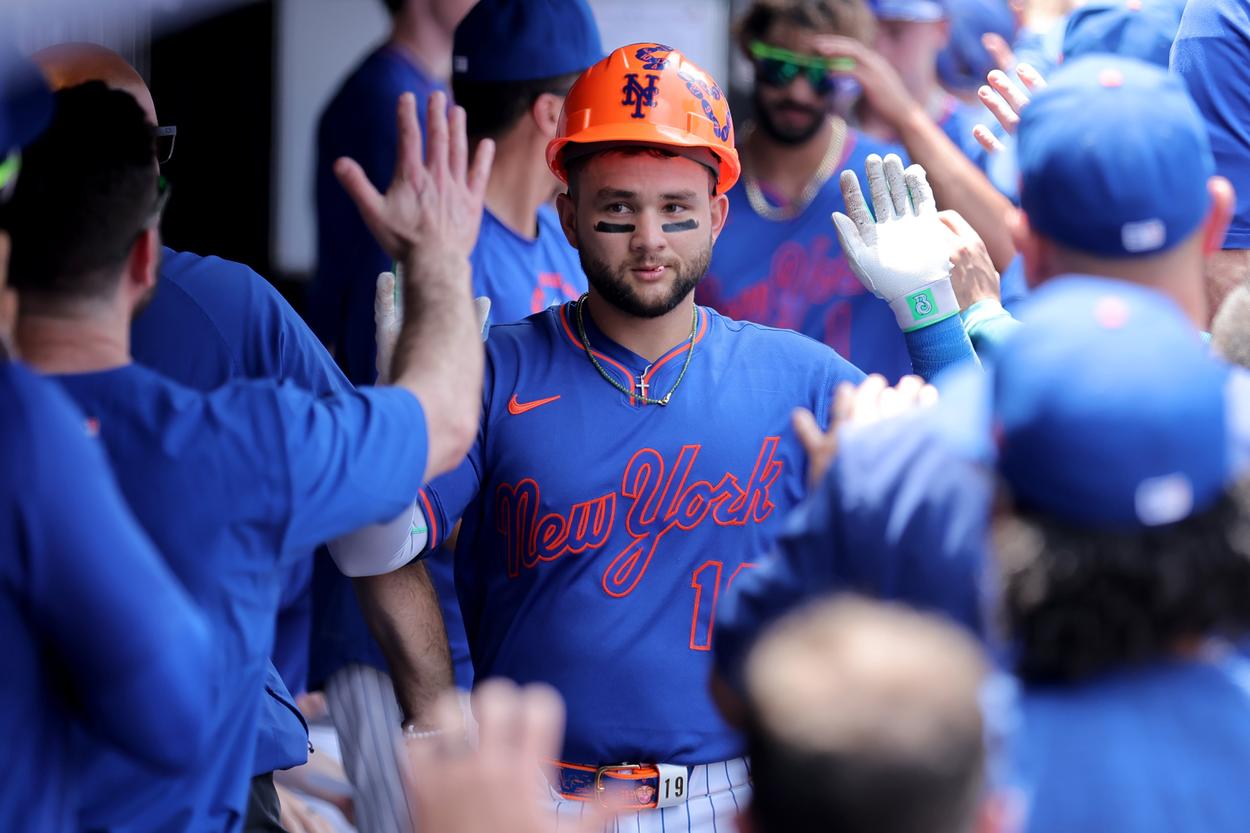
Now Bob Nightengale reports that teams expect Bichette to opt out of the final two years of his Mets deal after the season. That means walking away from the remaining money and testing the market again, which sounds bold until you remember how the contract was designed.
The opt-out math is not simple
Bichette signed a three-year, $126 million deal with opt-outs after the first and second seasons. If he stays after 2026, he has two years and $89 million left.
That is not exactly pocket change. It is also why this conversation is not as clean as “Bichette will definitely leave.” He would need to believe the open market can beat the security already sitting in front of him, and his full-season line does not make that automatic.
He entered the weekend hitting around .236/.283/.361, which is not the kind of slash line that usually makes a player sprint away from $89 million. The defense has been part of the conversation too, especially with Bichette moving around the infield and trying to give the Mets enough value beyond the bat.
The timing of the report matters
This would have sounded a lot stranger a week ago. Then Bichette started waking up.
He had the four-hit game in Seattle that started changing the immediate conversation, then followed it with the Spider-Man mask game against Atlanta, launching two homers and driving in six. Suddenly, the contract talk does not feel like some random offseason leftover. It feels like part of the bigger question: what if Bichette actually heats up enough to make the opt-out real?
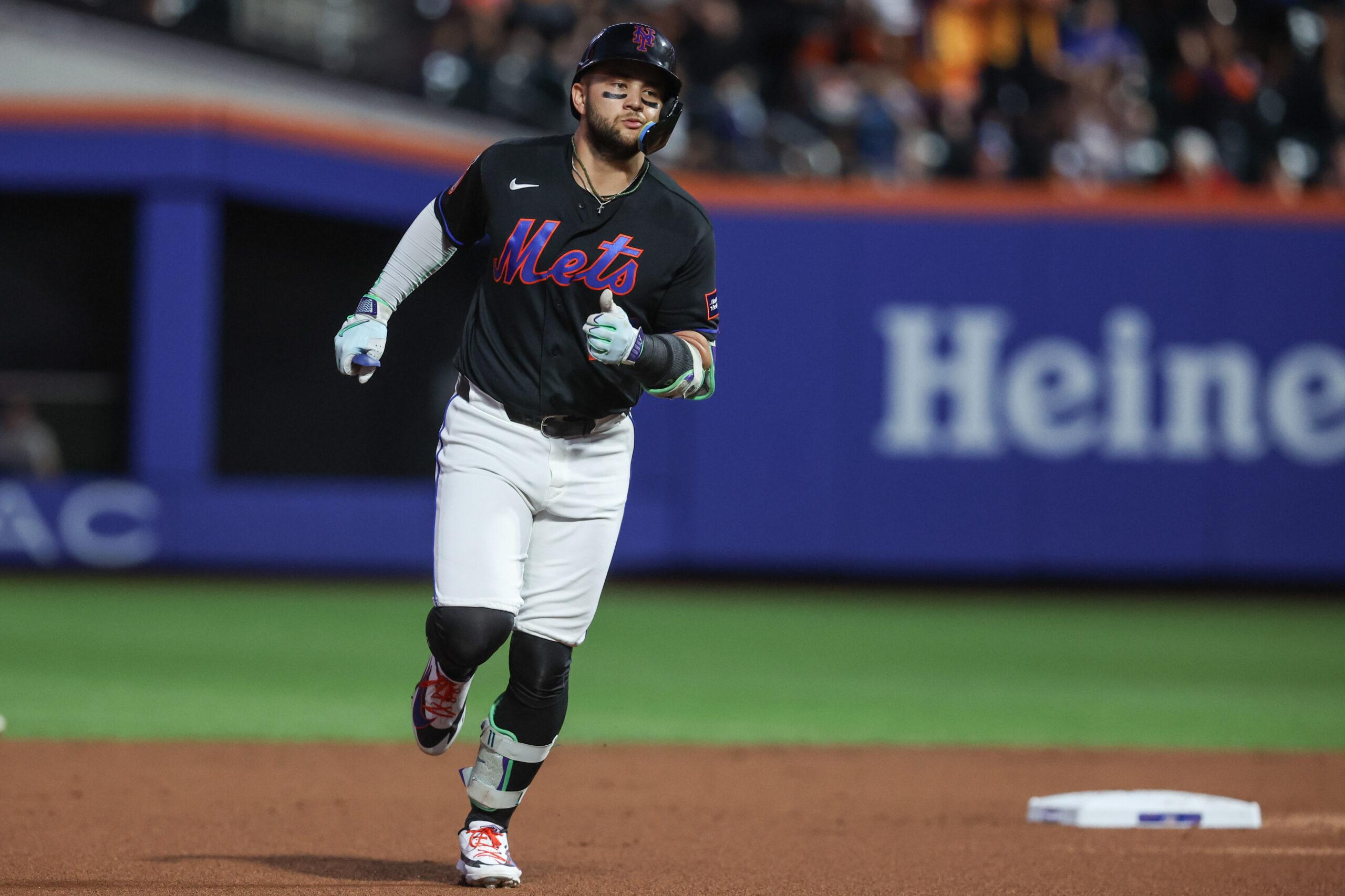
That is why the Mets have to watch the next three months closely. One hot week does not erase two cold months, but it can change the way the market starts thinking. Teams are not just paying for the exact line on June 14. They are trying to project what Bichette looks like in October, what the bat looks like after a full adjustment period, and whether the upside is still closer to star than problem.
The Mets may not hate the leverage
There is another side to this. If Bichette plays well enough to opt out, the Mets probably got the version they were paying for. That is not the worst problem to have.
The risk was always that Bichette would be good enough to leave or disappointing enough to stay expensive. The Mets signed up for that when they chose the short-term, high-AAV structure. It gave them a premium bat without a seven-year commitment, but it also gave Bichette a way back to the market if things went right.
The uncomfortable part is that the middle ground is the messiest outcome. If Bichette finishes with uneven numbers but a strong second half, he could still test the market. If he leaves, the Mets lose the player. If he stays, it probably means the season never got quite hot enough for him to chase more.
Bichette still has to make the decision obvious
For now, the report is more warning than certainty. Teams may expect an opt-out, but Bichette still has to play his way into making that sensible.
The Mets do not need to panic about December yet. They need the version of Bichette that makes this conversation worth having. If he keeps producing like he did against Atlanta, the opt-out becomes a real offseason headache.
That would also mean the Mets got the bat they were waiting on.
More about:New York Mets