Alexander Wilson
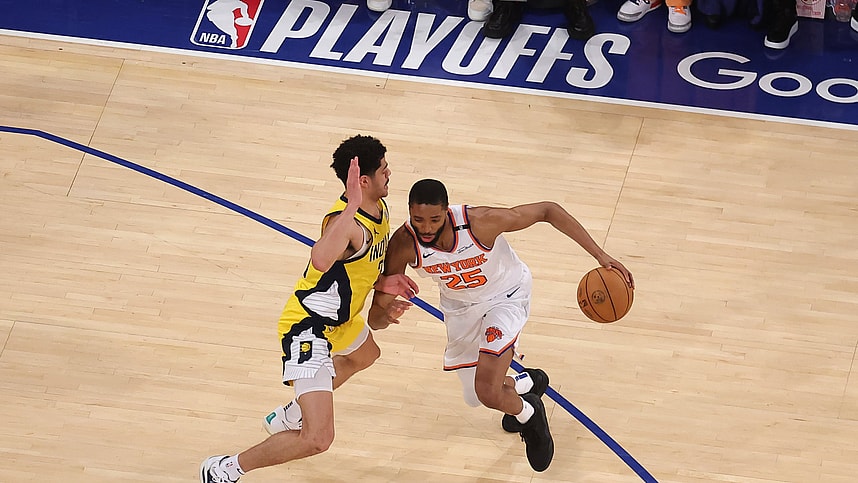
The New York Knicks have made it clear over the past two offseasons that they’re willing to prioritize team success over individual gain, and Mikal Bridges is the latest example. The star forward agreed to a contract extension that left $6 million on the table, allowing the Knicks to stay just below the second salary apron and keep the flexibility needed to strengthen their bench.
In an era when players often maximize every dollar, Bridges’ decision reflects not only his commitment to winning but also the culture the Knicks are trying to build around selfless stars.
A calculated sacrifice
Bridges didn’t just leave money on the table—he left options for his team. By taking slightly less, the Knicks avoid being locked into the restrictive second apron, which would limit their ability to make trades, add bench depth, and manage contracts in the years ahead. That breathing room could prove critical as the team eyes the top of the Eastern Conference and prepares for another deep playoff run.
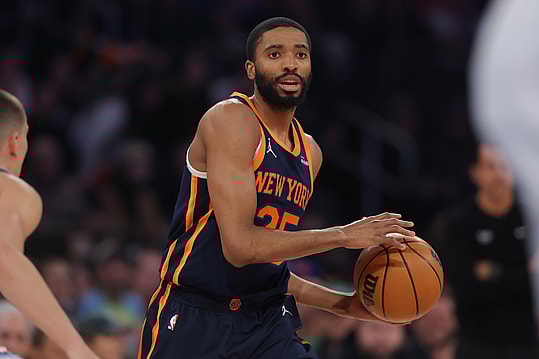
Adding another wrinkle is the $6 million trade kicker built into Bridges’ deal. Should the Knicks ever decide to move him, they’d owe that additional money. It’s a sign of respect for Bridges’ value, but also an acknowledgment that, while flexibility is key, the team still considers him a long-term cornerstone.
Following Brunson’s lead
Bridges isn’t the first Knicks star to make this kind of decision. Just last year, Jalen Brunson agreed to a contract that came in below his market value, providing the same type of cushion to keep the team competitive. Together, the moves create a precedent: New York’s stars are willing to sacrifice short-term dollars for the bigger picture.
Brunson, speaking about Bridges’ extension, joked about the sacrifice: “He left $6 million. I’m not counting, though.”
That kind of camaraderie shows the trust between the team’s top players, a bond that’s as important as any financial maneuvering.
Why it matters for the Knicks
Staying under the second apron doesn’t just keep the Knicks from heavy tax penalties—it preserves their ability to act when opportunities arise. The team added Jordan Clarkson, Malcolm Brogdon, and Guerschon Yabusele this offseason to bolster its depth, and Bridges’ deal ensures they can continue maneuvering if more pieces become available.
For a franchise that’s had its fair share of cap missteps over the past two decades, this is the kind of forward-thinking flexibility that builds sustained contenders. Bridges understands that his best chance to win isn’t just about his own paycheck—it’s about the team’s ability to keep talent around him.

Building a winning culture
Bridges’ extension represents more than a contract—it’s a statement of culture. By aligning his deal with the Knicks’ long-term vision, he’s reinforcing a team-first mentality that fans haven’t always seen in Madison Square Garden.
It’s the kind of move that can pay dividends when the postseason rolls around. Depth matters. Bench production matters. And the ability to adapt midseason matters. Bridges has given the Knicks the chance to maintain all of that, even if it cost him millions.
In the end, $6 million won’t define Mikal Bridges’ legacy, but helping the Knicks stay flexible enough to chase a championship just might.

More about:New York Knicks