
 Alexander Wilson
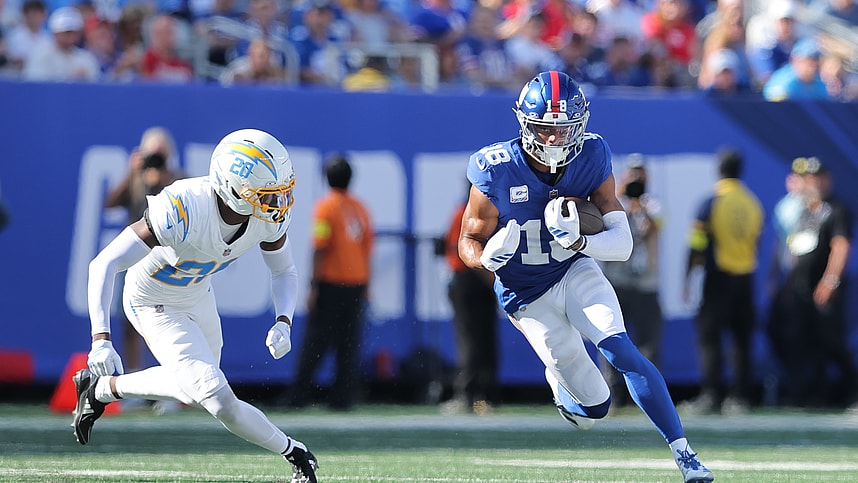
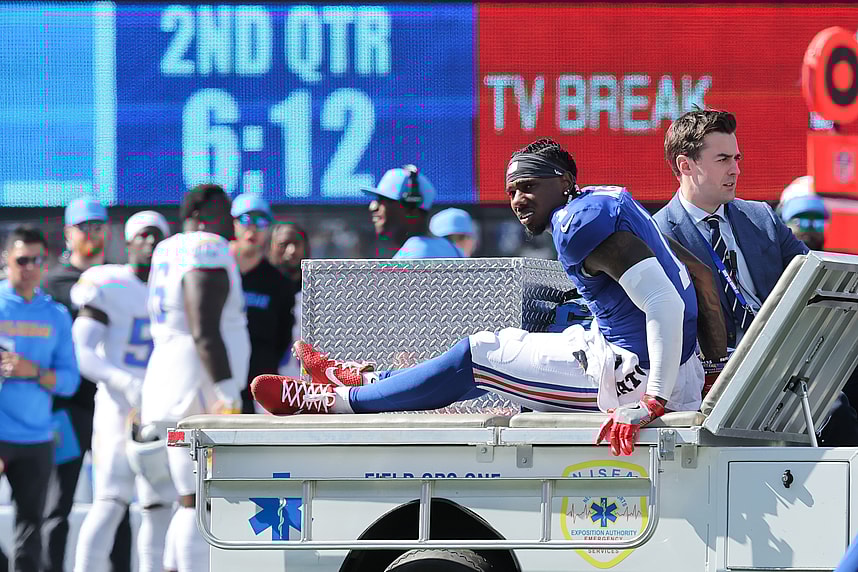
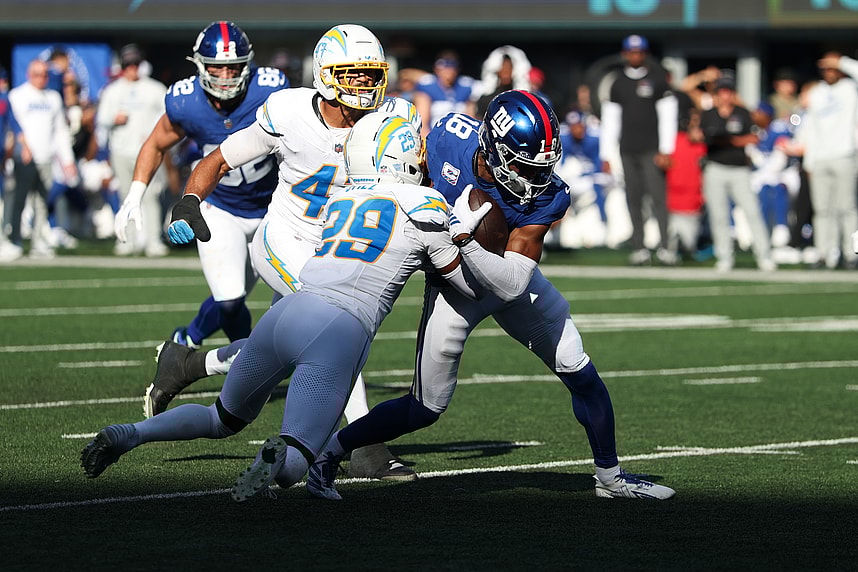
The New York Giants’ offense took a brutal hit in Week 4 against the Los Angeles Chargers, losing sensation Malik Nabers to a torn ACL. Nabers, the centerpiece of their passing game and one of the most dynamic young wideouts in football, will miss the rest of the season. For a team already trying to steady itself behind first-year starter Jaxson Dart, the loss feels like a gut punch.
Now the pressure shifts to veteran Darius Slayton, who suddenly finds himself elevated to WR1.
Slayton’s contract and expectations
The Giants rewarded Slayton this past offseason with a three-year, $36 million extension, including $22 million guaranteed. That contract signaled belief in his value as a reliable target, but through the opening three games, his impact was minimal. Against the Chargers, Slayton managed three catches for 44 yards, leading the team in receiving yards but still leaving the offense looking for more explosiveness.
With Nabers out, Slayton’s role can no longer be supplementary. He has to transform into the focal point of the passing attack, something he hasn’t consistently done in his career. The Giants aren’t just paying him to be steady anymore — they need him to be dynamic.
Dart’s growing challenge
For Jaxson Dart, the rookie quarterback making his way into the NFL spotlight, losing Nabers is a massive setback. Nabers was his security blanket, the receiver he would need to rely on when plays broke down or drives stalled. Now, Dart must learn to spread the ball around, forcing him to grow as a passer while building chemistry with his other weapons.
It’s not the ideal scenario for a 25th overall pick in his first year, but in some ways, it might accelerate Dart’s development. Without the crutch of Nabers, he’ll have to sharpen his reads, trust his progressions, and elevate the play of those around him.
New offensive dynamics
The Giants’ offensive structure will need adjustments. Expect more reliance on quick-game concepts and timing routes designed to get Slayton involved early while also opening opportunities for complementary pieces. Tight ends could play a larger role, and the backfield rotation may be asked to shoulder more responsibility in the passing game.
The team once funneled targets to Nabers when the offense sputtered; now that luxury is gone. Slayton doesn’t replicate Nabers’ raw explosiveness, but he has speed to stretch the field and experience against top corners. If the Giants can scheme to put him in favorable matchups, he can provide just enough stability to keep the passing attack afloat.
Long-term outlook
For the Giants, this isn’t just about replacing numbers. Nabers’ absence forces the team to reshape its identity on the fly. In the short term, that burden falls squarely on Slayton, who has the contract and veteran pedigree but hasn’t been asked to carry this kind of responsibility since entering the league.
It’s a daunting task, but also an opportunity — both for Slayton to justify the team’s investment and for Dart to prove he can adjust under fire. The Giants may be down their superstar, but their season now hinges on whether their veteran wideout and rookie quarterback can grow together fast enough to keep the offense alive.

More about:New York Giants
