
 Davin McFarland
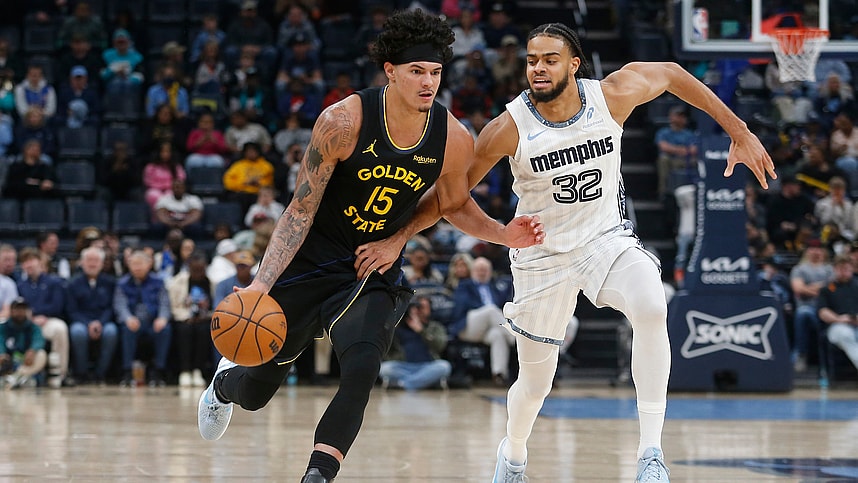
The spotlight will be on a prime-time showdown as the Golden State Warriors host the Los Angeles Lakers in a matchup that, on paper, favors Los Angeles.
A Luka Doncic-led Lakers squad presents immediate offensive pressure.
Doncic is leading the league, averaging 32.7 points per game, while Austin Reaves is enjoying a career year, and 41-year-old LeBron James continues to defy time, averaging 21 points, five rebounds, and seven assists. The Lakers’ star power is undeniable, yet this game may hinge less on names and more on structure.
Warriors must apply defensive discipline and collective execution
Los Angeles has struggled defensively, particularly in containing ball movement and secondary actions. Golden State, third in the league in assists per game, must lean into its identity: quick decisions, exploiting weak-side and backdoor cuts, and high-volume shooting from the perimeter.
With Stephen Curry sidelined and Kristaps Porzingis questionable, the burden shifts to collective execution. Draymond Green’s availability becomes pivotal, as he tends to bring his best against the best. The blueprint is clear: defend without fouling, limit turnovers, and force the Lakers through multiple actions.
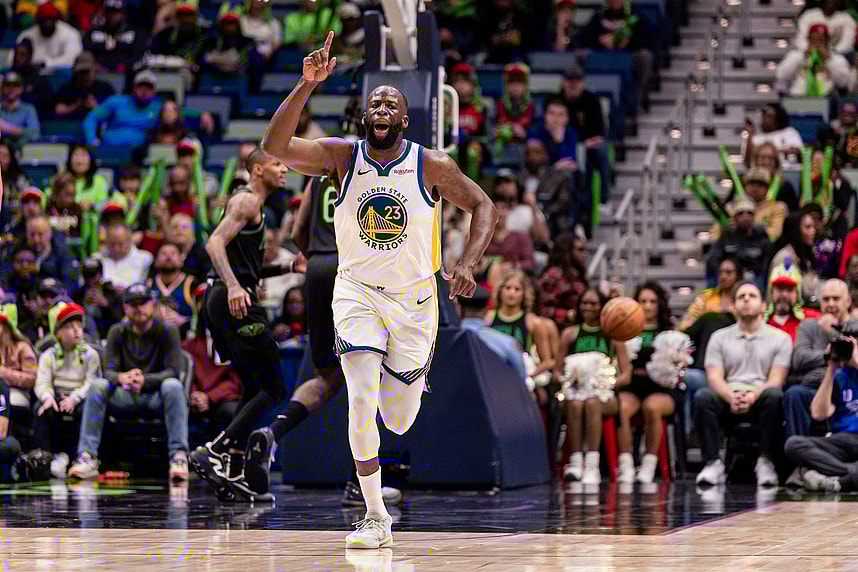
Golden State ranks in the top 10 in defending the three-point line — critical against a team that relies heavily on rhythm shooting to complement Doncic’s isolation brilliance.
Making Doncic, James, and Reaves work defensively — forcing switches, cutting behind ball-watching, and pushing pace — can erode their offensive legs late.
Golden State may actually hold the advantage
The Warriors enter having scored 120+ in two of their last three contests, including a statement win over the Denver Nuggets.
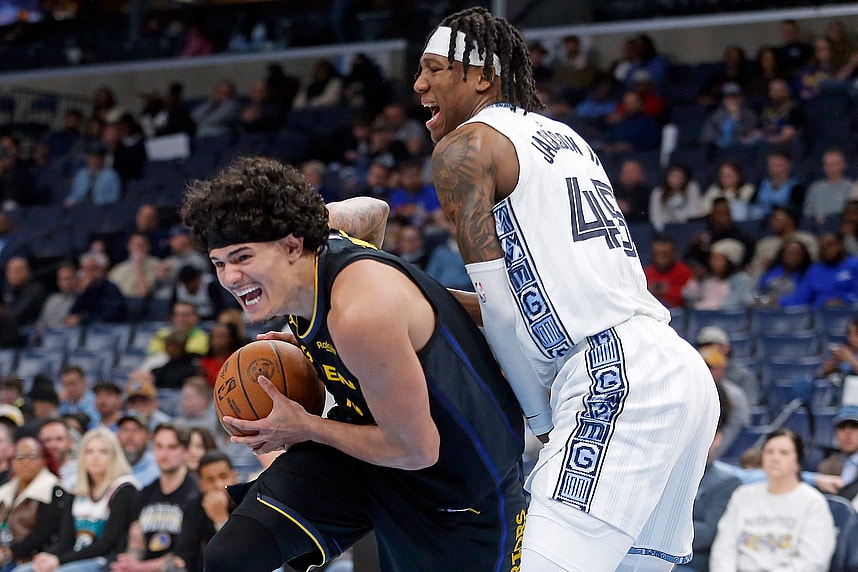
High-energy players like Gui Santos, De’Anthony Melton, and Brandin Podziemski have fueled that surge with rebounding, pace, and defensive tenacity.
If Golden State sustains its ball movement and defensive discipline, the perceived imbalance in this matchup could become its greatest advantage.

