Alexander Wilson
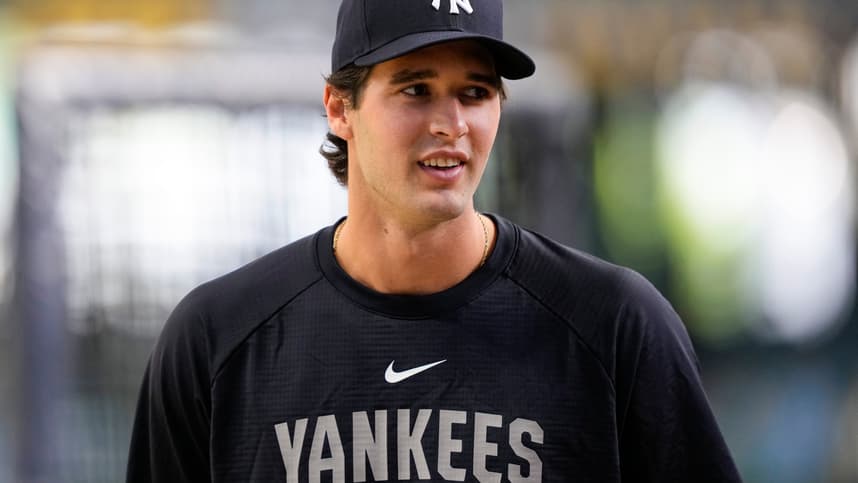
The New York Yankees threw Spencer Jones into the deep end with very little warning, and the water turned out to be ice cold. His first six plate appearances at the major league level produced a 66.7% strikeout rate, zero hits, and a lot of uncomfortable swings against pitching that would make most prospects look foolish on debut night. The good news is that the circumstance deserves as much context as the performance.
Jacob Misiorowski was the first pitcher Jones faced, a legitimate power arm pumping fastballs at 103 mph with late life that is difficult for experienced major leaguers to square up, let alone a 24-year-old making his debut hours after getting the call. That is not a soft landing. That is the hardest possible introduction to big league pitching, and expecting a polished performance against triple-digit velocity on your first night was never realistic. Jones got exposed, but the sample size is so small that drawing meaningful conclusions from it would be a mistake.
What We Already Knew Going In
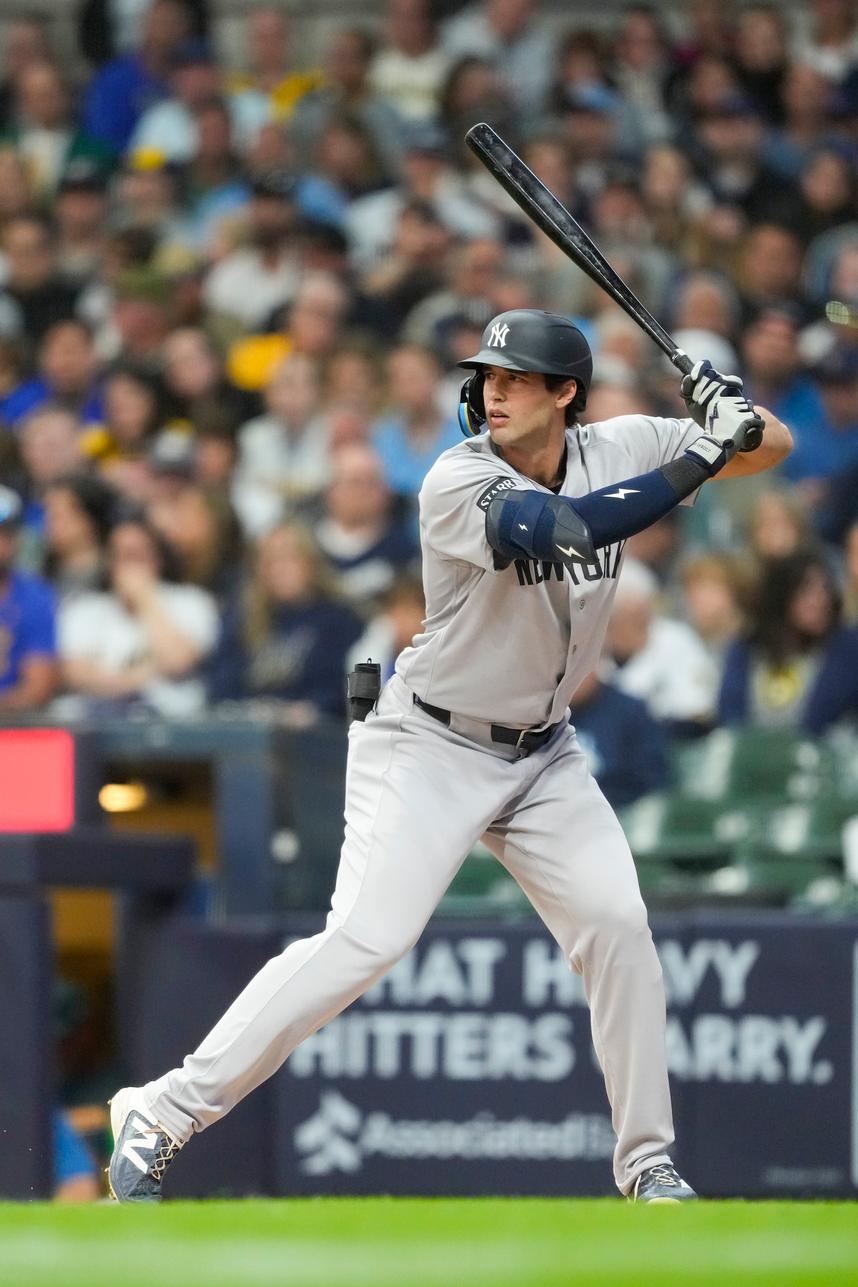
His Triple-A numbers this season have been well documented. Eleven homers, 41 RBIs, a .592 slugging percentage across 33 games. He was one of the most productive power hitters in the International League this season, which is a legitimate statement given the competition level. The strikeout rate at 32.4% was always the biggest concern, and major league pitchers have immediately confirmed that concern in their first look at him.
What the debut also confirmed is that Jones’ all-or-nothing profile is exactly as advertised. He’s either hitting the ball 117 mph or he’s swinging through pitches in the dirt. There is very little in between, and at the major league level where pitchers can locate breaking balls with surgical precision and repeat velocity well above what Triple-A offers, the contact issues are going to get exposed more severely than they did in Scranton. That was always going to be true. The question is whether the times he does connect are consequential enough to offset the times he doesn’t.
The Next Opportunity Matters
Logan Henderson gets the ball on Sunday, and the hope is that Jones gets a more favorable matchup to start working through his debut jitters. Henderson is a solid arm but not 103 mph. The slower velocity and different pitch profile should give Jones a better opportunity to see the ball and potentially get his first big league hit on the board, which matters more psychologically than statistically at this stage.
The adjustment period for Jones is going to take a few weeks, minimum. Players with his contact profile almost always look rough in their first 30 to 50 at-bats before the swing decisions catch up to the competition level. The defense in center field and the base running ability are going to carry his value in the short term while the bat finds its footing.
The Bigger Question
Giancarlo Stanton is working his way back from the calf strain and could return within the next week or two. When he does, the Yankees face a decision about Jones’ roster status. If he’s shown any offensive promise by then, keeping him on the roster in a platoon or bench role makes sense. If he’s still at 66.7% strikeout rate with nothing to show for it, sending him back to Triple-A for more development is the right call.
The door opened quickly and the early returns are rough. Give him a few more games before deciding anything.

More about:New York Yankees