
 Alexander Wilson
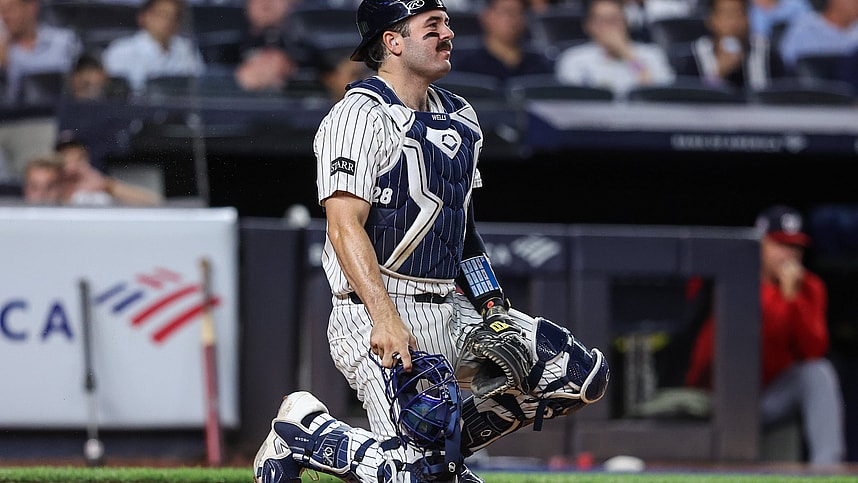
We have spent the last two seasons praising Austin Wells for his rapid development behind the plate, but as we head down to Tampa for Spring Training, the mood has shifted. The arrival of the Automated Ball-Strike System (ABS) in 2026 isn’t just a rule change; it is a direct threat to the primary value proposition of the Yankees‘ starting catcher. Wells made his money last year by stealing strikes, but in a world where robots call the zone, presentation means absolutely nothing.
The data paints a terrifying picture for anyone banking on Wells repeating his 3.0 WAR season. In 2025, his entire defensive profile was carried by his ability to frame pitches, ranking in the 96th percentile for Framing and saving the Yankees 12 runs with his glove work. That elite skill—which placed him in the 95th percentile for Fielding Run Value—evaporates the moment the first pitch is thrown this season. Without it, he is just a catcher with 39th percentile Pop Time and average blocking skills.
The Bat Must Carry the Load Now
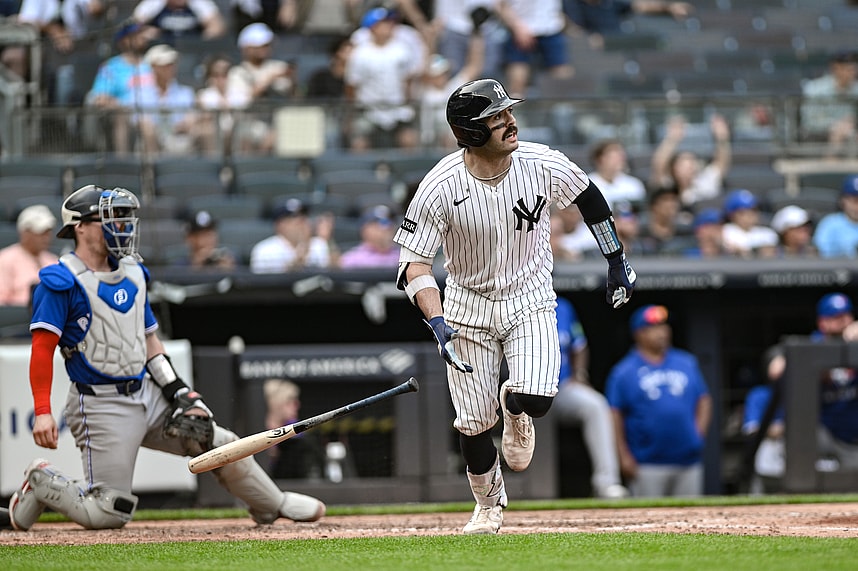
If the glove can no longer save him, the bat has to be special. Unfortunately, Wells took a significant step backward offensively in his sophomore campaign. While he flashed legitimate power with 21 home runs and a .436 slugging percentage, his plate discipline completely collapsed.
The most alarming regression came in his walk rate, which plummeted to a paltry 6.7%, landing him in the 30th percentile league-wide. This is a massive drop from the 11.4% walk rate he posted as a rookie. When you combine that with a 41st percentile Chase Rate and a 4th percentile Expected Batting Average (xBA) of .214, you have a hitter who is expanding the zone and making weak contact.
The Yankees Need Well’s Power to Shine
The Yankees are betting that the power is real, and to his credit, Wells does damage when he connects. He maintained a 60th percentile Hard-Hit Rate and 60th percentile Barrel Rate, proving that the pop is sustainable. If he can get his on-base percentage back above .310, the 20-homer potential makes him a viable starter.
But we can’t ignore the reality that his margin for error has vanished. Last year, he could hit .219 because he was an elite defender. This year, if he hits .219 with a .275 OBP, he is a liability.
This is a make-or-break spring for Wells’ long-term future. Without framing, he is an offensive-first catcher who isn’t getting on base. If that walk rate doesn’t climb back to double digits by May, don’t be shocked if the Yankees start looking for a more complete backstop. He has to hit his way out of this, or he becomes a platoon bat at best.

More about:New York Yankees
