Alexander Wilson
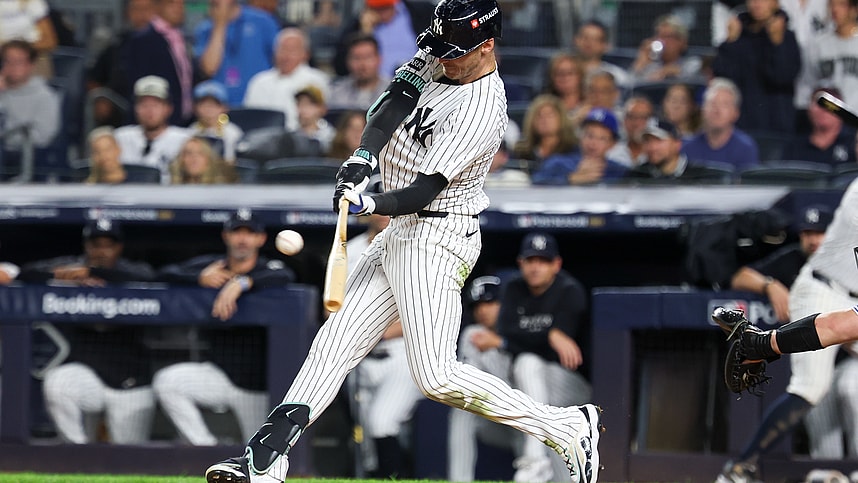
We need to stop looking at the total value of Cody Bellinger’s extension with the Yankees and start looking at the structure, because that is where the real story lies. Hal Steinbrenner didn’t just hand out a five-year, $162.5 million deal out of the kindness of his heart; he structured a high-stakes gamble that effectively gives the Yankees a two-year championship window with their star slugger. I’m convinced this isn’t really a five-year commitment—it’s a two-year, $85 million rental with a very expensive insurance policy attached.
The deal includes a crucial opt-out clause after the 2027 season (Year 2), meaning if Bellinger continues to mash, he can rip up the contract and hit the open market again at age 32. It’s a brilliant piece of leverage for Scott Boras and a necessary evil for a Yankees front office that frankly had no other choice.
The “Two-Year, $85 Million” Reality
Let’s break down the math because it’s staggering. Bellinger receives a massive $20 million signing bonus upfront, combined with $32.5 million salaries in both 2026 and 2027. That totals $85 million in cold, hard cash over the next 24 months. If he opts out, he walks away with a fortune and a chance to do it all again. If he regresses or gets hurt, he simply stays put and collects the remaining $77 million over the final three years.
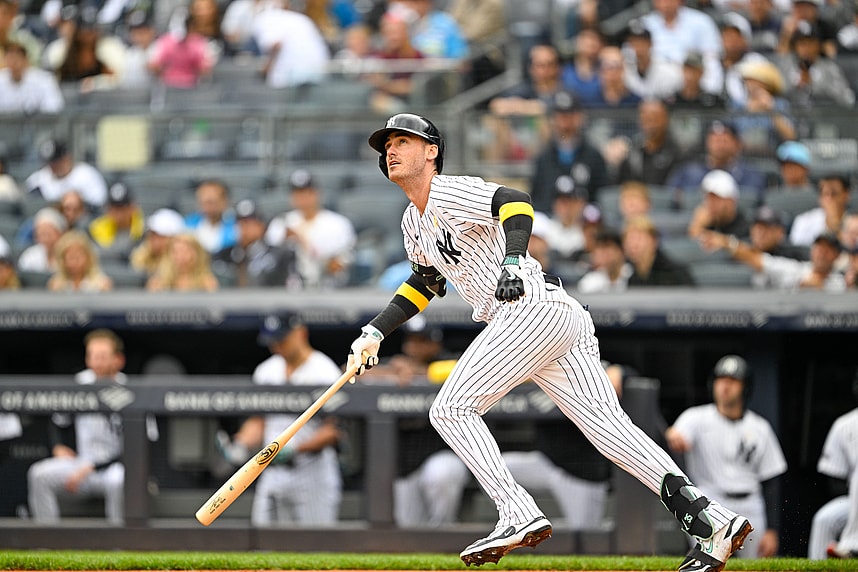
This structure is a “kicker” for the Yankees. They get the immediate impact of a player who was desperate for a long-term home—Bellinger reportedly pushed for seven years initially—while capping their long-term risk if his back acts up again.
Why the Yankees Were Forced to Pay Up
We can talk about the money all day, but the metrics from 2025 tell you why Steinbrenner cut the check. Bellinger wasn’t just “good”; he was the perfect complement to Aaron Judge. He slashed .272/.334/.480 across 152 games, launching 29 home runs and driving in 98 RBIs.
But here is the stat that matters most: he hit .302 with 18 homers at Yankee Stadium. His left-handed swing is tailor-made for the short porch in the Bronx, and losing that production to a rival would have been catastrophic.
The Yankees needed his 13 stolen bases and his versatility—playing all three outfield spots and first base—to keep this roster functional. They paid a premium for it, but in a world where championships are the only currency that matters, it was the only move to make.

More about:New York Yankees