Alexander Wilson
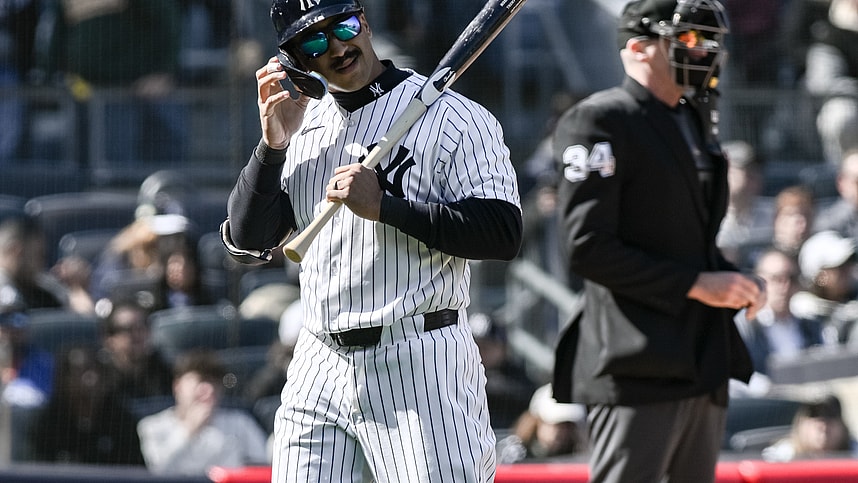
The New York Yankees got swept by the Tampa Bay Rays on Sunday afternoon, dropping their fifth consecutive game and falling to 8-7, tied with Baltimore at the top of the division. Five losses in a row against the Athletics and Rays, two teams that were supposed to represent the softer portion of the early schedule. The offense has been the common thread throughout the skid, and the player at the top of the lineup has been one of the most visible contributors to the problem.
Trent Grisham is hitting .133/.328/.200 over 45 at-bats. Six hits. No home runs. A leadoff man posting a .133 average is, on paper, one of the worst offensive situations a manager can be stuck with. But paper and reality are telling very different stories about what is actually happening when Grisham steps to the plate.
What the Numbers Under the Hood Say
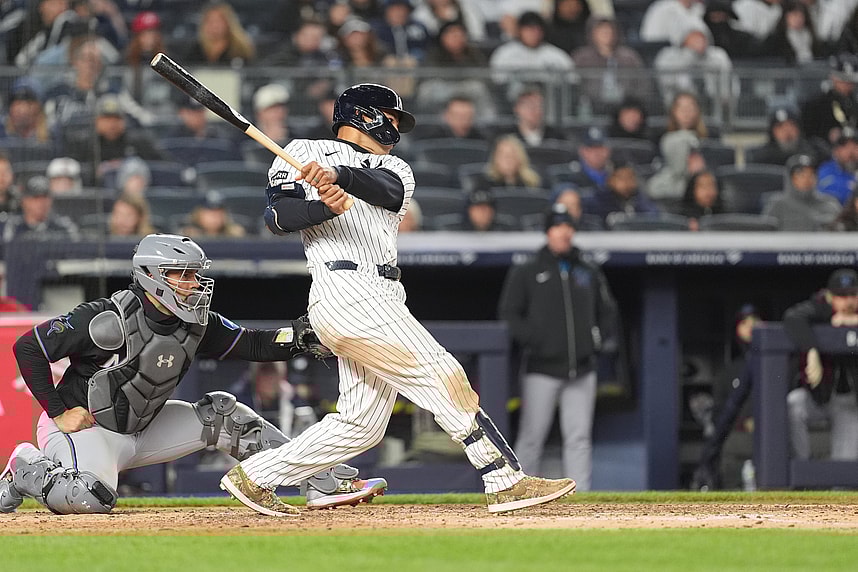
His Statcast data tells the story of a hitter who is doing almost everything right and getting rewarded for almost none of it. His hard-hit rate ranks in the 99th percentile. His expected batting average is .238. His expected slugging is .445. His chase rate is in the 99th percentile, meaning he is laying off bad pitches at an elite level. His whiff rate is in the 88th percentile. His walk rate is in the 100th percentile.
Take all of that together and you have a hitter who is making excellent swing decisions, hitting the ball hard when he makes contact, and drawing walks at a historic rate. Everything about how he is approaching his at-bats is working. The outcomes are not matching the process, and that gap between expected production and actual production is one of the widest of any hitter in baseball right now.
This is what statisticians mean when they talk about BABIP luck, the percentage of balls in play that fall for hits. Grisham is getting beaten by defense, line drives right at outfielders, and the cold April air that keeps carrying balls to warning tracks instead of over fences. None of those factors have anything to do with the quality of his at-bats.
Why This Matters for the Yankees
The practical effect of Grisham’s cold start is significant because he has been hitting leadoff almost every day. A leadoff hitter who cannot get on base removes the engine from the top of the lineup and limits the production opportunities for everyone behind him. Judge, Bellinger, and Stanton need baserunners ahead of them to maximize damage. When the leadoff spot goes 0-for-4 with three walks, the lineup technically looks functional in terms of on-base percentage but still produces nothing in terms of runners moving around the bases.
Grisham hit .258 with a .351 on-base percentage last season, which is the player the Yankees brought back on the qualifying offer. When his contact luck normalizes, those numbers are well within reach again. His plate discipline is actually sharper now than it was last year. The hard-hit rate is elite. The walks are elite. He is doing everything a leadoff hitter should do except for finding open grass when the ball leaves his bat.
The Yankees need his luck to turn quickly because five-game losing streaks against bad teams tend to take on a life of their own if the underlying issues do not resolve. Grisham’s situation should resolve itself naturally as the weather warms and the sample size grows. The numbers say he is one of the more dangerous hitters in this lineup when variance is removed from the equation.
Whether that version shows up before the damage to the standings becomes permanent is the only thing left to find out.

More about:New York Yankees