
 Alexander Wilson
314 feet. That specific distance in right field at Yankee Stadium isn’t just a quirky dimension; it is a siren song for left-handed power. When you look at the New York Yankees’ offseason wish list, you can almost see the geometry of the ballpark dictating the strategy. The front office needs to stop overthinking the margins and simply acquire players who abuse that short porch.
Enter Kyle Tucker.
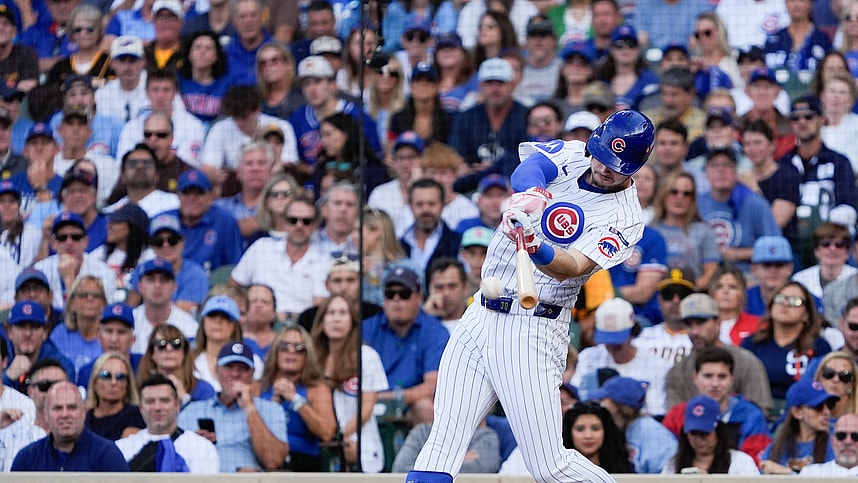
The 28-year-old slugger fits this roster so well it almost feels scripted. We are talking about a guy coming off what he would likely describe as a frustrating campaign. Yet, his “down year” looked like this:
- .266/.377/.464 slash line
- 22 home runs
- 73 RBIs
- 136 wRC+
Let’s pause on that last number. A 136 wRC+ means Tucker was 36% better than the league average hitter while having a mediocre season by his standards. That is the floor. If you put his swing in the Bronx, that floor rises significantly. We saw what the change of scenery did for Cody Bellinger when he arrived in New York; Tucker is two years younger, far more consistent, and entering his absolute prime.

A Bat Worth the Defensive Trade-Off
Critics might point to the glove. Tucker played over 1,000 innings in the outfield last year and posted -1 defensive runs saved. He isn’t winning a Gold Glove. He posted -2 outs above average.
Does it matter? Not really.
The Yankees don’t need Tucker to be Willie Mays in right field. They need him to provide Aaron Judge with the kind of lineup protection that keeps opposing pitchers up at night. You can live with average defense when the offensive upside is an MVP-caliber season. This contract will be heavy—likely double whatever Bellinger commands—but you get what you pay for. Tucker is a cornerstone piece, not a reclamation project.
The Japanese Ace Waiting in the Wings
While the lineup needs a jolt, the rotation requires finesse. This brings us to Tatsuya Imai. The 27-year-old is making the jump from Japan, and the scouting report is enough to make pitching coach Matt Blake salivate.
Imai posted a ridiculous 1.92 ERA over 163.2 innings last season. He struck out 178 batters. He walked only 45. The stuff is electric. The New York Yankees have scouted the Japanese market heavily for years, and their interest here is not smoke and mirrors; it is legitimate. Pairing Imai’s high-upside arm with the current rotation gives the Yankees a terrifying mix of durability and strikeout potential.
The Math Actually Works
Here is where the rubber meets the road. The narrative that the Yankees are tapped out financially is false.
After Trent Grisham accepted the qualifying offer at $22 million, the team has roughly $256 million in projected payroll allocations. That sounds high. It is high. But the luxury tax threshold they seem willing to flirt with is $320 million.
That leaves about $65 million to play with.
That is enough room to sign Tucker. It is enough room to sign Imai. It is enough to grab a bullpen arm. Hal Steinbrenner knows the stakes. He recently addressed the payroll situation with a refreshing dose of honesty.
“Would it be ideal if it went down? Of course,” Steinbrenner said. “But does that mean that’s going to happen? Of course not. We want to field a team we know can win a championship, or we believe could win a championship.”
Hal is giving the green light. The money is there. The targets are obvious. The only way the New York Yankees lose this offseason is if they decide to clutch their wallet instead of seizing the moment. Spend the $65 million. Get the ring. It really is that simple.

More about:New York Yankees
