
 Alexander Wilson
Every offseason forces the Yankees to make uncomfortable evaluations, and this winter is no different. Numbers tell stories that are sometimes harsh, sometimes necessary, and the Yankees can’t ignore what they’ve seen from Anthony Volpe through his first three seasons.
His age, tools, and makeup still matter, but production eventually shapes reality, and the reality is that the Yankees need more from the shortstop position than they’re currently getting.
Volpe’s offensive struggles create a difficult long-term question
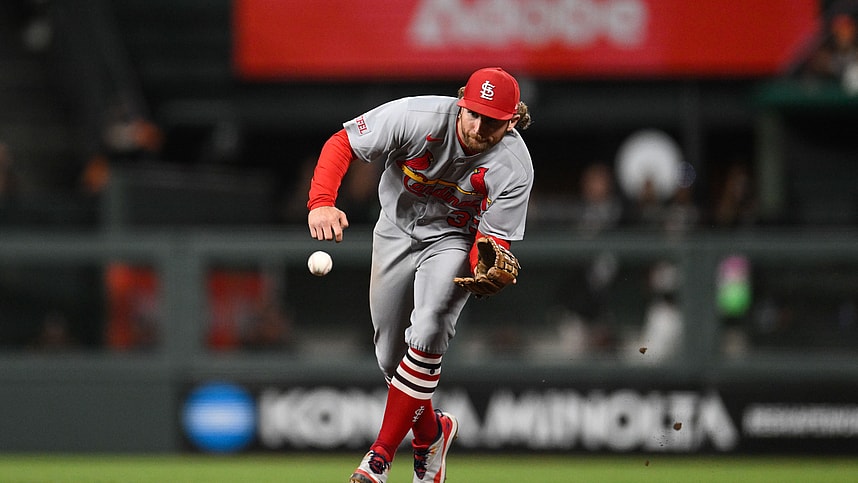
Volpe’s 2025 campaign was a reminder of how challenging player development can be, even for someone with his pedigree. He played 153 games but hit only .212 with a .272 on-base percentage and a .391 slugging mark. The 19 home runs and 72 runs driven in helped mask a bit of the inconsistency, but the underlying metrics are harder to ignore.
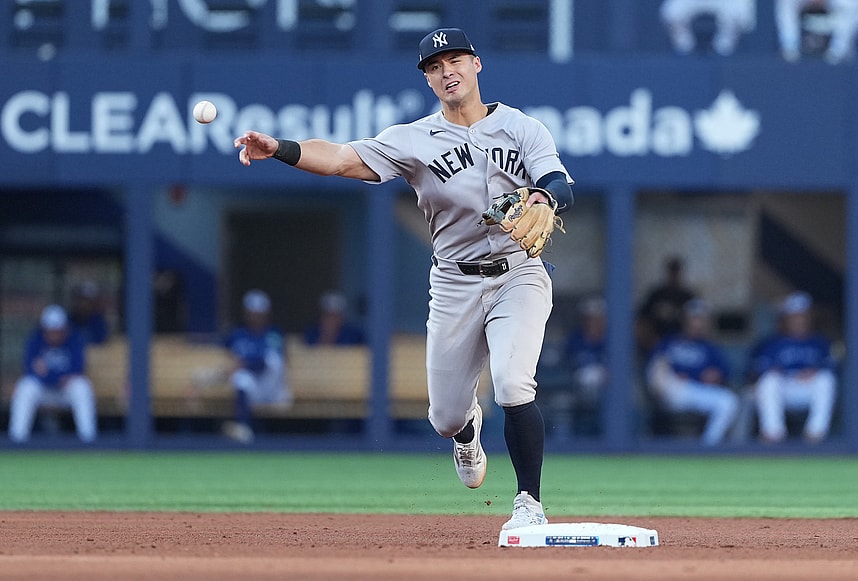
His 83 wRC+ showed he was 17 percent below league average at the plate. That’s a significant gap for an everyday shortstop on a team with championship aspirations. It wasn’t just the bat, either. Volpe’s normally sharp defense took a step back because of a partially torn labrum, an issue that complicated his season and raised questions about how much physical limitation factored into the regression.
The Yankees can still believe in the player. They can still hold hope that his offense eventually normalizes. But they also have to acknowledge that he might end up fitting better as a future utility piece unless he finds another level at the plate. That’s not an indictment. It’s a sober look at where things stand.
Why Brendan Donovan fits the Yankees’ search for stability
If the Yankees explore upgrades, Brendan Donovan may be the cleanest and most obvious solution on the market. The Cardinals have been connected to the Yankees before, and with St. Louis looking to sell, the timing finally makes sense.
There’s a lot to like. Donovan is under arbitration control until 2028, giving the Yankees multiple years of stability at a reasonable cost. That matters for a roster already bumping against financial thresholds. It also creates flexibility in how they build around him.
If the Yankees decide Jazz Chisholm isn’t a long-term fit, Donovan’s versatility allows them to shift him over to second base without losing value. If they want to keep him at shortstop, they can live with average defense, because the offensive profile brings so much more certainty than what they’re getting now.
Donovan brings balance the Yankees desperately need
Last season, Donovan hit .287 with a .353 OBP and a .422 slugging percentage across 118 games. His 10 home runs and 50 RBIs don’t jump off the page at first glance, but the quality of his at-bats absolutely does. A 119 wRC+ reflects a hitter who was 19 percent above league average. The discipline was elite. A 13 percent strikeout rate and an 8.2 percent walk rate make him one of the steadiest leadoff options available anywhere.
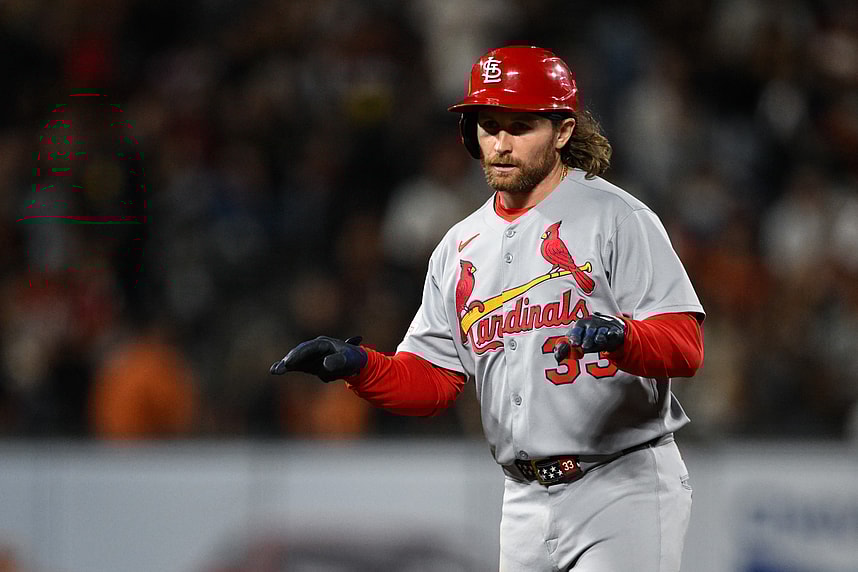
That’s the kind of approach the Yankees have lacked at the top of the order. Someone who grinds counts. Someone who makes contact. Someone who extends innings without chasing or selling out for power.
And speaking of power, Donovan might actually unlock more in the Bronx. Of his ten homers last season, projections show he would’ve hit fifteen in Yankee Stadium. That’s not trivial. That’s the short porch doing exactly what it’s designed to do: reward disciplined left-handed hitters with natural loft.
Is this the move that finally stabilizes the infield?
The Yankees don’t have to give up on Volpe to explore better options. They can still believe in his ceiling while acknowledging the present demands more reliability. Donovan gives them upside, control, flexibility, and a skill set that compliments the rest of the lineup.
The question now is simple: are the Yankees ready to be aggressive enough to fix a problem they’ve tried to ride out for three years? If the goal is stability and a more complete offensive identity, Donovan might be the answer they’ve been circling all along.

More about:New York Yankees
