Alexander Wilson
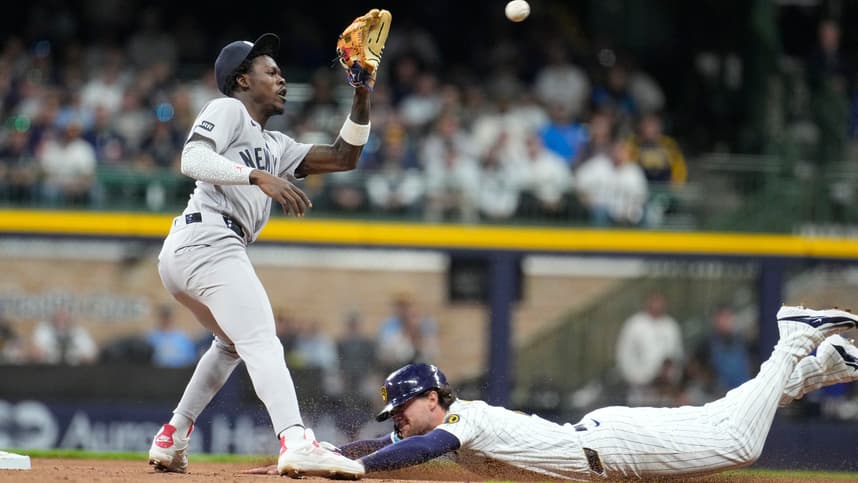
The New York Yankees are on a four-game losing streak and the offense hasn’t been doing them any favors. A lot of the blame gets distributed across the roster during stretches like this, but if you’re looking for a consistent underperformer who has been dragging this lineup down for the better part of two months, the answer is Jazz Chisholm Jr.
Through 41 games in a contract year, Chisholm is hitting .201/.281/.322 with four homers, 14 RBIs, and a 73 wRC+. That’s the lowest wRC+ of his career, meaning he’s been 27% worse than the average MLB hitter this season. His 29.3% strikeout rate is the highest it’s been since 2023. For a player who entered this season talking about 50 home runs and positioning himself for a massive payday, the reality has been brutal.
He dodges reporters after Monday’s defeat to the Orioles, which usually isn’t a good sign, especially for such an outspoken player.
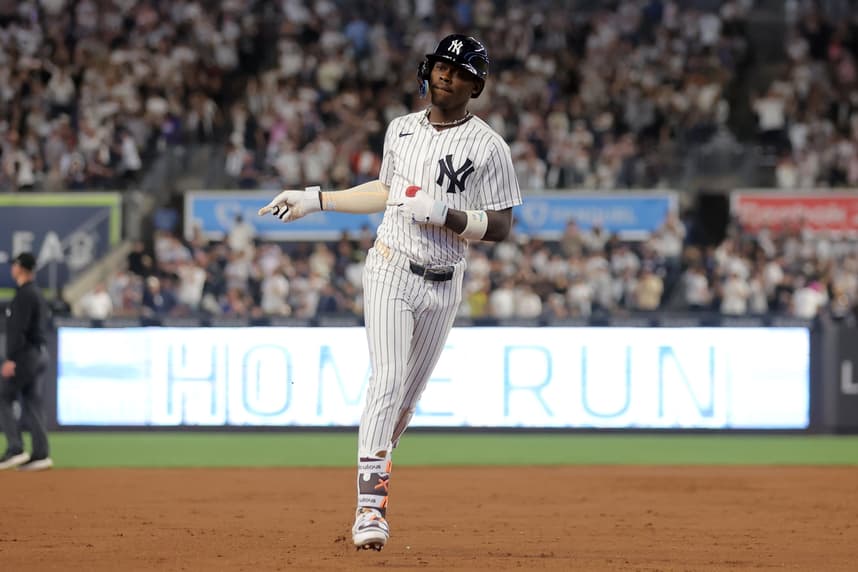
What the Advanced Numbers Say About Yankees’ Jazz Chisholm Jr.
The data doesn’t offer much comfort either. Chisholm ranks in the 21st percentile in whiff rate and the 20th percentile in strikeout rate, which means 80% of qualified hitters are making contact more frequently than he is right now. More concerning is the power production, or the complete absence of it. He’s well below average in average exit velocity, barrel percentage, and hard-hit rate, which is an alarming change from 2025 when he ranked among the best in baseball in several of those categories.
This isn’t simply just bad luck. The contact quality metrics confirm what the box score has been showing. Chisholm is not squaring up the baseball with anything close to the authority he generated last season, and the bat speed that made him a 30-30 player has dropped noticeably. When a hitter loses bat speed, they get late on fastballs, foul off pitches they used to drive, and their power numbers fall off a cliff. That’s exactly what we’re watching happen to Chisholm in real time.
The defensive metrics have been mixed. The -3 defensive runs saved is concerning for a player who has always leaned on his athleticism to be an above-average defender, but four outs above average tells a more complicated story. His range is showing up positively while his overall impact on preventing runs has been negative, which probably means there are a few specific plays where the execution was poor rather than a systematic decline.
The Contract Situation Is Effectively Over
Chisholm wanted $35 million annually over eight to ten years when spring training opened. That number was always a stretch, but it wasn’t completely unreasonable for a player coming off a 30-30 season. Four months into his contract year, the argument for that kind of money has collapsed.
Brian Cashman has a well-established pattern with players at premium positions who don’t produce at premium levels. Gleyber Torres was productive for years and still walked because the money didn’t align. Chisholm is performing far below Torres’ standard and asking for considerably more. The math doesn’t work, and the front office knows it.
The more interesting question is what comes after. George Lombard Jr. is in Triple-A and developing ahead of schedule. Anthony Volpe has played second base before and could slide over if Lombard takes over at shortstop in 2027. Jose Caballero has been one of the team’s better infielders this season and is a natural fit at second base if he moves there permanently.
The Yankees have options. Chisholm has not made them difficult to exercise.

More about:New York Yankees