Alexander Wilson
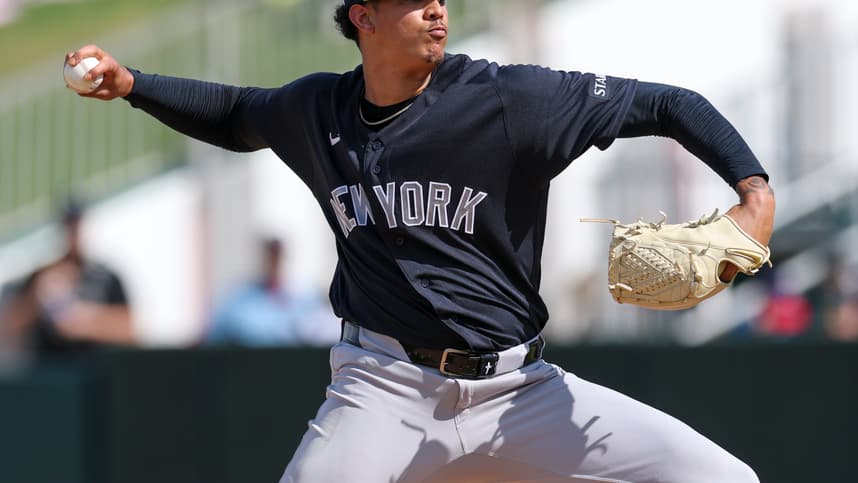
The NY Yankees can preach patience with Carlos Lagrange all they want, but 102.8 mph has a way of ruining a clean development plan. Velocity like that doesn’t whisper. It kicks the door open and makes everyone in the building look.
Lagrange, the Yankees’ No. 2 prospect, recently threw the fastest Triple-A pitch of 2026, reaching 102.8 mph while touching triple digits 15 times in one start. He struck out eight over five innings that night, then followed with another five-inning outing in which he allowed two earned runs with six strikeouts and one walk.
His full Triple-A line still has some rawness baked in: 0-2, 4.23 ERA, 38.1 innings, 52 strikeouts, and a 1.33 WHIP, according to MiLB.com. The Yankees aren’t looking at a finished product. They’re looking at a 6-foot-7 arm with ridiculous stuff and just enough volatility to make the timing complicated.
The bullpen question is coming
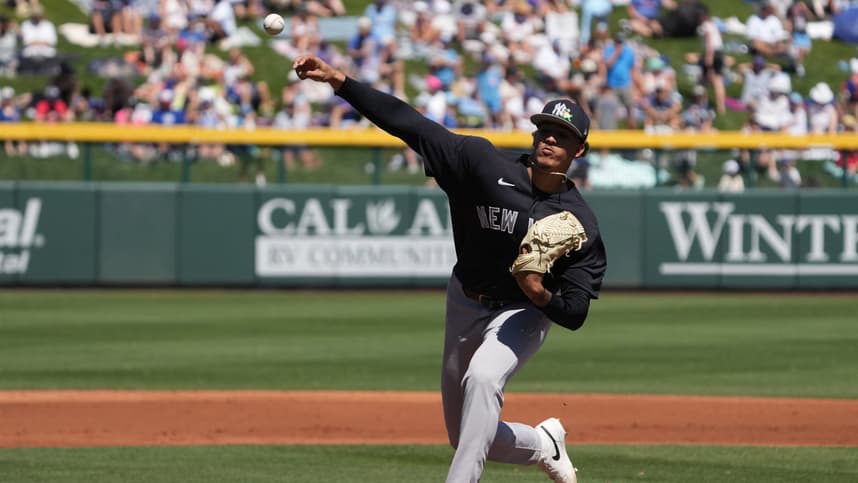
The Yankees want Lagrange to remain a starter long term, and that makes sense. You don’t rush a top arm into a relief-only box unless you have to. Still, October-caliber teams don’t ignore triple-digit weapons when the major-league staff is trying to survive injuries, uneven starts, and the usual bullpen grind.
The fastball is the headliner, but the bigger point is that Lagrange isn’t simply airing it out with one pitch. MLB Pipeline noted that he leaned heavily on his slider in the 102.8 mph start, and an earlier outing saw him finish strikeouts with four different offerings. That’s why the conversation gets interesting. If he can throw enough strikes, the stuff could play in almost any role.
Aaron Boone already left the door open last month, saying Lagrange could impact the Yankees “early, middle, later part of the season.” That was before the velocity started turning into a weekly flashing red light.
Patience is smart, but the clock is moving
The Yankees have already leaned on young arms this season, from Cam Schlittler’s rise to Will Warren giving them real rotation stability. Lagrange is a different kind of temptation because the raw ingredients are louder than almost anything they have in the system.
The command still matters. Walks have pushed up his pitch counts, and a short relief look only works if he’s throwing strikes instead of forcing catchers to chase fastballs to the backstop. That’s the line the Yankees have to walk.
If Lagrange keeps stacking starts with six to eight strikeouts and triple-digit heat, the question won’t be whether the Yankees notice. It’ll be whether they trust him enough to weaponize the arm before the league forces their hand.

More about:New York Yankees