Alexander Wilson
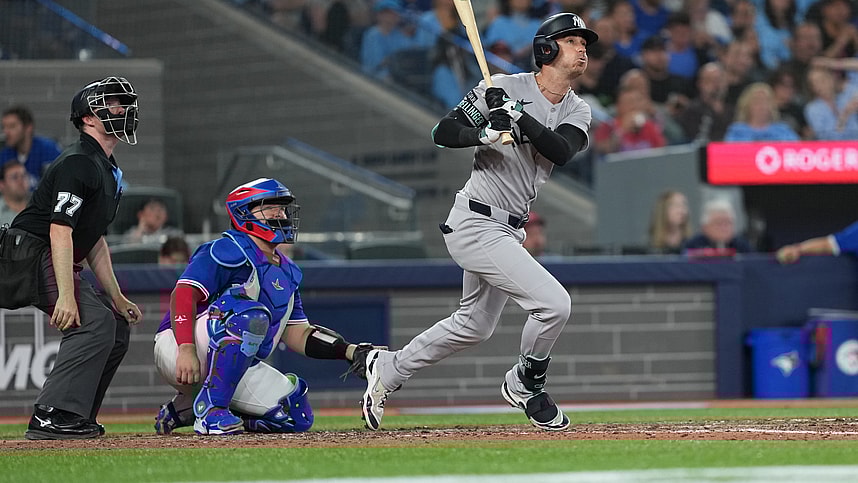
24th percentile in average exit velocity.
That is the number that should terrify every fan in Queens currently clamoring for a big-name splash to round out the outfield. It is no secret that the New York Mets are desperate to bring in another body to fill the vacancy created by the departure of Brandon Nimmo.
Right now, the depth chart looks frighteningly thin. You have Jeff McNeil and Tyrone Taylor slated as primary pieces to the puzzle alongside Juan Soto in right field. We all know that won’t last long; the front office is actively hunting for a replacement on the open market.
But if they are smart, they will steer clear of the New York Yankees’ free agent outfielder Cody Bellinger.
The Mets Cannot Trust the Surface Numbers
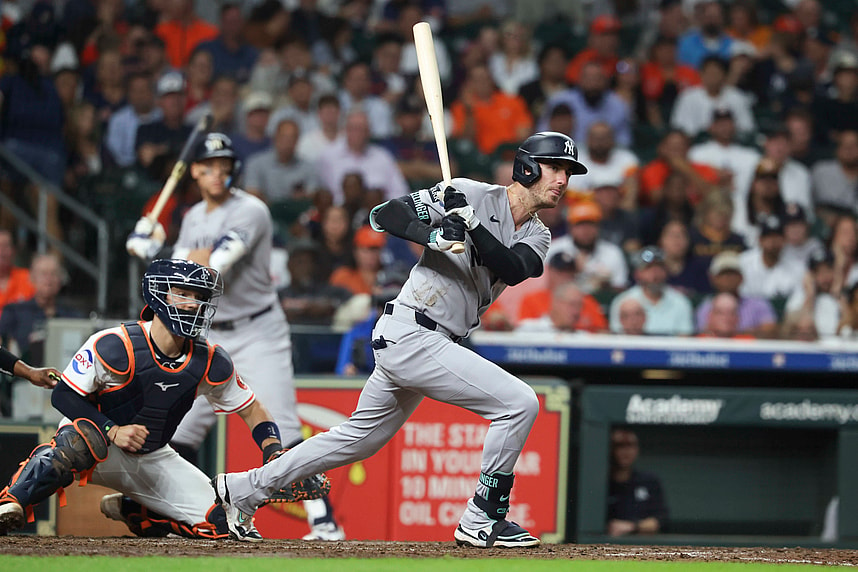
On the back of the baseball card, Bellinger looks like a prize. The 30-year-old is coming off a big bounce-back season for the Bombers where he seemingly exorcised the demons of his past volatility. He hit .272/.334/.480, drove in 98 RBIs, and launched 29 homers.
He posted a solid 125 wRC+ this past season, which looks great next to the 135 wRC+ he posted in 2023. But don’t let the shiny counting stats fool you. This is a player who has experienced wild volatility over the past few seasons.
Before his 2025 campaign, he played over 130 games just once since 2019—the 2022 season, where he posted a dismal 83 wRC+. The Mets cannot afford to pay a premium for a rollercoaster ride.
Citi Field Will Expose the Yankee Stadium Illusion
Bellinger’s power surge was a product of his environment, not a sudden evolution in strength. He took full advantage of the short right porch at Yankee Stadium, turning routine fly balls into souvenirs. In Citi Field, where the dimensions are far less forgiving, Bellinger isn’t going to offer the same offensive upside.
The projections are sobering. While he hit 29 home runs in the Bronx—the most he’s hit since 2019—that number likely drops to 25 or worse in Citi Field next year. That’s assuming he hits the second-most home runs in his career again, which is unlikely.
He clearly focused more on contact, evidenced by a career-low 13.7% strikeout rate, but that contact was soft. The Mets would be paying for power that simply won’t travel across the triborough bridge.
Underlying Metrics Scream Regression for New York Target
If the stadium factors don’t scare you, the hard data should. Bellinger’s slugging metrics are all below average, flashing red warning lights for any analytical front office.
Aside from sitting in that abysmal 24th percentile in average exit velocity, he ranks in the 36th percentile in barrel rate and 26th in hard-hit percentage. These aren’t the numbers of a cornerstone slugger. They are the numbers of a guy who got lucky or capitalized on the short right porch.
Age is only going to deteriorate those metrics further. The Mets need to be careful about what they’re actually investing in. You don’t pay massive free-agent dollars for a guy whose power is non-existent and is entering his 30s.
Defensive Fit Clashes with Future Plans in Queens
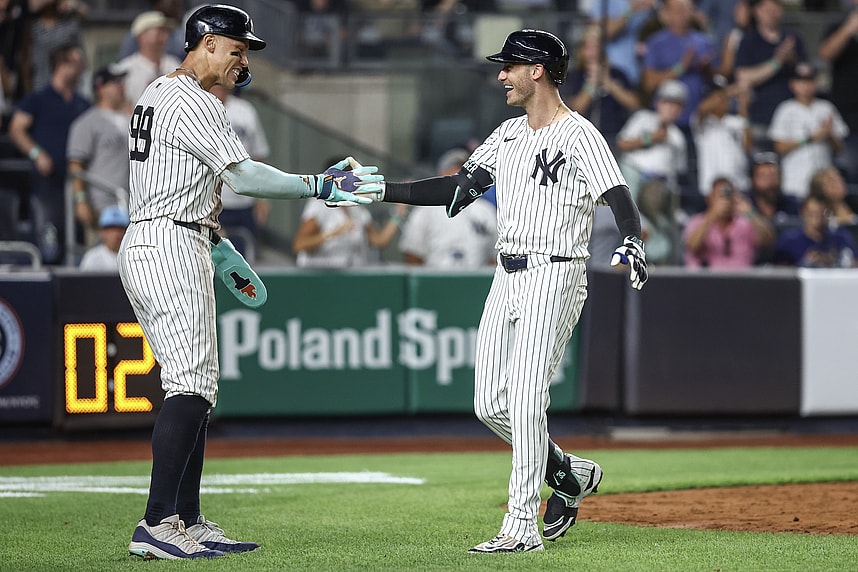
Defensively, Bellinger is fantastic, there is no debating that. He can play all three outfield spots and offers insurance at first base. However, left field is by far his best position at this stage.
The problem? The Mets really need a centerfielder. Pigeon-holing Bellinger into left field blocks the path for the future. The Mets have top outfield prospect Carson Benge nearing a promotion.
While he’s not there just yet, blocking him with a long-term deal for a regression candidate is bad business. Bellinger is really just an insurance policy at first base and a left fielder, which makes him a redundant luxury rather than a necessity.
He is a much better fit for the Philadelphia Phillies or an extension by the Yankees, where his specific swing plays. The Mets need to be careful spending money at a place where the player may regress significantly in the near future. Let someone else pay for the name while the Mets pay for the production.

More about:New York Mets