
 Alexander Wilson
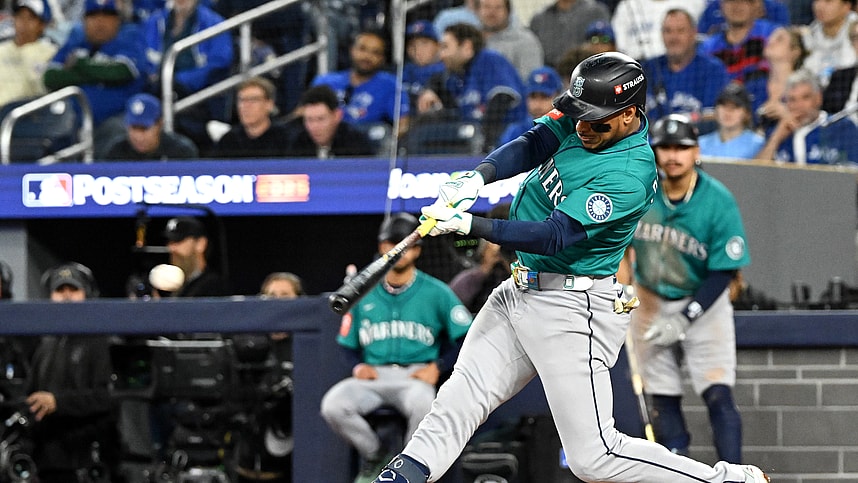
The New York Mets made a decisive pivot in their post-Pete Alonso era, signing veteran infielder Jorge Polanco to a two-year, $40 million contract with a very specific, somewhat experimental role in mind.
With Alonso departing for the Baltimore Orioles, the front office is attempting to recreate his offensive production at a fraction of the cost, while simultaneously asking Polanco to anchor a position he has never played. The 32-year-old is being tasked with transitioning to first base, a move that signals the Mets are prioritizing financial efficiency and positional versatility over defensive certainty.
Replacing the Polar Bear’s Power
Offensively, the logic behind the signing is sound, as Polanco is coming off a strong 2025 campaign where he slashed .265/.326/.495 with 26 home runs and 64 RBIs. He brings a legitimate power stroke to Queens, evidenced by an impressive .821 OPS and a Squared-Up rate that ranked in the 89th percentile, suggesting he consistently makes quality contact. His underlying metrics support the production, with an expected slugging percentage (xSLG) in the 73rd percentile and an expected weighted on-base average (xwOBA) in the 74th percentile.
A Defensive Experiment with No Safety Net
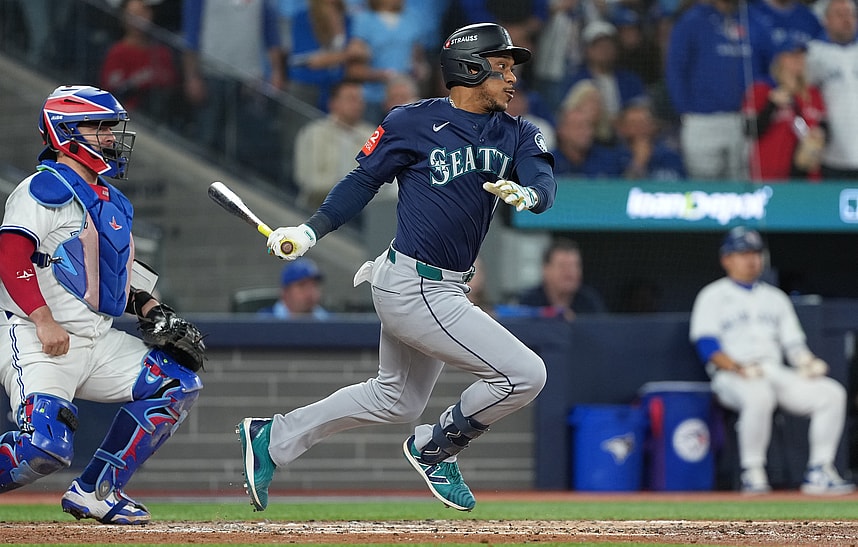
The concern, however, lies in the field, where the Mets are essentially hoping for a seamless transition to first base despite Polanco having zero career innings at the position. In 2025, he split his time between second base (287.1 innings) and third base (43.0 innings), but his metrics suggest his range is fading fast. He ranked in the 17th percentile for Range (Outs Above Average) and the 20th percentile for arm strength, painting the picture of a defender who needs to be hidden rather than exposed.
The algorithm hides the best New York Mets news; make sure you pin Empire Sports Media on Google News so you don’t miss a beat.
Embracing the Versatility
Despite the statistical red flags, Polanco insists that this shift is not as abrupt as it seems, revealing that the groundwork was laid before he even arrived in New York.
“The conversations with the Mets were pretty easy, as I was already making that transition starting last year when I was in Seattle,” Polanco said regarding his defensive evolution. “So that was a pretty easy conversation for me to have, especially since I was offering my services to teams as a first baseman, second baseman and third baseman. So when the Mets asked if I was able to do that – play a little bit of first, play a little bit of third, I was definitely willing to do that.”
A Calculated Risk to Balance the Books
Ultimately, the Mets are wagering that Polanco’s bat will outweigh any growing pains he experiences while learning the intricacies of first base.
Replacing a lackluster defensive first baseman in Alonso with another question mark might be a wash on the scorecard, but the savings allowed the team to allocate resources elsewhere. If Polanco can replicate his 26-homer output while providing adequate fielding, this $40 million gamble will look like a shrewd piece of business for a team trying to remain competitive without breaking the bank.

More about:New York Mets
