
 Alexander Wilson
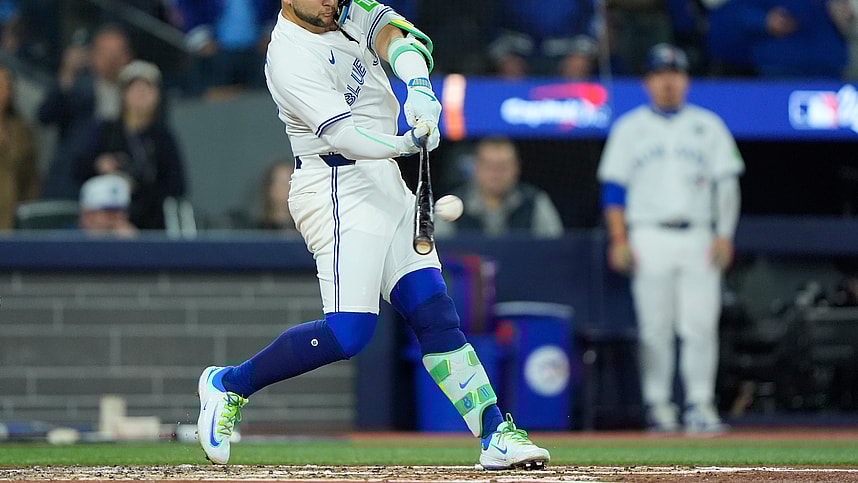
When the New York Mets handed Bo Bichette a three-year, $126 million contract, the narrative was simple: the team needed more offense, and third base was a spot they were willing to sacrifice. Bichette was the best bat left to fill the void. But if you think this was the grand plan all along, you are giving the front office too much credit for foresight and not enough for scrambling.
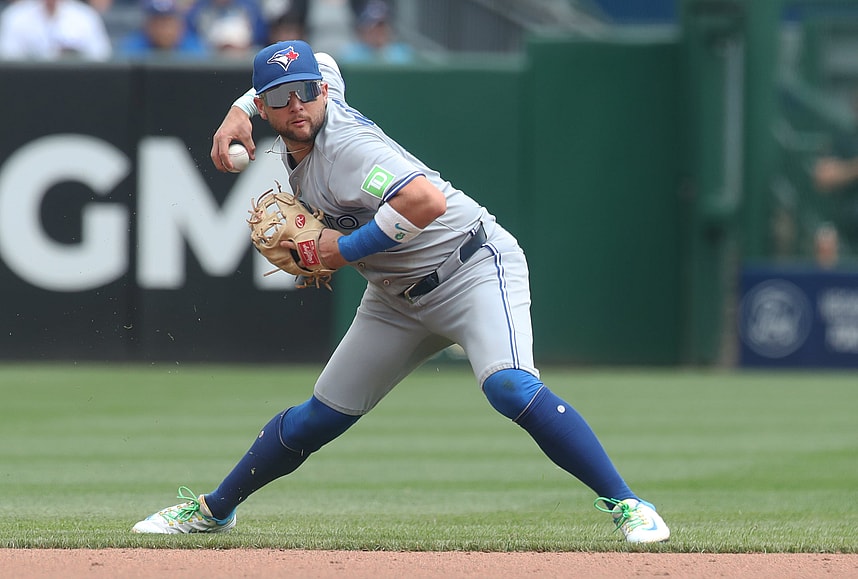
According to Will Sammon of The Athletic, David Stearns initially had a completely different vision for the former Blue Jays star, one that would have seen him turning double plays up the middle rather than guarding the hot corner.
It turns out that long before the ink dried on this deal, the Mets viewed Bichette as their solution at second base. It’s a fascinating “what if” that peels back the curtain on a chaotic offseason in Queens.
“Here’s another telling, previously untold thing about those talks way back at the GM Meetings between the Mets and Bichette: New York first approached the then-free agent, league sources said, about playing second base.”
The Kyle Tucker Whiff Forced a Massive Pivot
The dominoes here are fascinating. The Mets only circled back to Bichette as a third baseman after the offseason took a sharp left turn. They went out and acquired Marcus Semien from the Texas Rangers to lock down second base, and then swung and missed on superstar outfielder Kyle Tucker.
Suddenly, the lineup needed punch, and the infield needed a body. That forced Stearns to pivot back to Bichette, but with second base occupied by Semien, the only spot left was third. I’m compelled to worry about this transition. Bichette isn’t exactly known for having a howitzer attached to his right shoulder, and asking him to make the long throw across the diamond is a legitimate gamble. Sure, the lack of range required at third helps him, but learning a new position in the pressure cooker of New York is a tall order.
Stearns Dodged a Bullet by Avoiding the “Stopgaps”
Thank the baseball gods that Stearns didn’t settle for the other options on his list. The alternatives to landing a star like Bichette were frankly depressing. The team reportedly considered “sacrificing offense” to hand the job to prospect Luisangel Acuña—who they wisely traded away—or signing a utility man like Isiah Kiner-Falefa.
“Among the other possibilities, according to people briefed on the Mets’ plans: sacrificing offense and giving the runway to Luisangel Acuña (whom they later traded) or signing Isiah Kiner-Falefa (who remains a free agent). Sticking with McNeil was never going to be the answer at second base.”
We can debate the defensive fit of Bichette at third all day, but offensively, there is no comparison. Stearns chose star power over mediocrity, deciding that outscoring opponents is a better strategy than praying a stopgap defender can save runs. The Mets might have a bumpy ride defensively early in the season, but I’d take Bichette’s bat in the lineup over a “safe” glove any day of the week.

More about:New York Mets
