
 Alexander Wilson
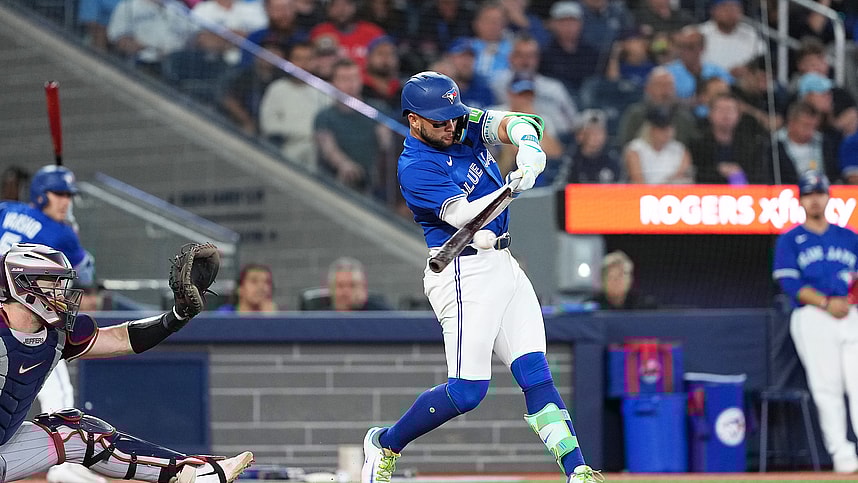
The Mets are perpetually hunting for the kind of offensive firepower that turns good teams into dynasties, and the latest name swirling around Queens is as tantalizing as it is confusing. ESPN’s David Schoenfield recently connected the Mets to free-agent shortstop Bo Bichette, suggesting that President of Baseball Operations David Stearns could target the 27-year-old hit machine to supercharge the lineup.
The logic is simple: Bichette is a proven contact hitter who fits the “Stearns mold” of buying distressed assets with elite ceilings, but the defensive logistics of this potential marriage are messy enough to give any manager a headache.
Schoenfield argues that Bichette could slide over to the hot corner, a move that would fundamentally reshape the infield. “Bichette’s age — he’s entering his age-28 season — makes him the kind of free agent who might be more attractive to Stearns, although the Mets have their double-play combo set with Francisco Lindor and Semien.
But what about Bichette moving to third? His range at shortstop is subpar anyway, and that was before the knee injury in September. Executives love his high-contact rate that should translate well to October baseball — and he would make for a terrific No. 3 hitter behind Lindor and Soto. Baty would then become trade bait for pitching or outfield help. Don’t sleep on this one.”
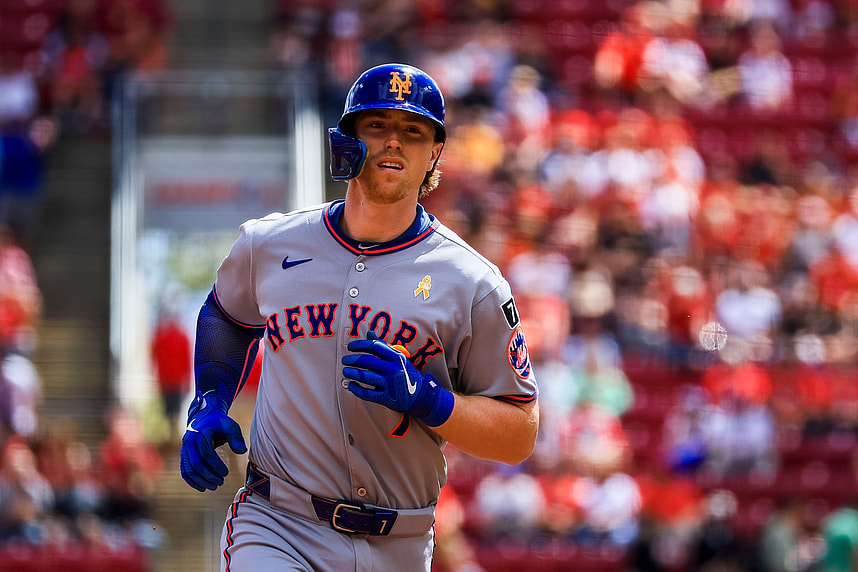
An Offensive Engine That Doesn’t Stall
If you ignore the glove for a moment, adding Bichette to a lineup that already features Francisco Lindor and Juan Soto feels almost unfair. The former Blue Jay is coming off a stellar 2025 campaign where he slashed .311/.357/.483 with 18 home runs and 181 hits, reclaiming his status as one of the premier bat-to-ball talents in the sport. His underlying metrics were absurd, ranking in the 99th percentile for expected batting average (.298) and the 86th percentile for batting run value, proving that his production is sustainable and elite.
The Mets desperate need a hitter who doesn’t strike out in big moments, and Bichette is exactly that, boasting a strikeout rate in the 86th percentile (14.5%). He puts the ball in play relentlessly, a trait that becomes invaluable in the postseason when opposing aces are racking up strikeouts against lesser hitters. Placing him in the three-hole would give the Mets a relentless attack that forces pitchers to throw strikes, creating a nightmare scenario for National League bullpens.
The algorithm hides the best Mets news; make sure you pin Empire Sports Media on Google News so you don’t miss a beat.
The Third Base Experiment Is a Defensive Time Bomb
However, the idea of moving Bichette to third base ignores a glaring weakness in his profile: he simply does not have the arm for it. Bichette’s arm strength ranked in the 36th percentile last season, averaging just 82.3 mph on his throws, a number that is barely passable at shortstop and completely insufficient for the “hot corner” where long throws across the diamond are routine. You cannot hide a weak arm at third base, and asking a player with declining mobility—evidenced by his 1st percentile range (Outs Above Average) and -13 OAA—to learn a new, reaction-heavy position is a recipe for disaster.
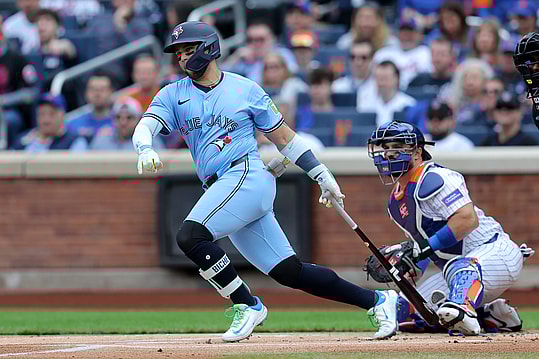
This move would also displace Brett Baty, who, despite his offensive inconsistencies, offers a legitimate defensive profile at third base with a strong arm that Bichette cannot match. Schoenfield suggests Baty becomes “trade bait,” but swapping a natural third baseman for a converted shortstop with bad knees and a noodle arm is the kind of video game logic that gets general managers fired. Bichette profiles much better at second base, but with Marcus Semien already locked in there, the fit in Queens looks like trying to force a square peg into a round hole.
Looking Ahead: A Bat Worth the Headache?
David Stearns has to decide if the offensive upgrade is worth the inevitable defensive regression. Bichette is undoubtedly a better hitter than Baty right now, offering the kind of batting title upside that changes games, but the Mets would be compromising their infield defense significantly.
If the Mets sign Bichette, it will be because they believe they can outscore their own mistakes, betting that 180 hits from their new third baseman will matter more than the throws he can’t make across the diamond.

More about:New York Mets
