
 Andres Chavez

The thing about pitching prospects is everyone loves them until it’s time to actually wait for them. Right now the New York Mets don’t have that problem with Jonah Tong. They’ve built enough rotation depth that patience isn’t a slogan — it’s the strategy.
Tong’s strikeout numbers in the minors weren’t just impressive, they were loud. One hundred seventy-nine punchouts in 113.2 innings tells you hitters weren’t comfortable, weren’t adjusting, and weren’t putting many balls in play with authority. His brief big-league look last year, though messy on the surface, showed something else: the stuff plays, the execution just needs sharpening.
The Mets Don’t Need Him Yet — And That’s The Whole Point
Most teams rush a kid like this because they have to. The Mets don’t. They’ve got enough viable starters that Tong opening in Triple-A isn’t a demotion, it’s insulation.

Inside the organization, nobody’s pretending the first taste of the majors went perfectly. Tong himself admitted as much, and his takeaway sounded more like a veteran’s self-scouting report than a rookie’s excuse.
“I think I learned that if I can execute my pitches, I can put myself in position to get results at that level,” Tong said to John Harper of SNY. “But the other thing I took away is that I need to give myself more options to get big-league hitters out. When I had my pitches working, I felt really confident. But I’m working to add to my repertoire.”
That’s not panic talking. That’s a pitcher who understood immediately what the league was telling him.
Why The Cutter Might Change Everything
According to Harper, the Mets believe Tong’s fastball-changeup combo can be too vertical, which is a problem if he wants to dominate big-league lineups. Hitters at this level solve patterns fast, and a two-lane approach turns predictable in a hurry.
That’s where the cutter comes in. Pitching coach Justin Willard didn’t dress it up when discussing the plan.
“We’re working with him on the ability to land something else in the zone to continue to leverage the four-seamer and the changeup. Those are really good pitches but it also becomes a really simple plan for big-league hitters.”
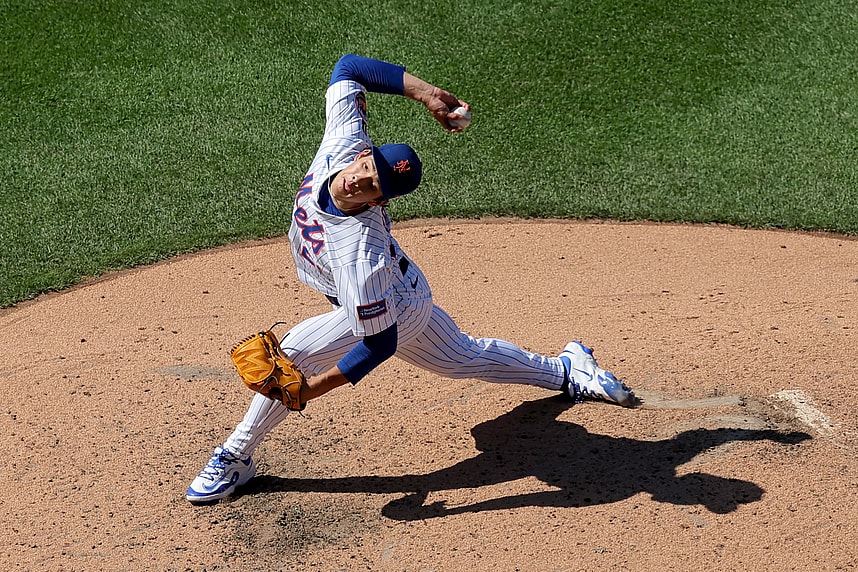
He’s right, and not in a theoretical way. Look across baseball and you’ll see the same story on repeat: once a young starter finds that third weapon he can land early in counts, everything opens up. Fastballs look quicker. Changeups get nastier. Strikeouts pile up.
Tong doesn’t need to reinvent himself. He just needs that one extra pitch to keep hitters from sitting on the vertical attack.
The Mets know it. Tong knows it. The league will figure it out soon enough.
And when injuries hit or innings pile up — because they always do — Tong won’t be showing up as a desperate call-up. He’ll be arriving as a fully sharpened arm with a deeper mix and a clearer plan.
That’s when the waiting stops feeling cautious and starts looking smart.

More about:New York Mets
